
Allure of Tai
鯛尽くし文様 - Tai tsukushi monyo
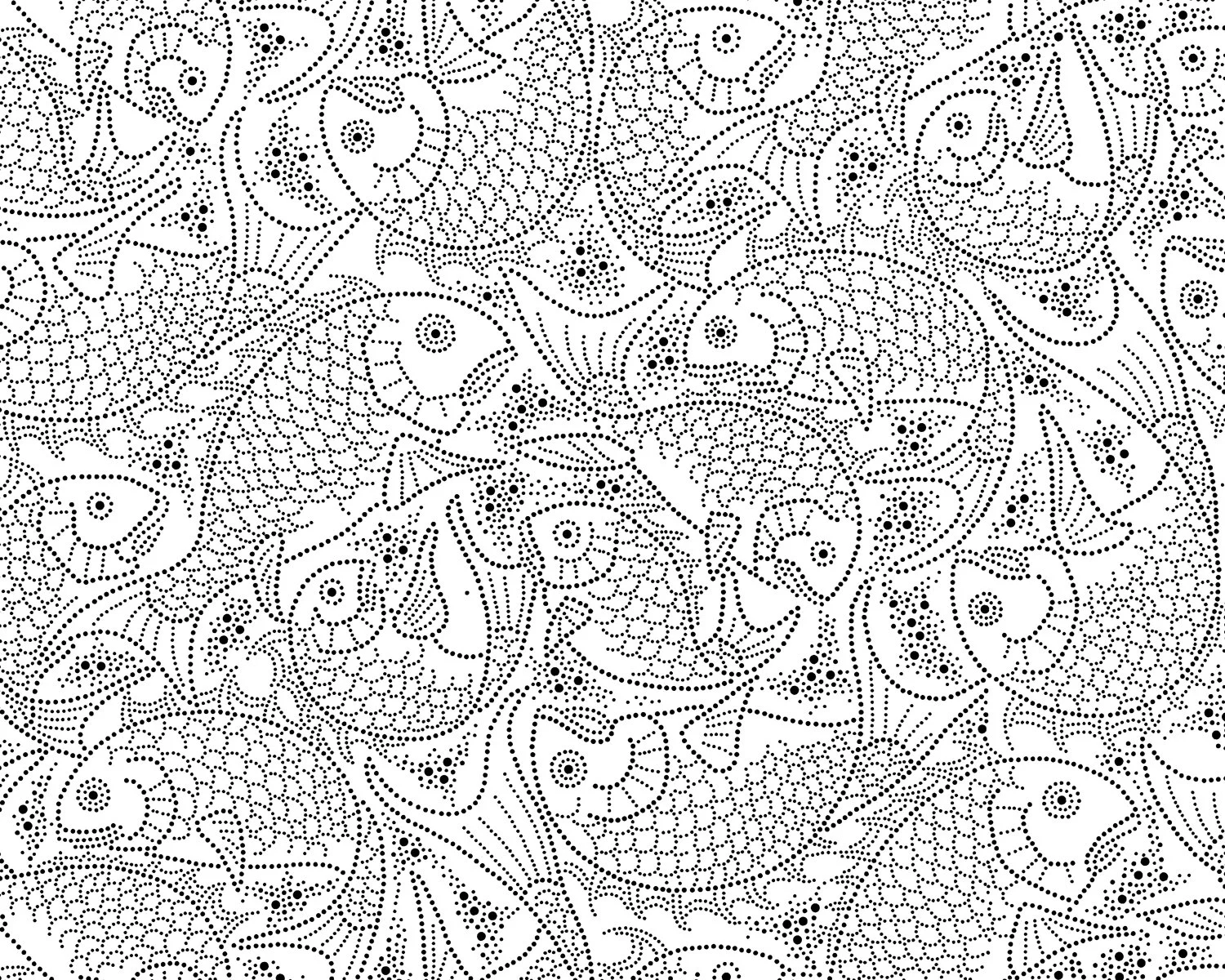
The Story of the Allure of Tai Pattern
The sea bream (tai) has long been cherished in Japan as an auspicious fish, in part because its name echoes the word medetai, meaning “joyous” or “auspicious.” In Japanese tradition, the color red is believed to ward off evil and protect against misfortune, which is why sea bream—known for its vivid red hue—has been a staple at celebratory occasions such as New Year’s feasts and wedding ceremonies.
Since the Heian period, sea bream has held a special place in Japanese culture, prized as a luxury fish served primarily among the nobility. Over time, it came to symbolize wealth and refinement, inspiring its use as a decorative motif in kimonos and ceramics.
Often referred to as the “king of fish” for both its elegant appearance and exceptional flavor, sea bream also gained symbolic significance through the influence of samurai culture. One theory traces this to the Muromachi period, when its sharp fins and sturdy scales were likened to armored warriors. As a result, sea bream was sometimes sent to battlefields as a token of victory and strength. Another belief attributes its rising prestige to the use of the kanji “大位” (taii), meaning “high rank,” further associating the fish with status and honor.
By the mid-Edo period, sea bream motifs had become especially popular in kimono design, worn during festivals and celebratory events. During this time, the fish was frequently depicted in ukiyo-e and nishiki-e prints, spreading its symbolism among the general public. It also appeared in traditional performing arts such as Kabuki, Noh, and Rakugo, further solidifying its cultural presence.
Even as Western influences reshaped design aesthetics in the Meiji era, the sea bream motif endured as a symbol of Japanese tradition. Its association with celebration and good fortune was reaffirmed, and today it continues to appear in kimonos, accessories, gift wrapping, and even fishing flags, where it represents a bountiful catch.
This particular design features a vibrant array of sea bream, embodying prosperity and joy. Its stylized forms not only offer visual delight but also evoke a sense of blessing and good fortune—much like Ebisu, one of the Seven Lucky Gods, who is often depicted holding a sea bream as a symbol of abundance.