
Cherry Blossom Arabesque
八重桜に唐草 - Yaezakura ni karakusa
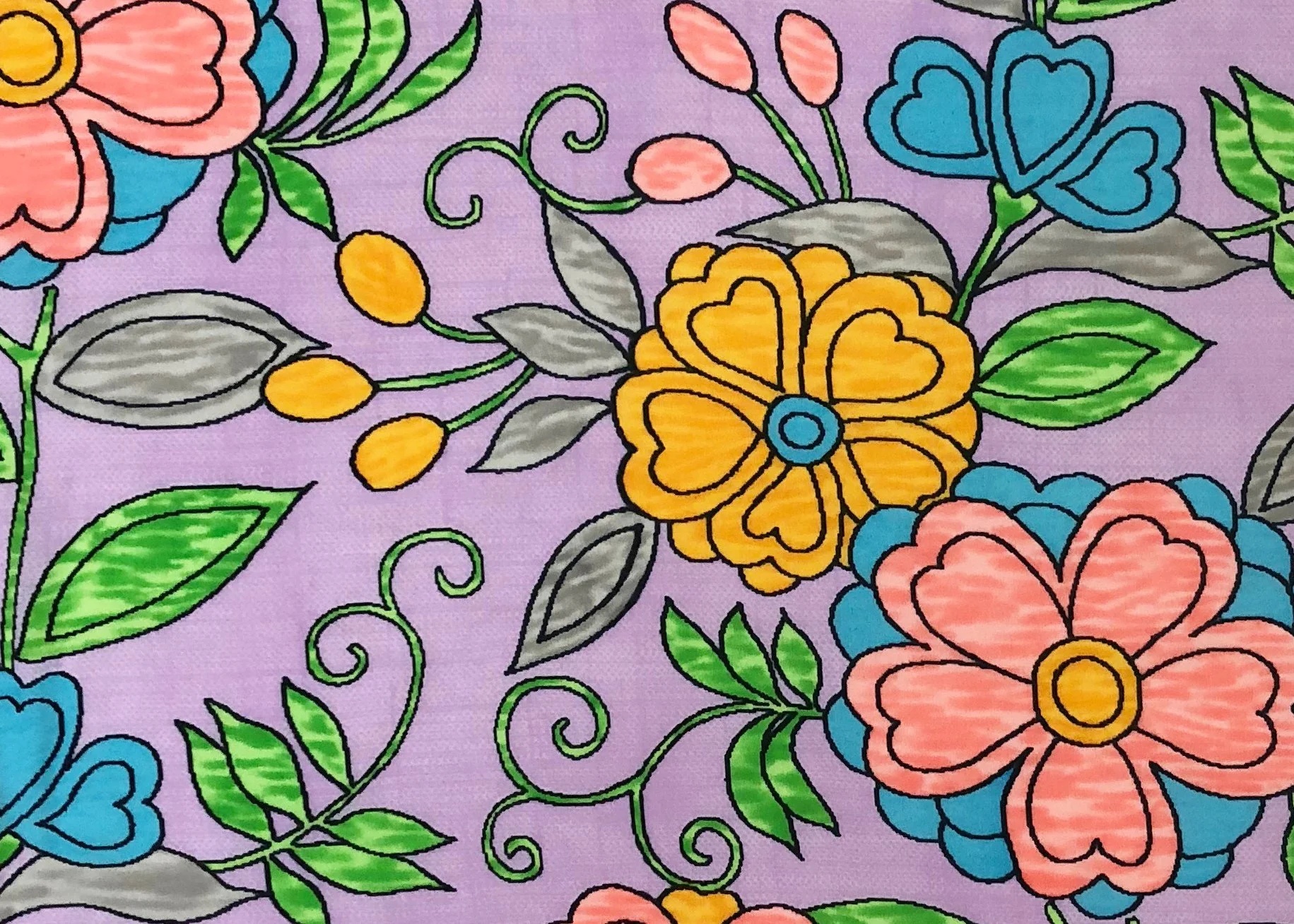
The Story of the Cherry Blossom Arabesque Pattern
Cherry blossoms are considered Japan’s national flower and are one of the most iconic symbols of spring. Among them, the yaezakura—or double-flowered cherry blossoms—are especially admired. These blossoms bloom slightly later than other varieties and are known for their բազմաթիվ layered petals, creating a rich, full appearance. Because of their lush form, they are sometimes likened to peonies, and even a single bloom can feel strikingly luxurious.
One remarkable variety, known as Kenrokuen Kikuzakura, is said to produce flowers with up to 300 petals. The original tree of this kind was designated a natural treasure, and today, it continues to live on through carefully cultivated descendants.
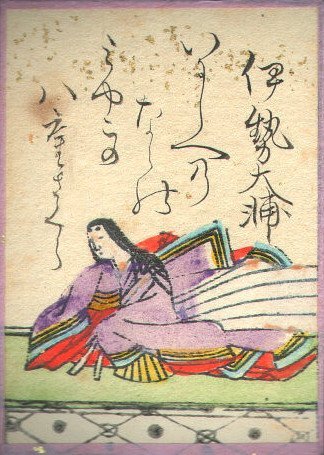
From Wikipedia : Hyakuninishyu
The yaezakura carries meanings such as intelligence, refinement, and gentle elegance. It is also celebrated in classical poetry. One well-known poem appears in the Ogura Hyakunin Isshu, composed by Ise no Tayū:
“From ancient Nara’s capital,
the double cherry blossoms—
today, within the imperial court,
their beauty softly unfolds.”
This poem was composed during the reign of Emperor Ichijo, when a branch of yaezakura from Nara was presented to the imperial court. Ise no Tayū, newly serving the empress, was tasked with receiving the blossoms and composing a poem on the spot.
According to tradition, this role was unexpectedly passed to her—possibly as a challenge—by Murasaki Shikibu. Despite the pressure, she composed a graceful and memorable verse, earning admiration from all present. Her response reflects the very qualities associated with the yaezakura: intelligence, refinement, and poise.
For centuries, cherry blossoms have held deep meaning in Japan, especially for agricultural communities who saw them as a sign of the changing seasons. Among them, the later-blooming yaezakura extends the joy of spring, allowing people to savor its beauty even longer.
The word “yae” (meaning “layered” or “multiple”) also carries a sense of auspiciousness, as the idea of things “layering” or “expanding” suggests growth, happiness, and good fortune.
The arabesque vine pattern depicted alongside the blossoms is an imaginative design rather than a real plant. Its endlessly intertwining vines symbolize vitality, continuity, and limitless growth, representing wishes for longevity and prosperity across generations.
Together, this design expresses the gentle beauty of yaezakura—announcing the arrival of spring and prolonging its joy. Combined with the flowing vine motif, it conveys a sense of expanding happiness and enduring prosperity, making it a truly auspicious and uplifting pattern.