
Hundred flowers with Lion
百花に獅子 - Hyakka ni Shishi
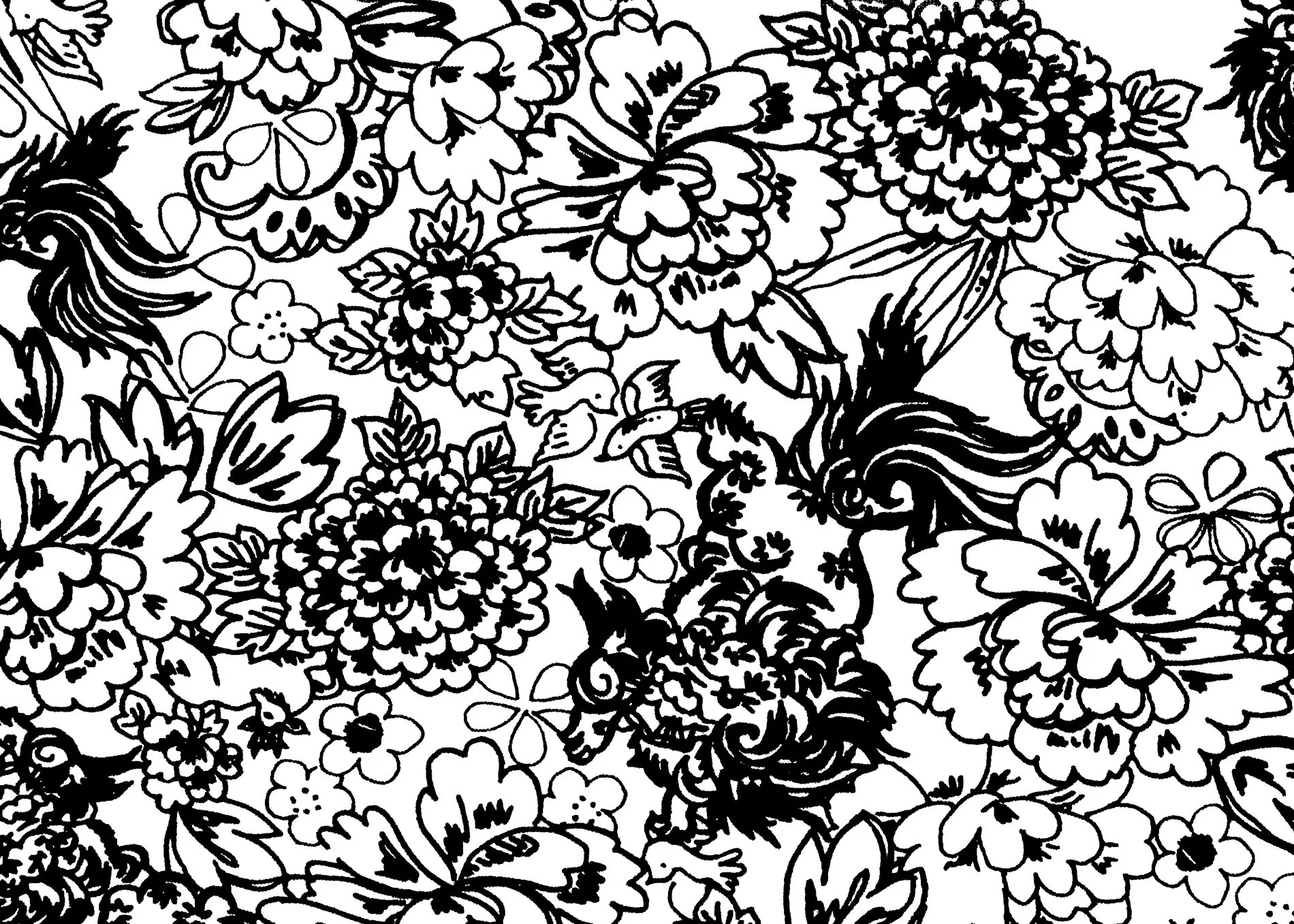
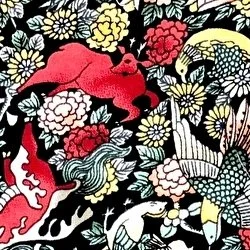
The Story of the Hundred flowers with Lion Pattern
This pattern is a modern reinterpretation of Pagong’s classic designs, newly illustrated by a contemporary designer. It captures Pagong’s traditional motifs through an entirely fresh and pop-inspired sensibility, offering a new perspective on Yuzen-style patterns.
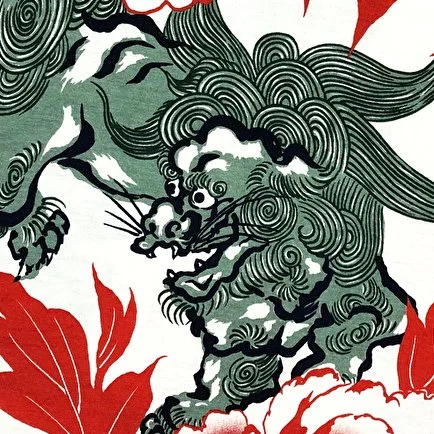
Guardian Beast and Royal Peony
This motif originates from the Noh play Shakkyo (“The Stone Bridge”). Combining the lion, known as the king of beasts, with the peony, the king of flowers, it is considered an especially powerful symbol of strength and good fortune.
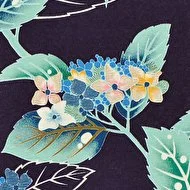
Hydrangea
Hydrangeas are mentioned in the Man'yōshū. With their many-layered blossoms, they symbolize a wish that loved ones may flourish and prosper endlessly, just like the flowers themselves.
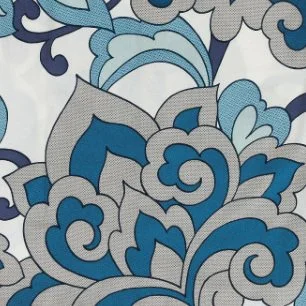
Floral Arabesque
Although not based on a real plant, this flowing vine pattern represents vitality and continuous growth. Its endlessly extending tendrils symbolize longevity, prosperity, and the flourishing of future generations.
Animal Chintz
Animal motifs in sarasa designs have been depicted by various cultures since ancient times. Originally inspired by animal worship, ritual prayers, and hunting commemorations, these motifs evolved into decorative patterns. The deer is regarded as a symbol of longevity and is revered as a divine messenger at shrines such as Kasuga Taisha and Itsukushima Shrine. The dove, widely recognized as a symbol of peace, was also honored among warrior families as a messenger of Hachiman, the god of war.
Bringing together powerful symbols of fortune, wishes for the happiness of loved ones, prayers for long life, and hopes for peace, this design carries a generous and uplifting spirit.
Wear it with joy—and perhaps a little bit of luck will follow.