 Image 1 of 24
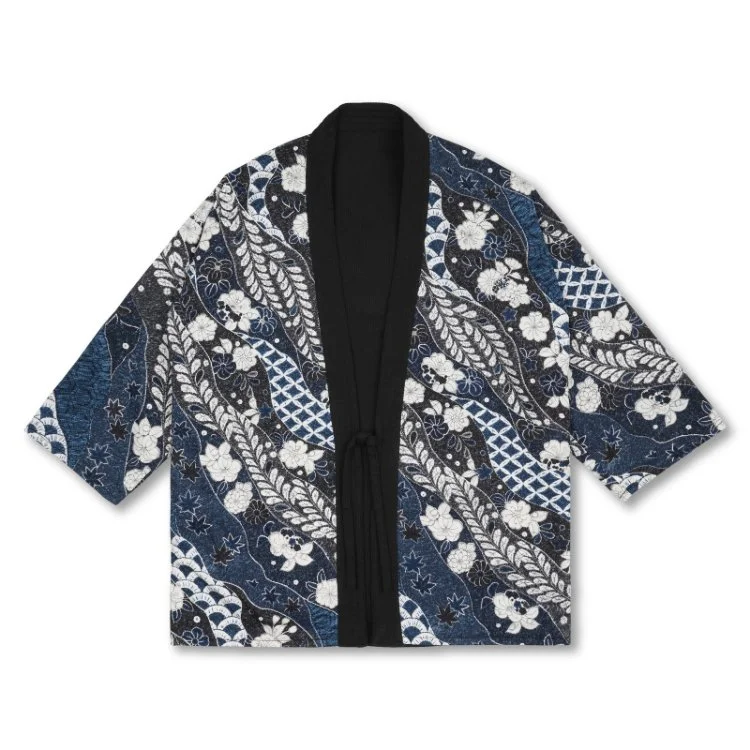 Image 2 of 24
 Image 3 of 24
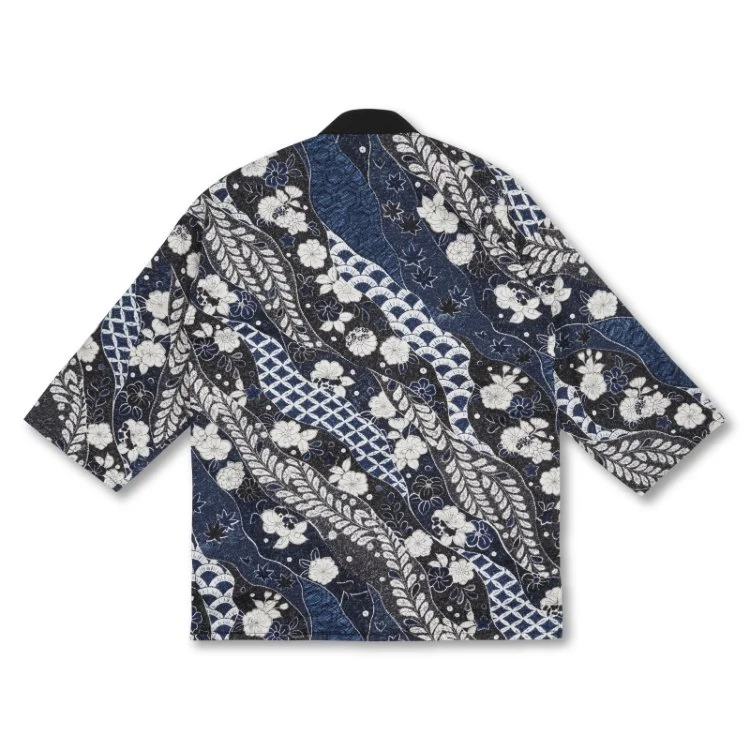 Image 4 of 24
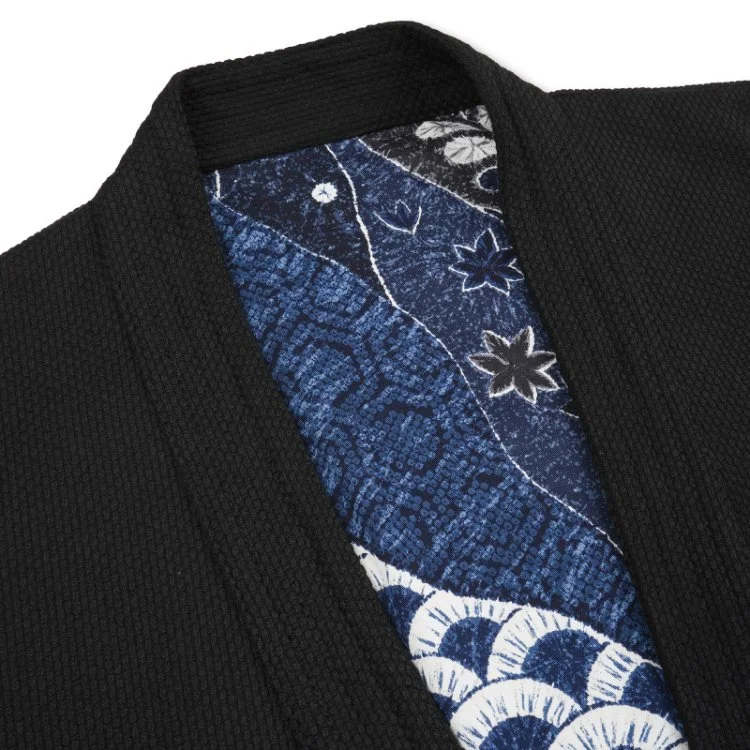 Image 5 of 24
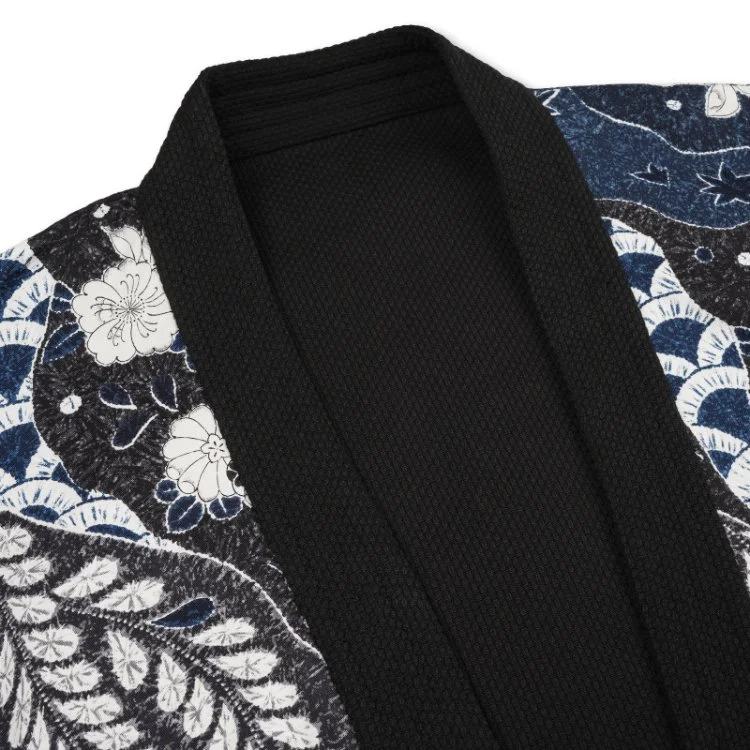 Image 6 of 24
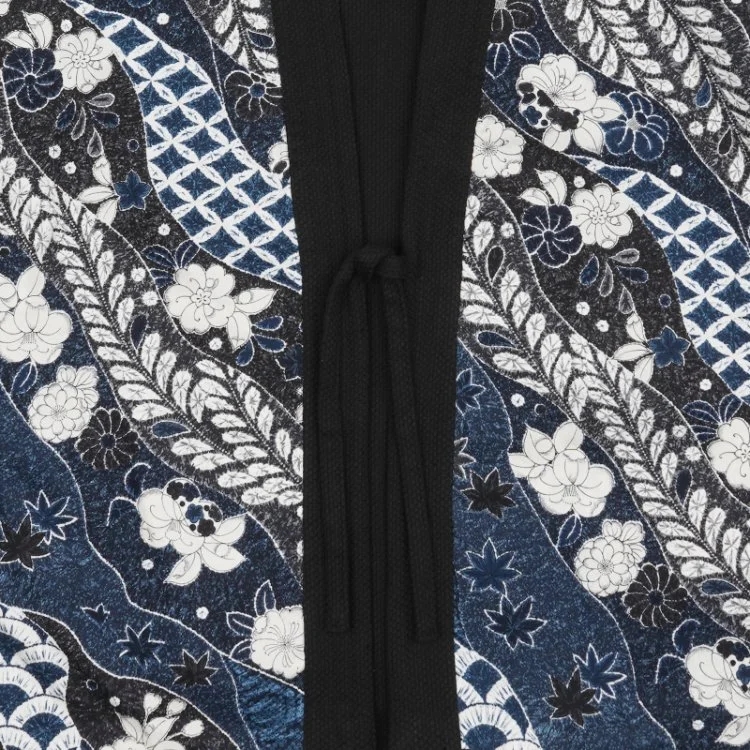 Image 7 of 24
 Image 8 of 24
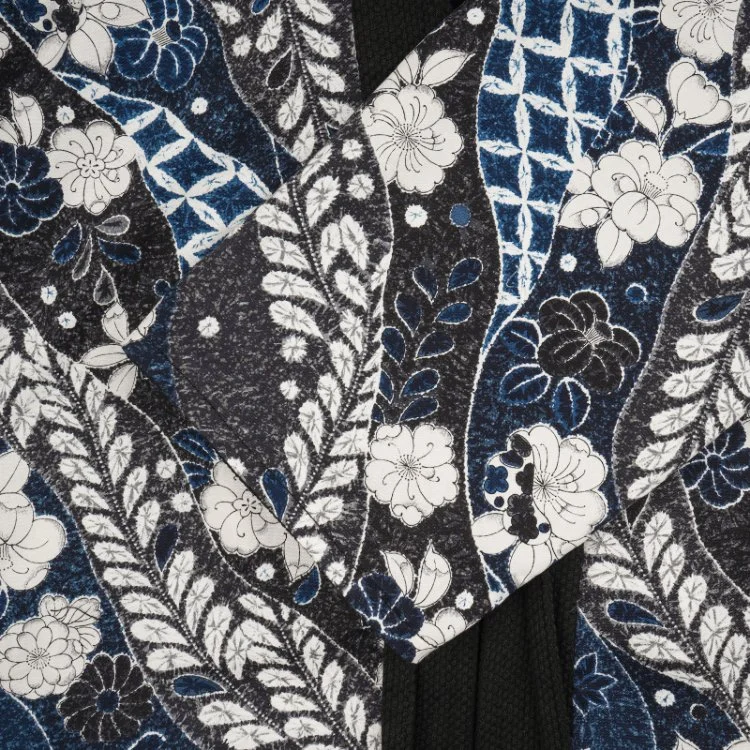 Image 9 of 24
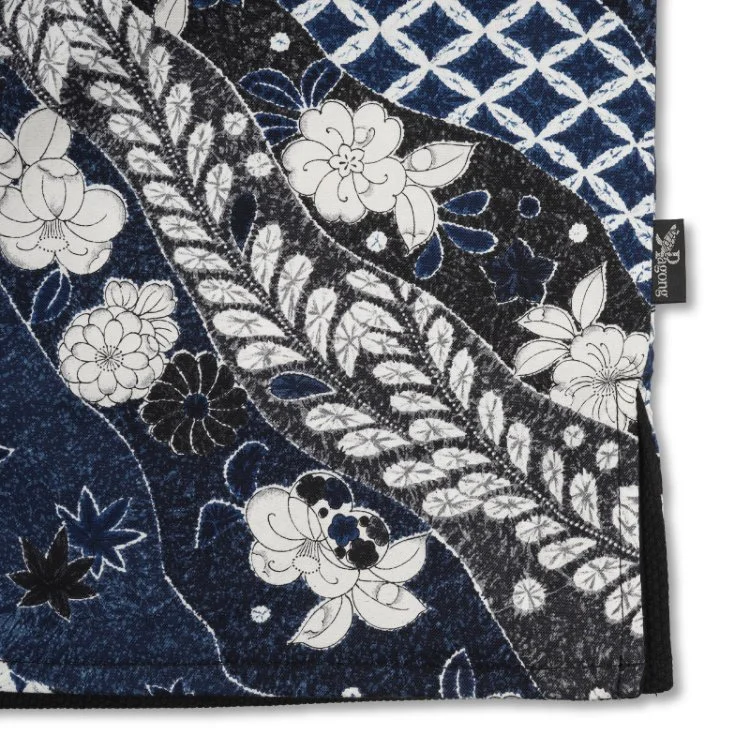 Image 10 of 24
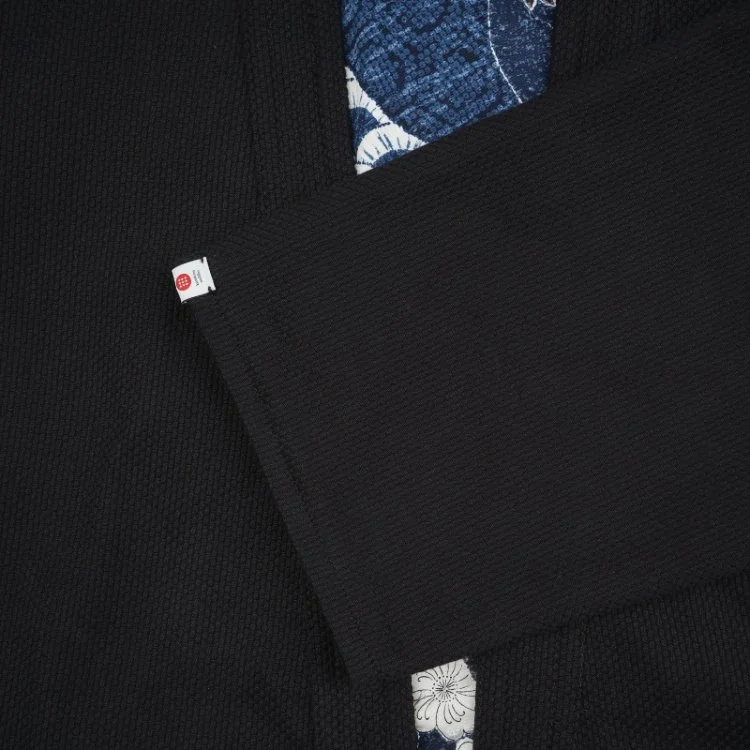 Image 11 of 24
 Image 12 of 24
 Image 13 of 24
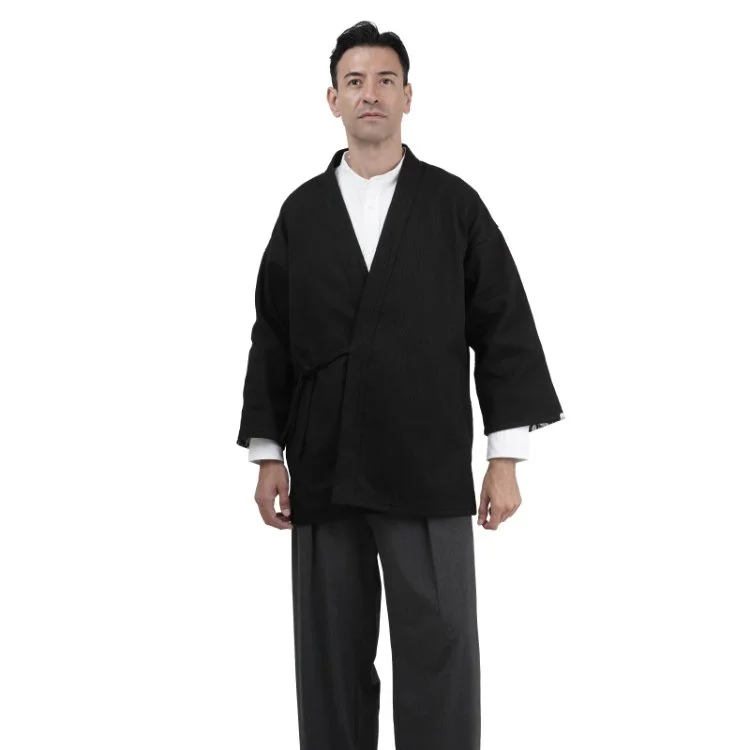 Image 14 of 24
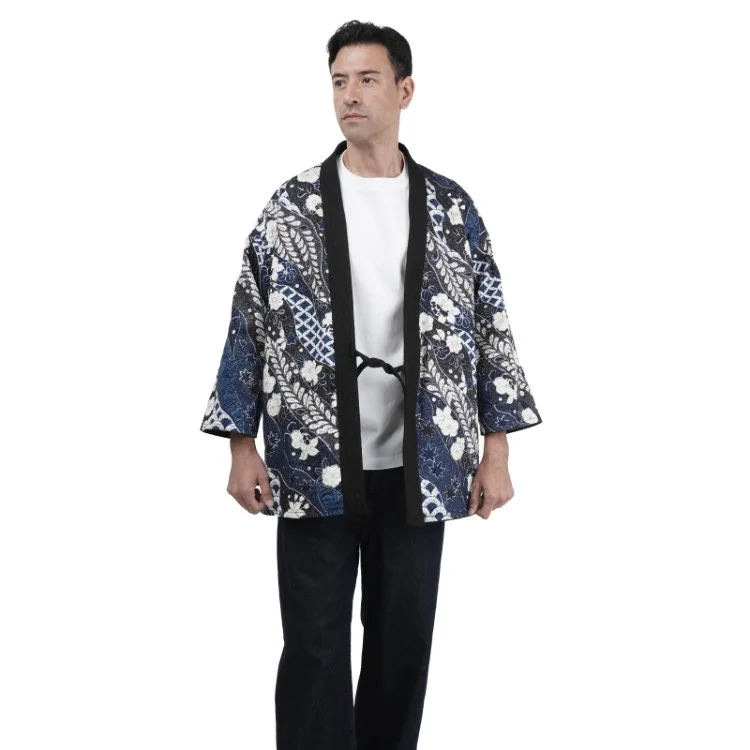 Image 15 of 24
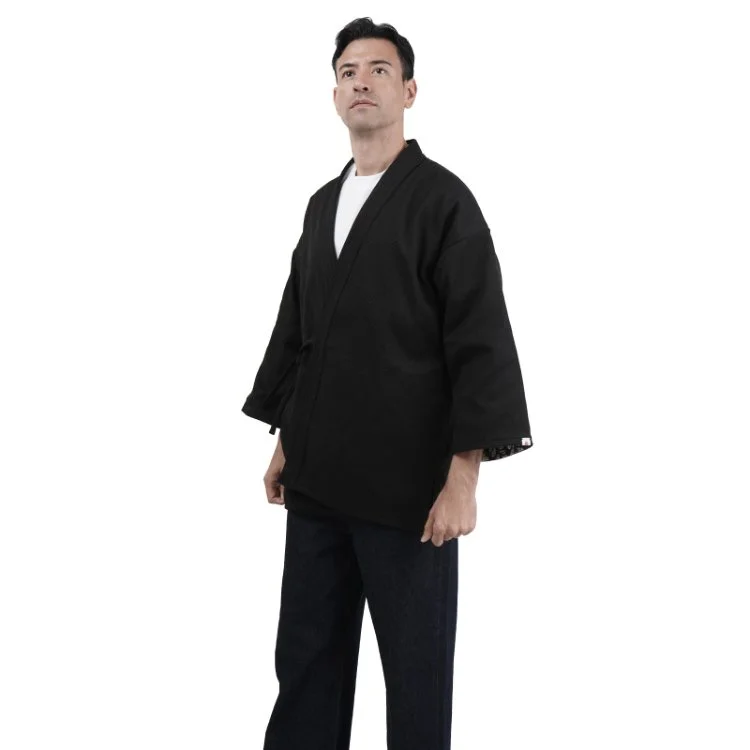 Image 16 of 24
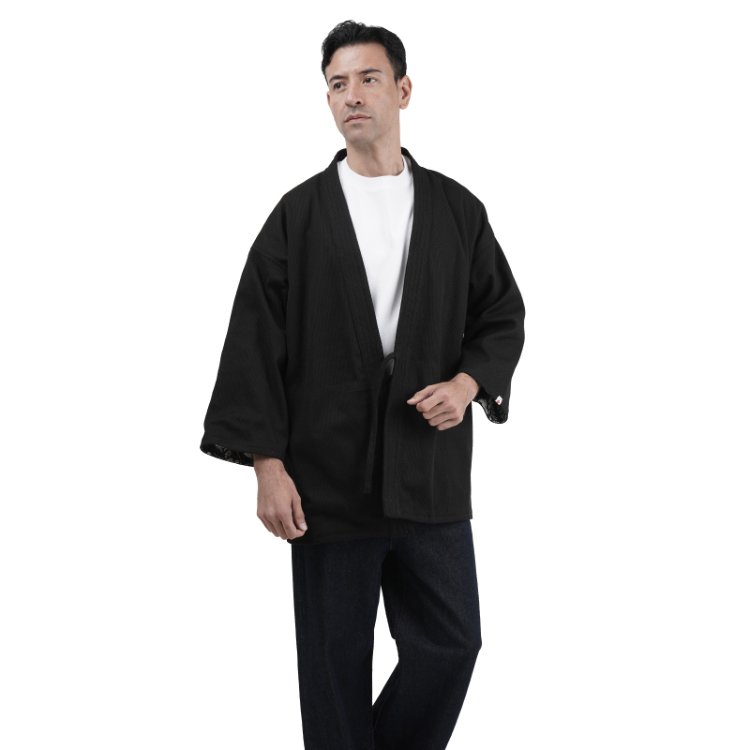 Image 17 of 24
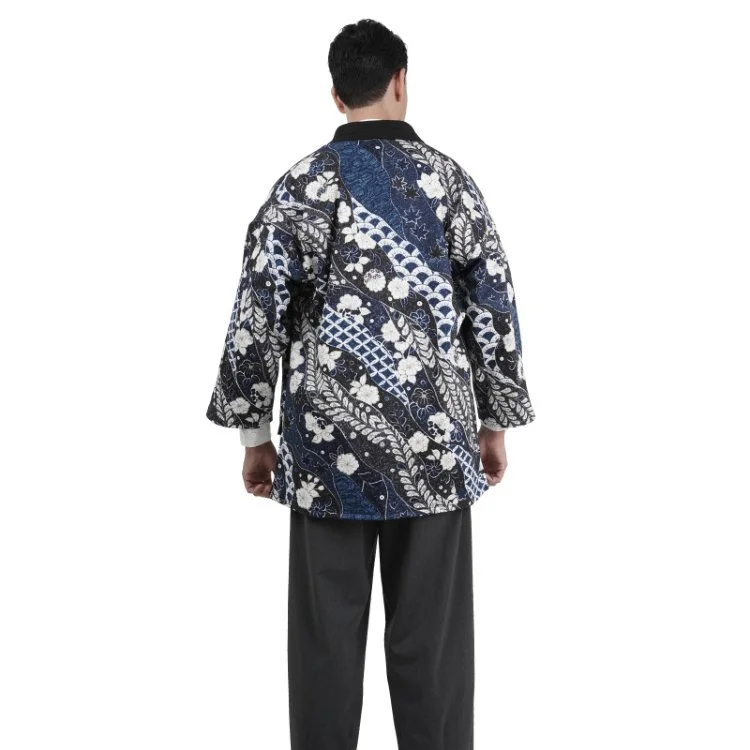 Image 18 of 24
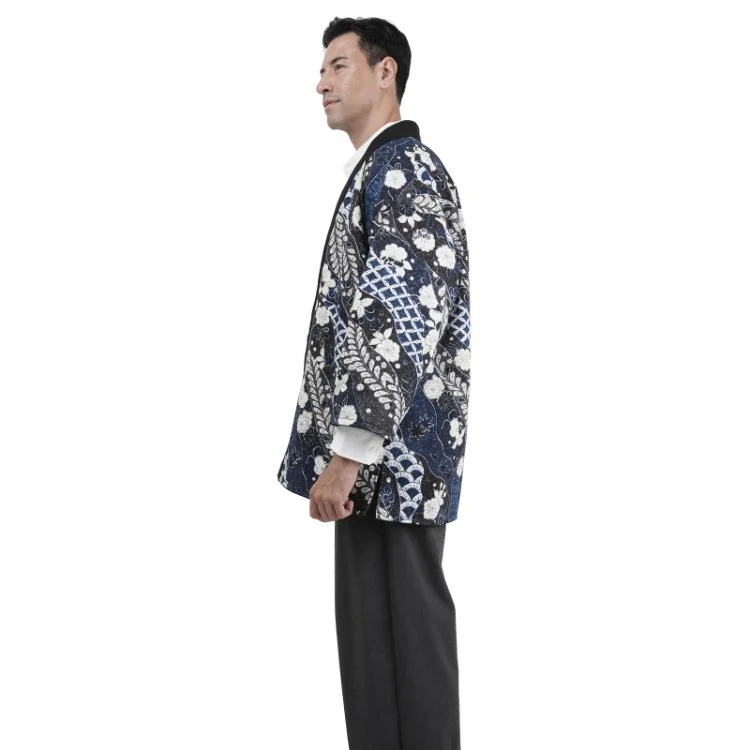 Image 19 of 24
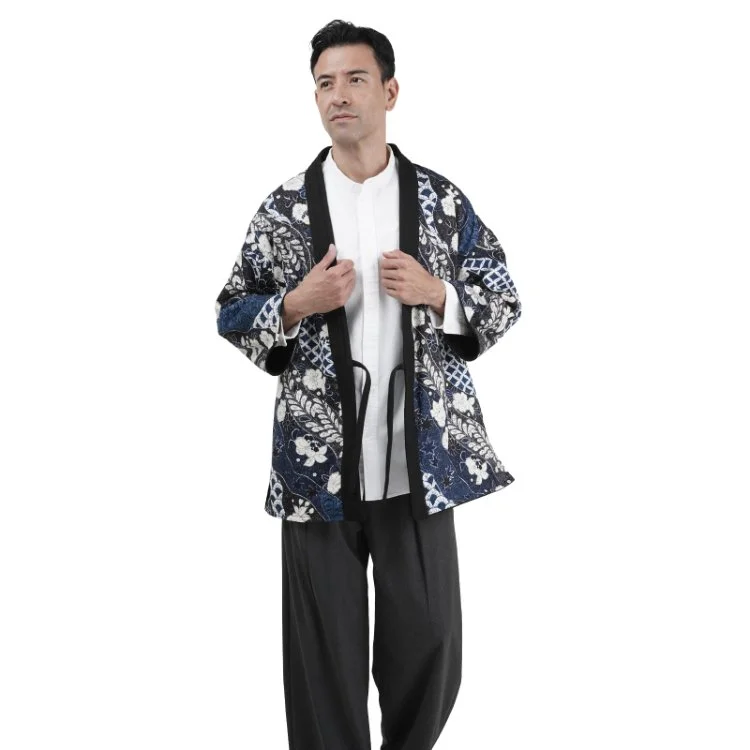 Image 20 of 24
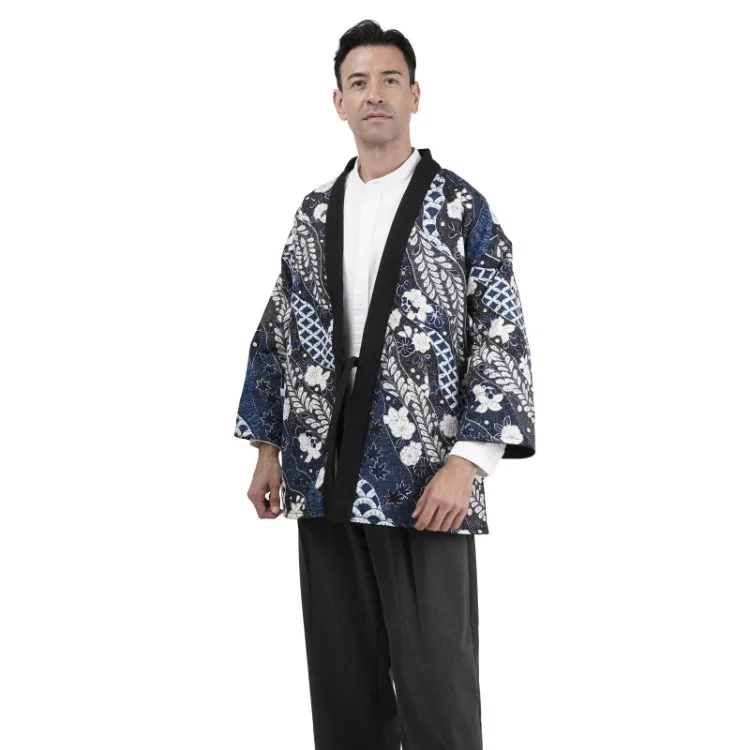 Image 21 of 24
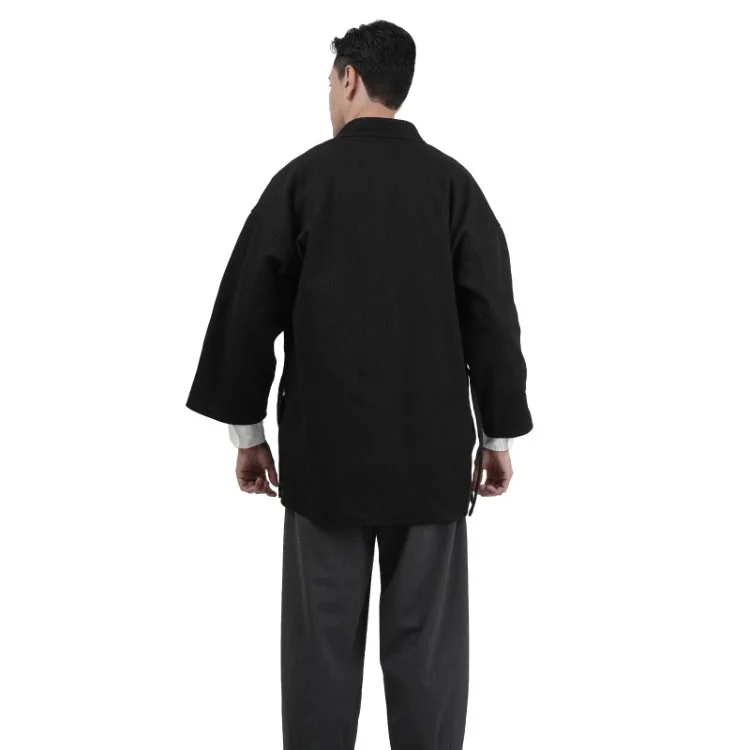 Image 22 of 24
 Image 23 of 24
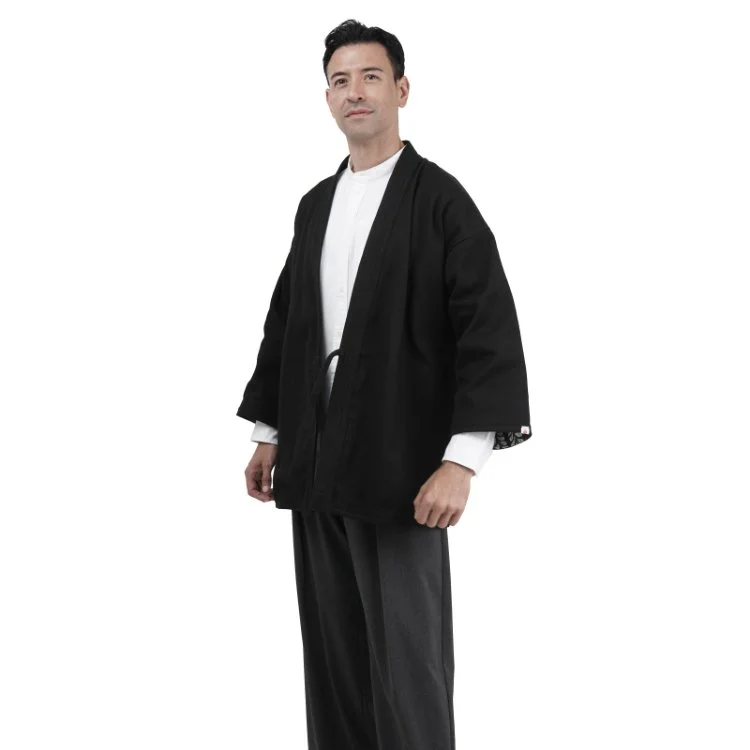 Image 24 of 24

This special piece is the result of a collaboration between Kyusakura, a martial arts equipment manufacturer founded in 1918, and Kameda Tomizome Factory (Pagong), a Kyoto-based atelier with roots in the Taisho era, originally established for hand-printing traditional Kyoto Yuzen textiles.
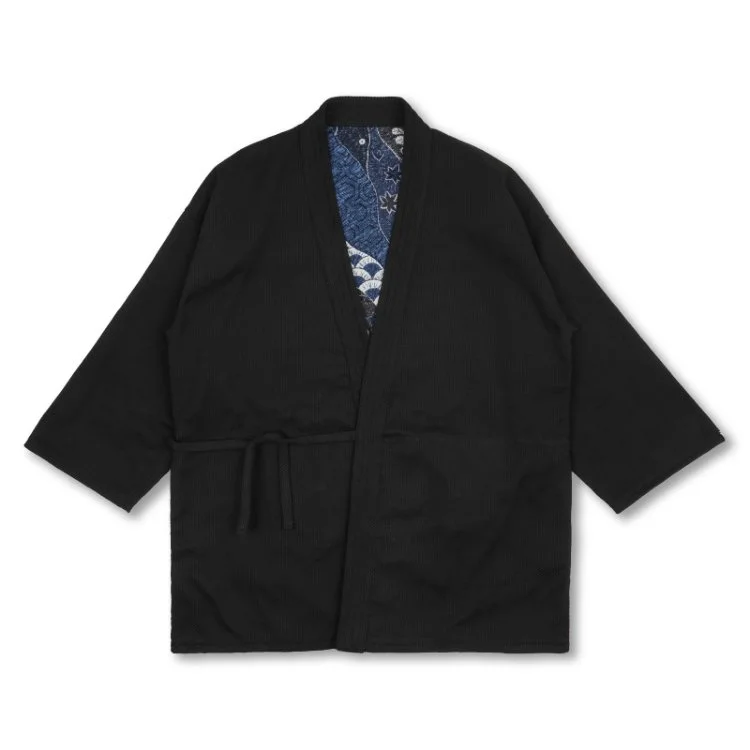
Sashiko fabric, historically used for firefighters’ uniforms during the Edo period, was valued for its durability and protective qualities. It is said that after extinguishing fires, firefighters would turn their garments inside out to reveal decorative patterns as they returned home—reflecting the refined sense of style characteristic of Edo culture.
Today, sashiko continues to be used in martial arts uniforms such as judo and kendo. The fabric is known not only for its strength but also for its ability to soften over time, developing a rich texture with wear.
Like Pagong, Kyusakura has a history spanning over a century and is recognized as one of Japan’s leading manufacturers of judo uniforms. Notably, the brand supplied uniforms to the Japanese team at the 1964 Tokyo Olympics, when judo was first introduced as an official Olympic sport. Since then, Kyusakura has been trusted by top athletes and national teams worldwide.
Kyusakura continues to weave its sashiko fabric in-house, preserving the tradition and craftsmanship of this unique textile. Through its “Kusakura Sashiko” project, the brand shares the cultural value of sashiko in new and evolving forms.
This collaboration brings together heritage, craftsmanship, and contemporary design. With its reversible construction, the garment offers versatility while embodying the enduring spirit of Japanese textile culture.