
Miyako Odori
都をどり
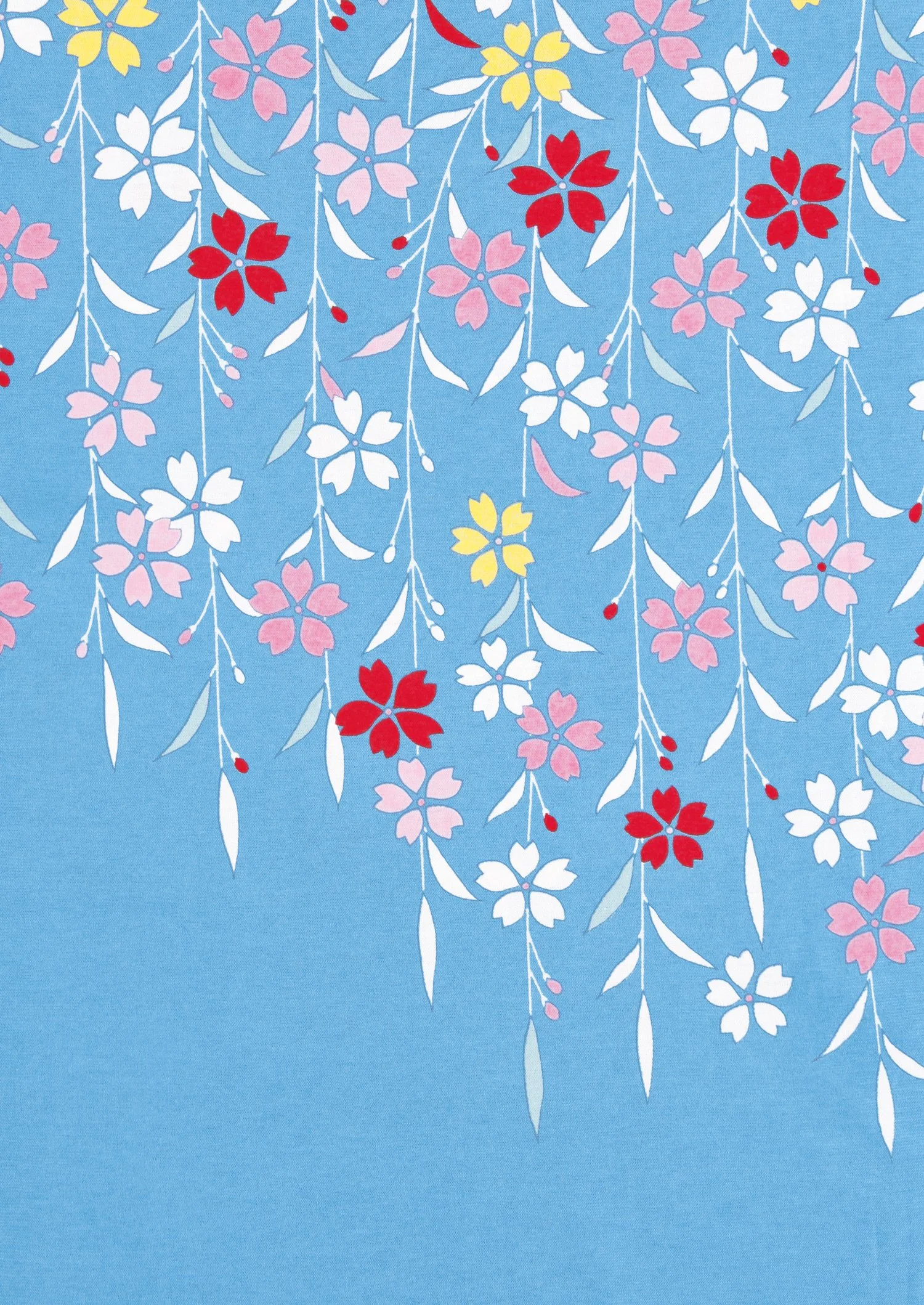
The Story of the Miyako Odori Pattern
The Miyako Odori, beginning with the spirited call of “Yoiyasaa,” is a beloved symbol of spring in Kyoto.
This season, a special collaboration between Miyako Odori and Pagong has come to life.
Miyako Odori is an annual performance in which the geiko and maiko of Gion Kobu present the refined dances they have honed over many years. Among its highlights is the “Sō Odori,” a grand group performance where geiko and maiko appear together in coordinated kimono and obi.
The weeping cherry blossom pattern worn during the Sō Odori has now been recreated in Pagong’s Aloha shirts and cut-and-sew tops, with official permission from the Gion Kobu Kabukai. This design is a treasured motif with deep roots in the cultural heritage of Kyoto’s geisha districts.
The weeping cherry blossom not only represents the beauty of spring in Kyoto, but also carries the meaning of a shrine crest, symbolizing one’s connection as a parishioner of Yasaka Shrine. For this reason, the same design has been used consistently in these costumes year after year.
Immerse yourself in the refined and graceful atmosphere of Kyoto.
For people of ancient times, cherry blossoms were more than objects of beauty—they served as a way to divine the success or failure of the year’s harvest. Trees with drooping branches, in particular, were believed to be inhabited by divine spirits.
In the third month of the lunar calendar, when epidemics were thought to spread as the blossoms fell, a ritual known as the Chinkasai (also called Hanashizume no Matsuri) was held at shrines. This ceremony is said to have originated in the imperial court as a rite to appease the deities of plague, including those enshrined at Omiwa Shrine and Sai Shrine in Nara.
As this ritual tradition spread to Kyoto and Shiga, the name “Hanashizume” gradually evolved into “Yasurai.” Today, this legacy continues in the solemn Yasurai Festival, still held at Imamiya Shrine.