
Happy New Year!
Happy New Year of the Dragon to All!
Akemashite Omedetou Gozaimasu!
Let the spirit of love gently fill our hearts and homes this New Year 2024. We have some exciting plans for the upcoming year. Happy new year to you and and your family!

Make 2024 Extra Special Wearing Pagong's Dragons!


Color / Kyoto ”Matcha” Green Size Chart Care Instruction
Japanese name/ 菊花と龍 (Kikka to Ryu)
-About-
KIKKA also known as kika or the “chrysanthemum”, was introduced to Japan from China in the Nara-era (710-794).
In Japan, the chrysanthemum has become a royal symbol for the emperor and appears on the Japanese imperial seal.
In the language of flowers, the chrysanthemum carries the symbolic meaning of eternal youth, devoted love, loyalty, longevity, and joy.
In Japanese traditional culture the dragon and the chrysanthemum are firmly rooted in people’s lives through folklore and mythology.
A deity of the sea, the RYU or “dragon” has the ability to transform into a human shape, and is the master of serpents. With his magic jewels he is responsible for the tides, and represents both the perils as well as the bounty of thesea.
His residence is in a palace beneath the sea or in a lake of an extinct volcano. The depths of Lake Biwa, north-east of Kyoto, are often cited as the “home of Ryu”.
・Currency : US Dollar (USD)
・70% Cotton 30% Linen
・Premium Fabric-Made in Japan
・Classic-style Aloha shirt
・Coconut buttons
・Hand-Wash
・Made in Japan

Color / Black and Golden Yellow Size Chart Care Instruction
Japanese name/龍神 (Ryujin)
-About-
A deity of the sea in Japanese mythology, RYUJIN or “Dragon God”, has the powerful capability to transform into a human shape, and is the master of serpents. With his magic jewels he is responsible for the tides, and represents both the perils as well as the bounty of thesea.
Ryujin is one of the eight dragon gods which were originally imported from Indian mythology via China and Korea. His residence is in a palace beneath the sea or in a lake of an extinct volcano. The depths of Lake Biwa, north-east of Kyoto, are often cited as the home of Ryujin.
・Currency : US Dollar (USD)
・70% Cotton / 30% Linen
・Classic-style Aloha shirt
・Coconut buttons
・Wash by hand
・Made in Japan

Color / Red
Size Chart Care Instruction
Japanese name/ 意休の龍 (Ikyu no Ryu)
(Featured in the Edo-era Kabuki drama “Sukeroku Yukari No Edo Zakura”
-About-
On the gorgeous Kabuki stage, the setting from which this pattern was taken, we are transported to feudal Japan, when samurai and bushi still had important roles in the land.
Ikkyu, the main character of this kabuki drama, is wearing the boldly elegant, lavishly embroidered dragon kimono, which “explodes” on stage. Worn with confidence, Ikkyu’s full intention is to distinguish his importance as well as his high ranking. The origin of the exquisite symbols within this costume can be traced all the way back to ancient Chinese mythology.
The five-clawed dragon, considered god-like, is said to have been worn only by nobles. Mythological mountains, clouds, waves and flames, are all freshly represented to signify great wealth, strength, and abundance.
We have been been given official permission to use this extraordinary pattern from the Shochiku Costume Company in Tokyo, to which Pagong has implemented the dye technique of Kyoto Yuzen.
・Currency : US Dollar (USD)
・70% Cotton 30% Linen
・Premium Fabric
・Classic-style Aloha shirt
・Coconut buttons
・Hand-Wash
・Made in Japan
Our Seasonal Selection
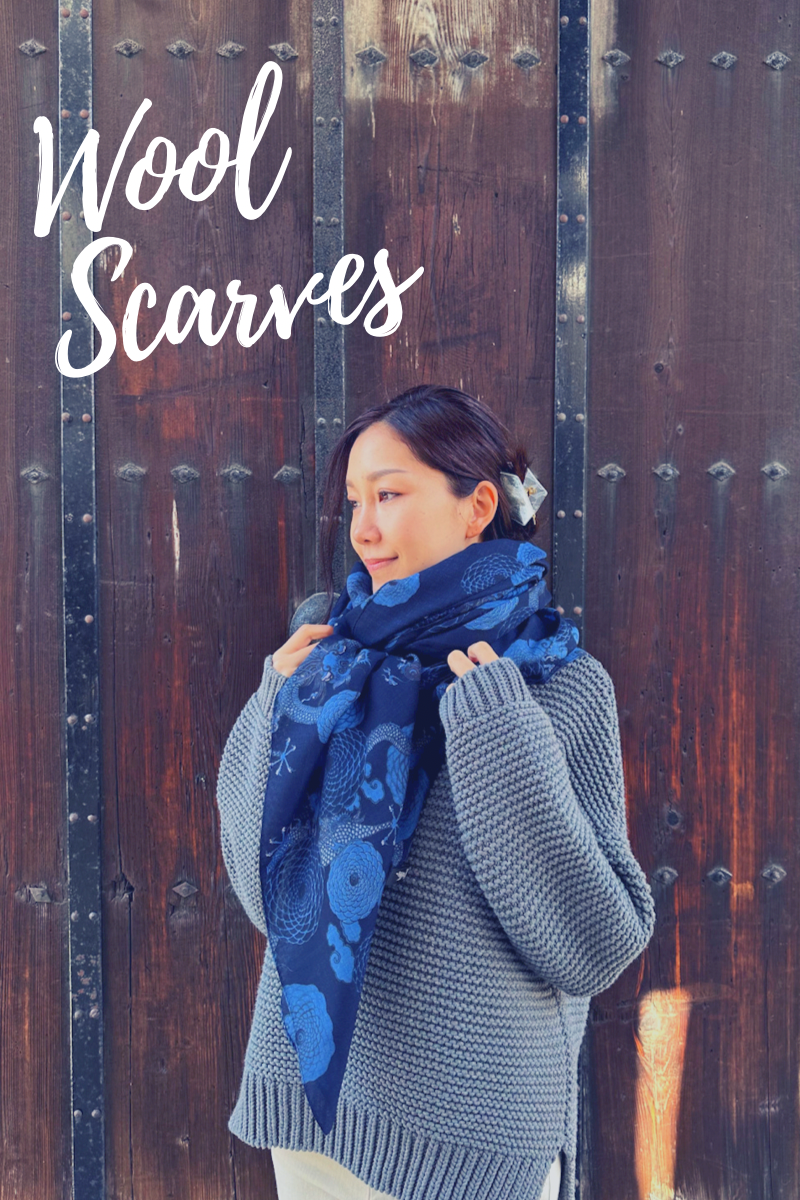

Color / Navy Blue Care Instruction
Japanese name / Kikka to Ryu
-About-
“KIKKA” also known as KIKU, or the chrysanthemum, was introduced to Japan from China in the Nara-era (710-794).
In Japan, the chrysanthemum has become a royal symbol for the emperor and appears on the Japanese imperial seal.
In the language of flowers, the chrysanthemum carries the symbolic meaning of eternal youth, devoted love, loyalty, longevity, and joy.
In Japanese traditional culture the dragon and the chrysanthemum are firmly rooted in people’s lives through folklore and mythology.
A deity of the sea, the RYU or “Dragon” has the ability to transform into a human shape, and is the master of serpents. With his magic jewels he is responsible for the tides, and represents both the perils as well as the bounty of the sea.
His residence is in a palace beneath the sea or in a lake of an extinct volcano. The depths of Lake Biwa, north-east of Kyoto, are often cited as the “home of Ryu”.
・Size 75 x 41 (inches)
100% Wool
・Made in Japan
・Dry-clean
・Currency : US Dollar (USD)

Color / Grey and Multi-color Care Instruction
Japanese name/ 百年の鶴 (Momotose no Tsuru)
-About-
In Japanese mythology, tsuru, or the crane, comes from Mount Horai in heaven, and carries happiness and good luck to earth. Since the crane was believed to live 1,000 years, in Japan it has become a symbol for survival, and long life.
The matsu, or pine, in reality, can live for up to 1,000 years; therefore it also, is a symbol for long life, as well as strength.
The ume, or plum, blooms in the harsh, cold winter; therefore is a symbol for vitality, and life-force.
In 2019, in order to celebrate the 100th Anniversary of our founding company Kamedatomi LTD, this exquisite pattern was especially chosen to represent our sincere wish for everyone:
“One Hundred Years of Happiness, Continued Good Health, and a Long Prosperous Life“.
・Size 75 x 41 (inches)
・100% Wool
・Made in Japan
・Dry-clean
・Currency : US Dollar (USD)

Color / Black, Red and White Care Instruction
Japanese name/ 乱菊 (Rangiku)
-About-
The Japanese chrysanthemum is a symbol of longevity and vitality.Starting from the late Taisho era (1912-1926), more modern and exuberant patterns became fashionable in Japan. This depiction of “dancing” chrysanthemums was made during Japan’s “Art Nouveau Movement”, and became a very popular design for those who wished to represent the fashion style of a new era.~A collaboration with the Hosomi Museum, Kyoto.
・Size 75 x 41 (inches) 100% Wool
・Made in Japan
・Dry-clean
・Currency : US Dollar (USD)
Pagong’s Best Selling Hoodies

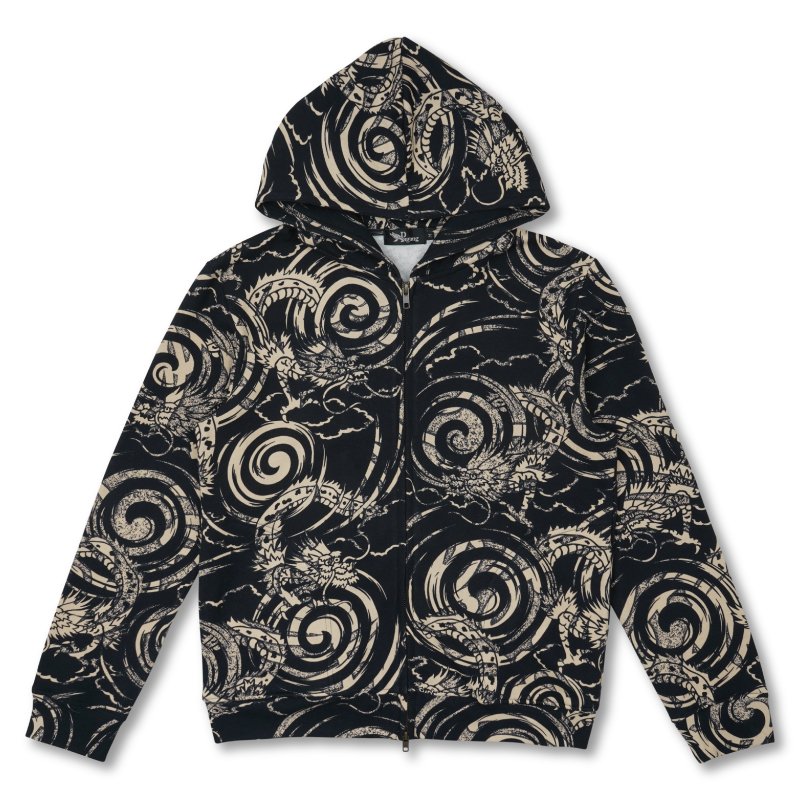
Color / Black Care Instruction
Japanese name/ <龍> RYU
-About-
A deity of the sea in Japanese mythology, RYU or “Dragon God”, has the ability to transform into a human shape, and is the master of serpents. With his magic jewels he is responsible for the tides, and represents both the perils as well as the bounty of the sea.
His residence is in a palace beneath the sea or in a lake of an extinct volcano. The depths of Lake Biwa, north-east of Kyoto, are often cited as the “home of Ryu.”
・100% Cotton
・Made in Japan
・Dye Technique-Kyo-Yuzen
・Hand-wash
・Currency : US Dollar (USD)

Color / Black and Golden Yellow Care Instruction
Japanese name/ 獅子毛唐草 (Shishige Karakusa)
-About-
KARAKUSA or “Lion Arabesque” was born in Egypt, and passed through Persia, Greece, and the “Silk Road” to Japan as did many other exquisite patterns. It first entered Japan as a pattern of Buddhist art, typically seen in the halos of Buddhist images; statues, murals, and in textiles.
The design within the “Lion Arabesque” is actually a plant that doesn't exist. The vines are intertwined and seemingly extend into infinity, showing strong vitality and resilience, making it a symbol of prosperity and longevity. The pattern is often used in fine arts, and it has developed to include even flowers without vines, such as chrysanthemums and plums. During the Edo-era, it was used as an auspicious pattern on kosode (short-sleeve) kimono designs and wedding furniture. Even in modern times, we often see large “wedding cloths” with arabesque patterns joyously covering wedding items, and furoshiki (wrapping cloths) with arabesque patterns used during important ceremonies and formal gift-giving.
・Model Height 6 feet (183cm) Size-M
・100% Cotton
・Made in Japan
・Dye Technique-Kyo-Yuzen
・Hand-wash
・Currency : US Dollar (USD)

We wish you a year filled with prosperity and success. Thank you for being a precious part of our journey.
May the New Year bring you new opportunities and many dreams. Happy 2024!
-Pagong Kyoto Family


