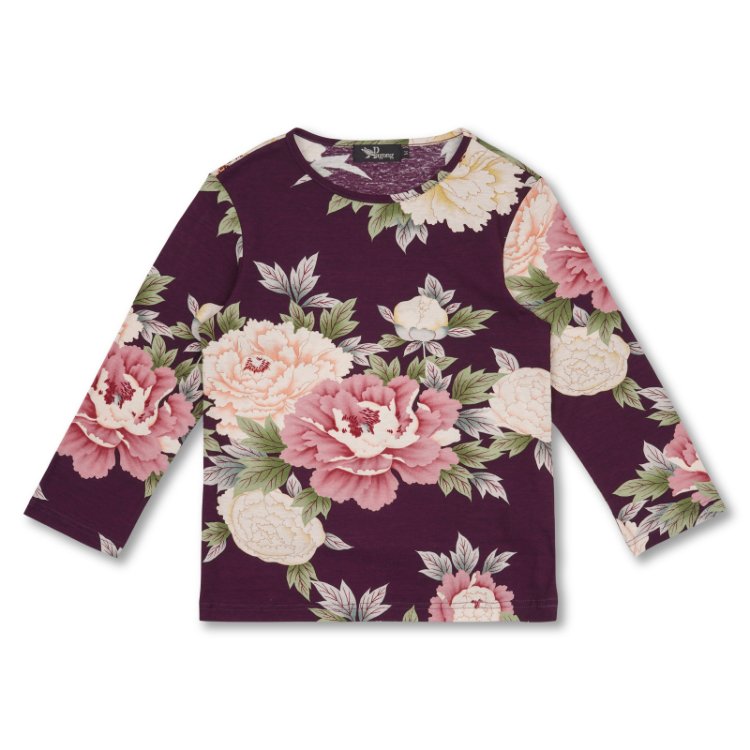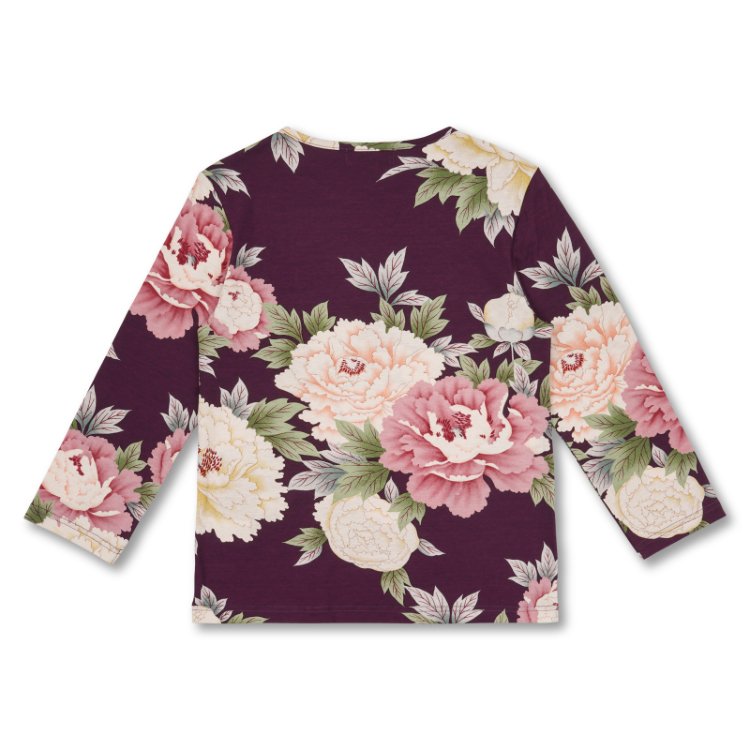
New Release : Cotten Quarter-sleeve Tee
Spring is finally here.
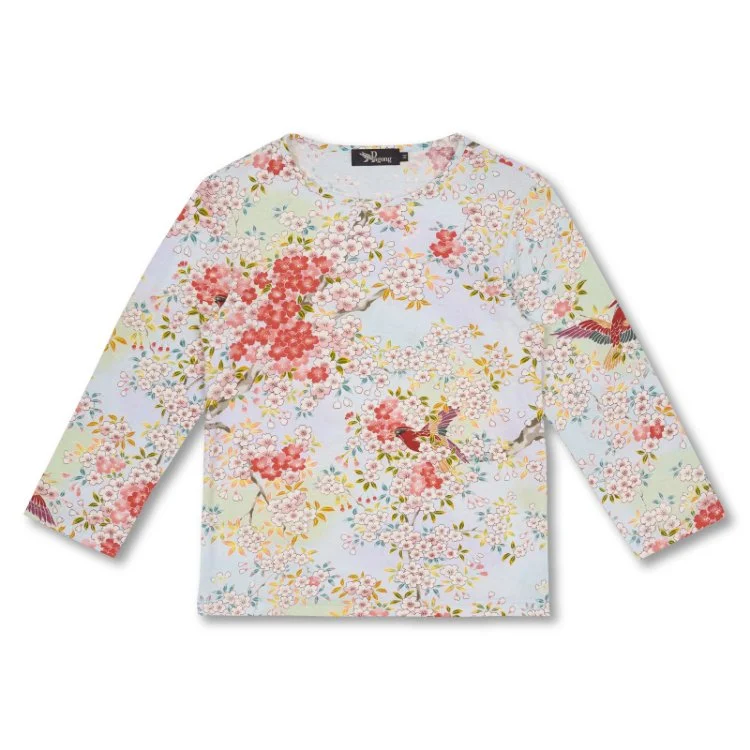
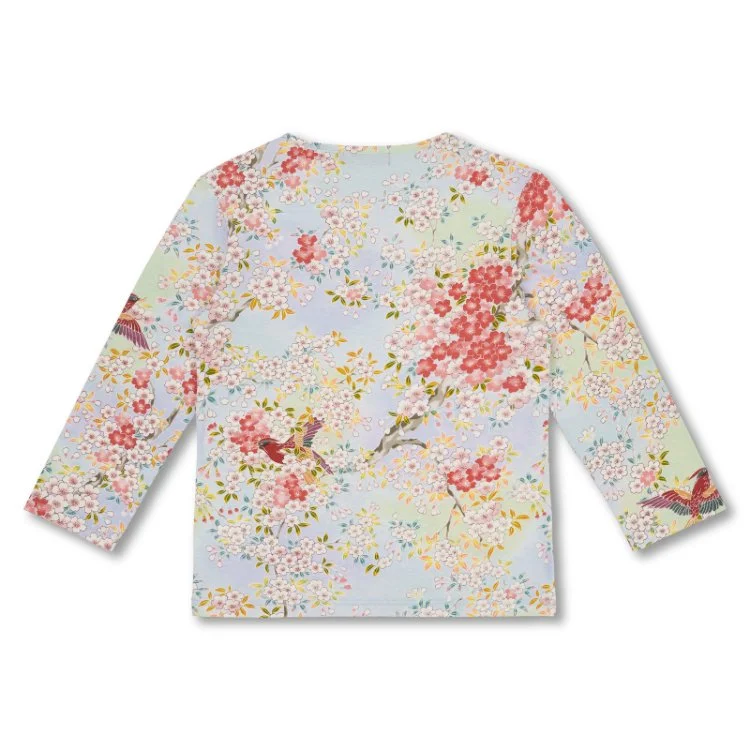
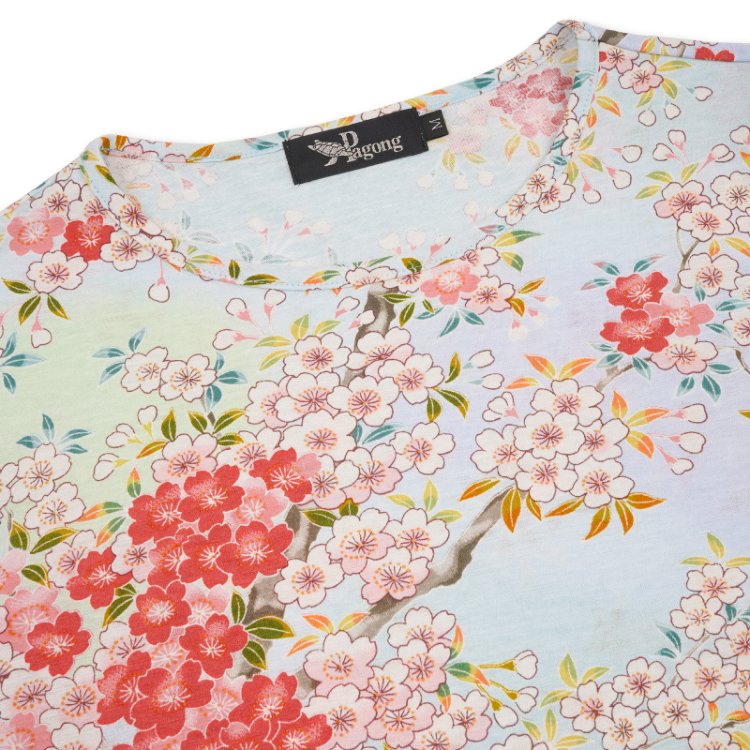
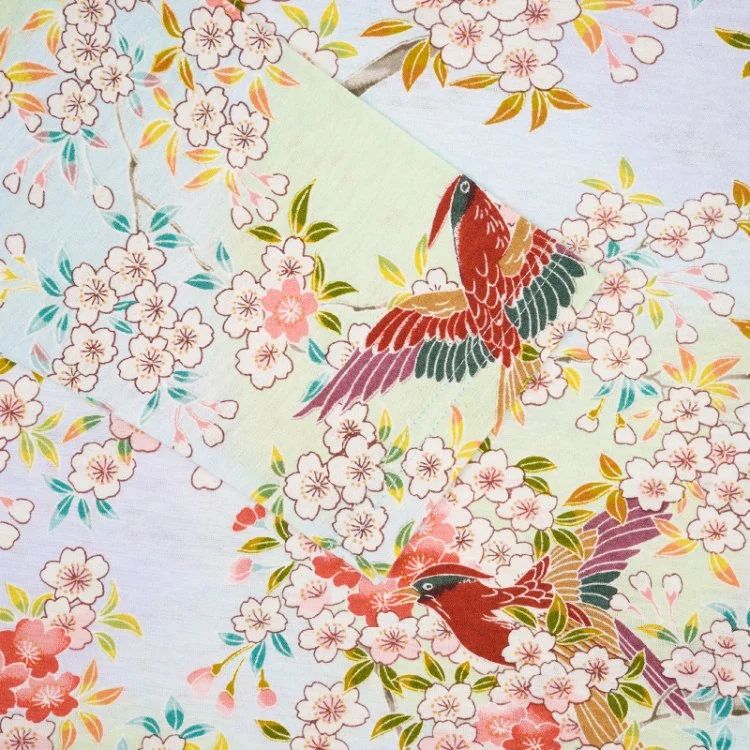
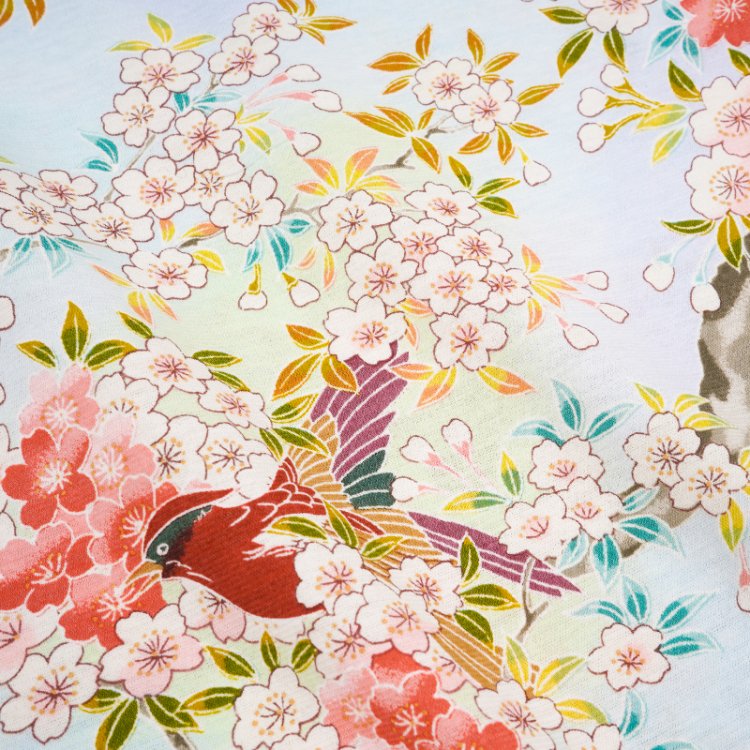
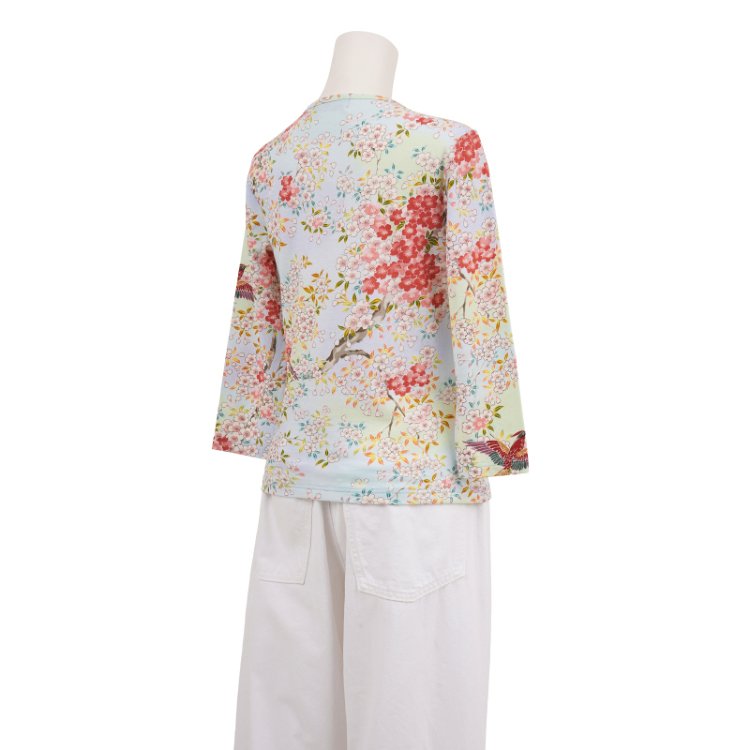
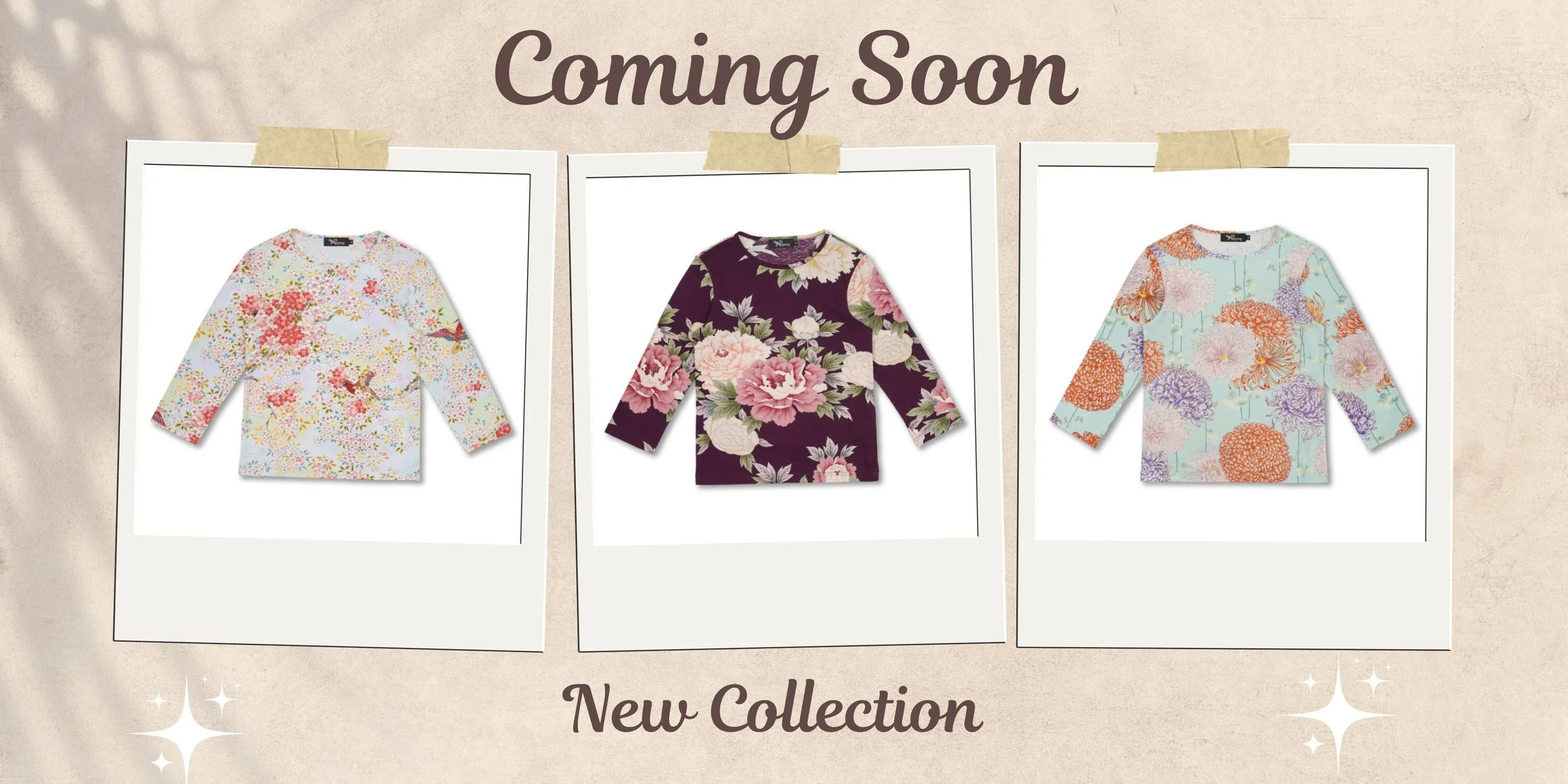
We are excited to introduce three new designs in our Cotton Quarter-Sleeve Tee collection: Peony, Sakura, and Chromo & Verde.
Inspired by the vibrant energy of the new season, these designs celebrate color, movement, and renewal. From the graceful beauty of peony blossoms to the soft elegance of sakura, and the bold harmony of Chromo & Verde’s vivid tones, this collection brings a fresh and expressive spirit to your wardrobe.
With brighter colors and dynamic combinations, our New Year quarter sleeves are designed to welcome spring with confidence and style.
Step into the season with color.
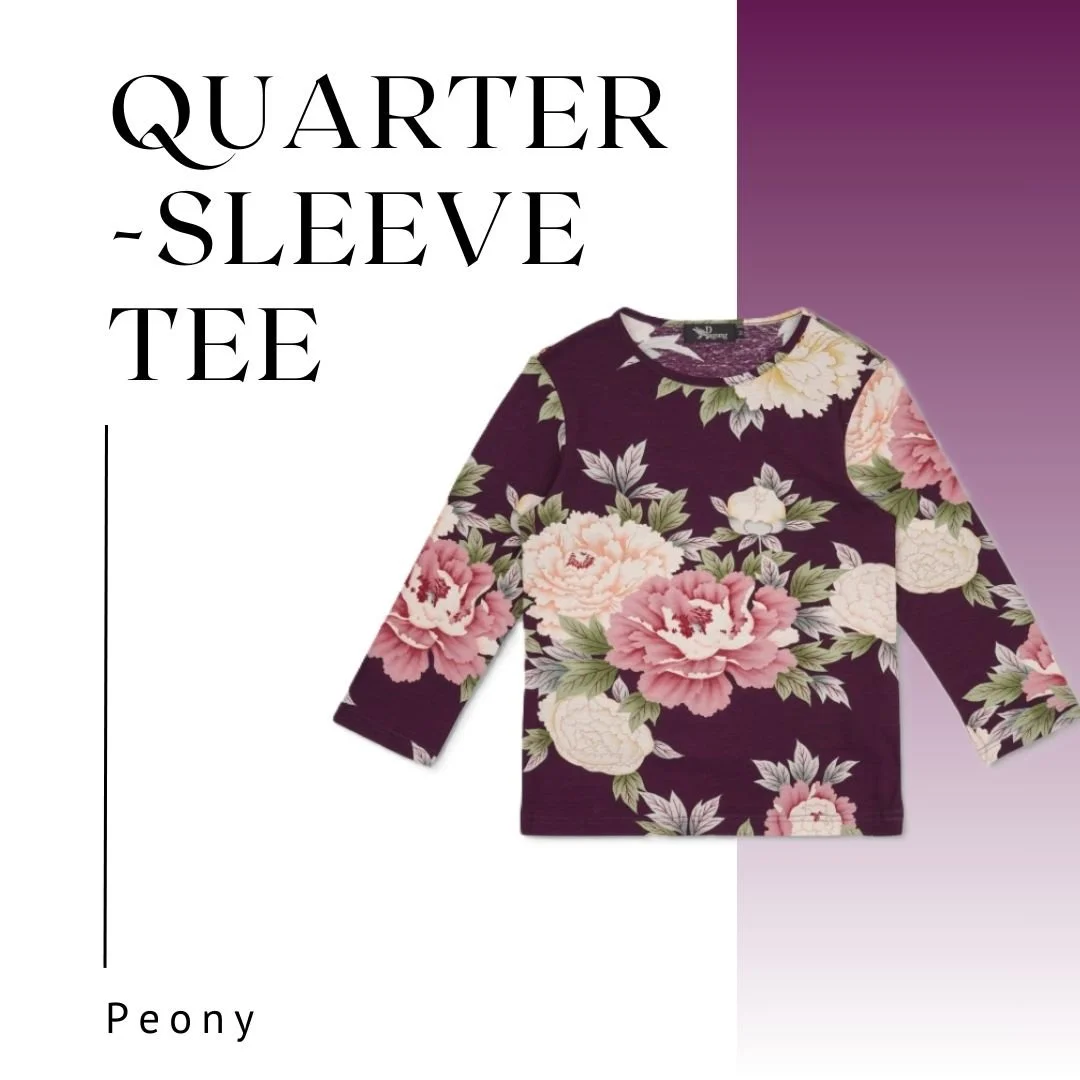
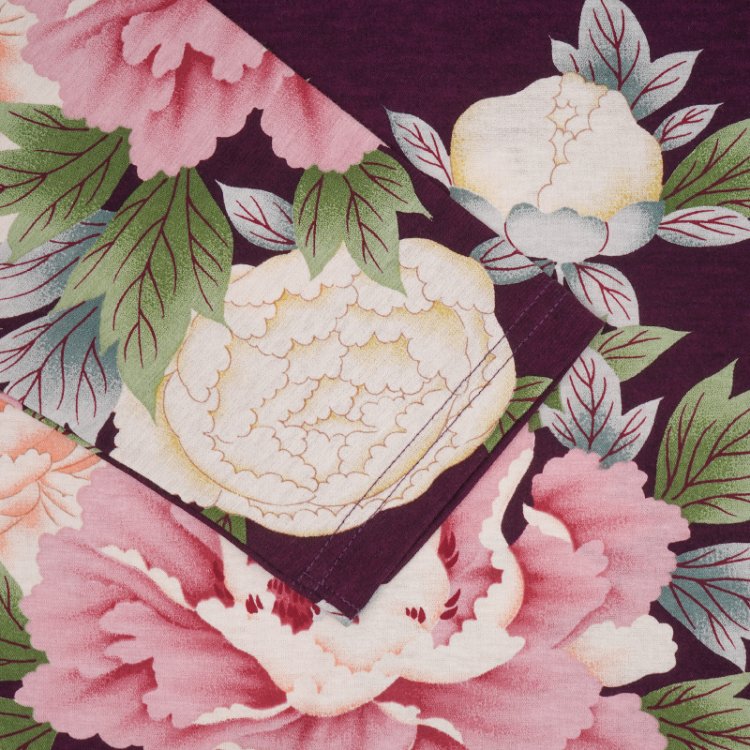
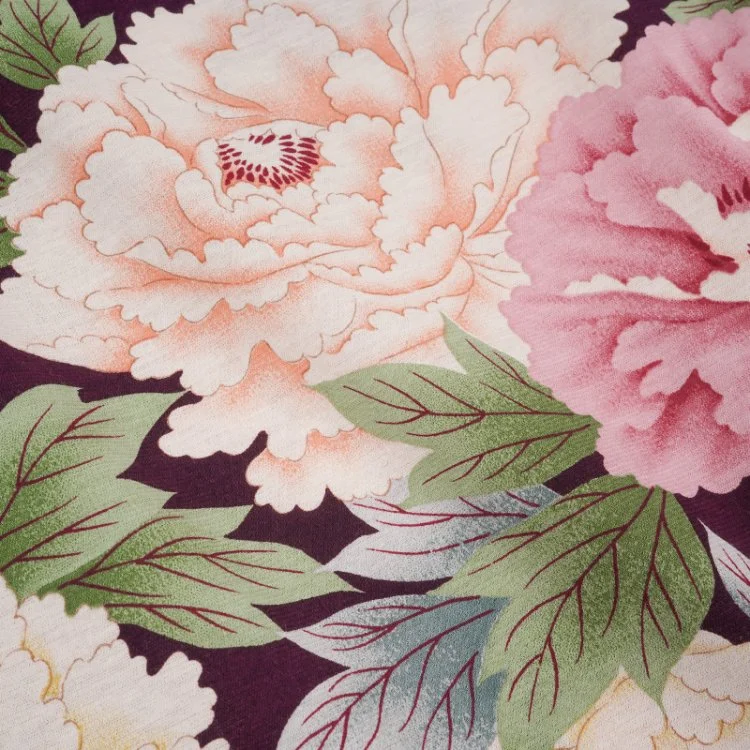
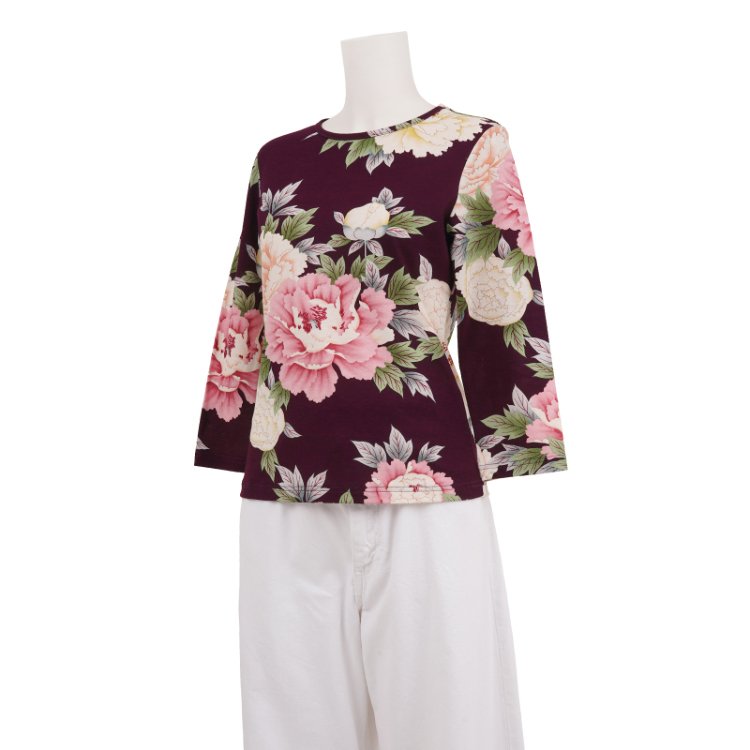
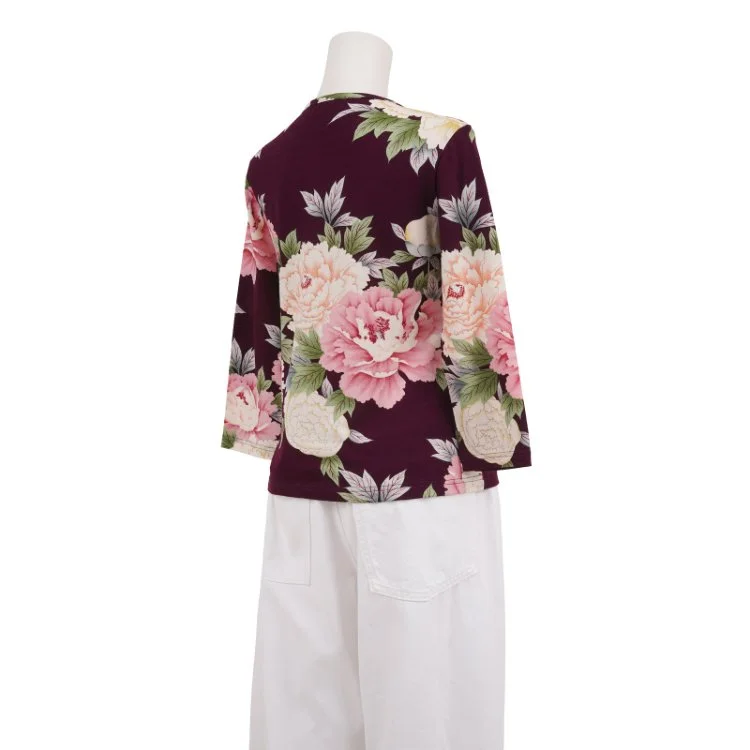
~牡丹~
Peonies were known as the "king of flowers" for their gorgeous appearance and popularity. They were introduced to Japan during the Nara period, and in the Heian period, they were cultivated in the imperial court and temples as ornamental plants. During the Edo period, the cultivation method became widespread, and as they became familiar with the common people, they began to be widely depicted on kosode and other items. Peony is also known as the "flower of wealth and honor" and is loved as a symbol of wealth and honor. The peony pattern, which symbolizes the acquisition of wealth, is filled with hopes and aspirations for prosperity.
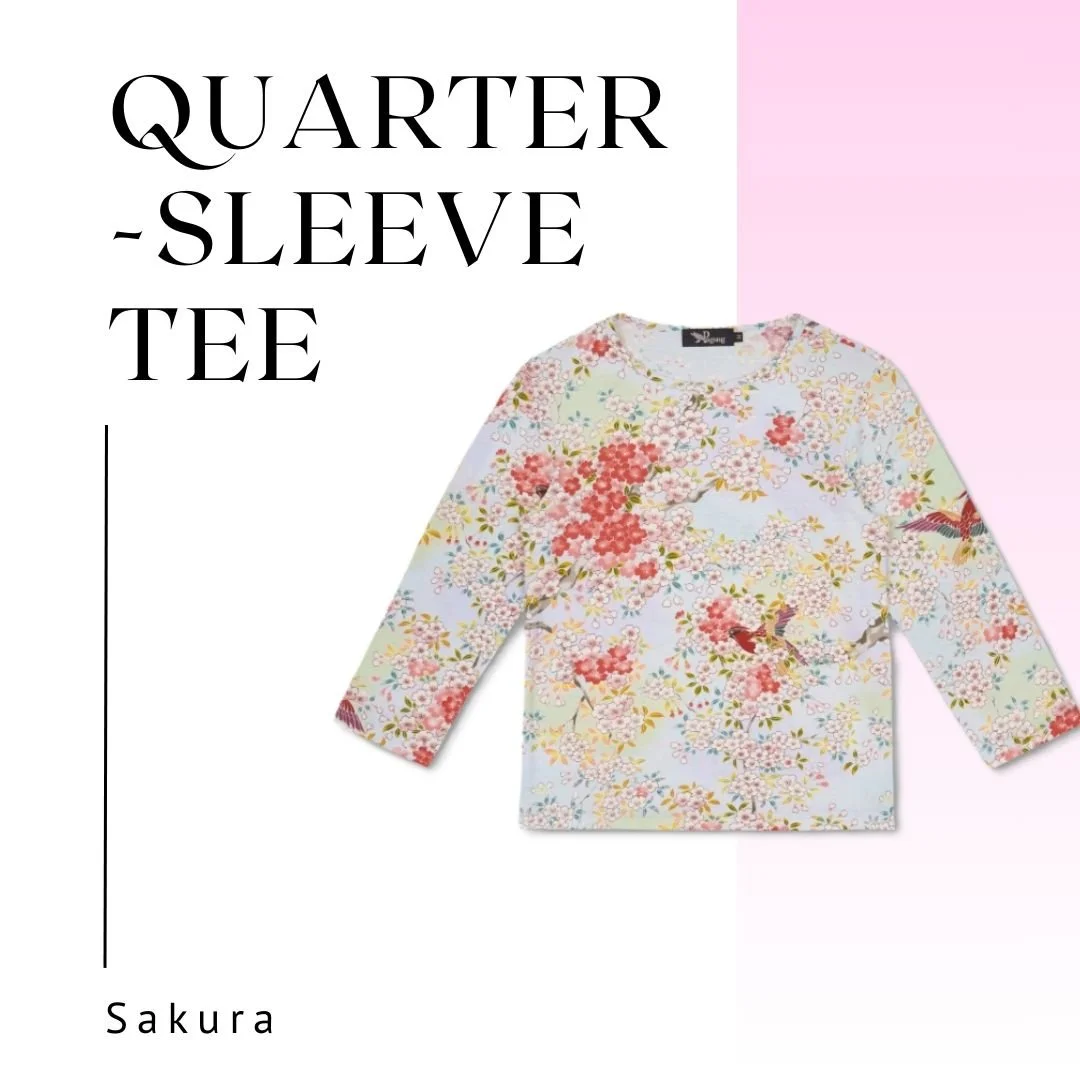
~さくら~
Sakura, or cherry blossoms, are Japan’s national flower in the hearts of the people. Every spring, throngs of Japanese people and visitors make efforts to see this well-loved flower, a tradition known as “hanami”, a flower-viewing and picnic event to enjoy the blossoms.
Widely celebrated in Japanese literature, poetry, and art, sakura carry layered meanings. For example, because they bloom briefly, the blossoms are often seen as a metaphor for the ephemeral beauty of living. The brilliant blooming season is powerful, glorious, and intoxicating, but short-lived, a visual reminder that our lives, too, are fleeting.
The joyful tradition of hanami is an old and ongoing tradition, and can be traced back centuries in Japanese culture. The eighth century chronicle Nihon Shoki records hanami festivals being held as early as the third century AD.
The style of this painting is from the Maruyama school of the Edo era (1603-1868).
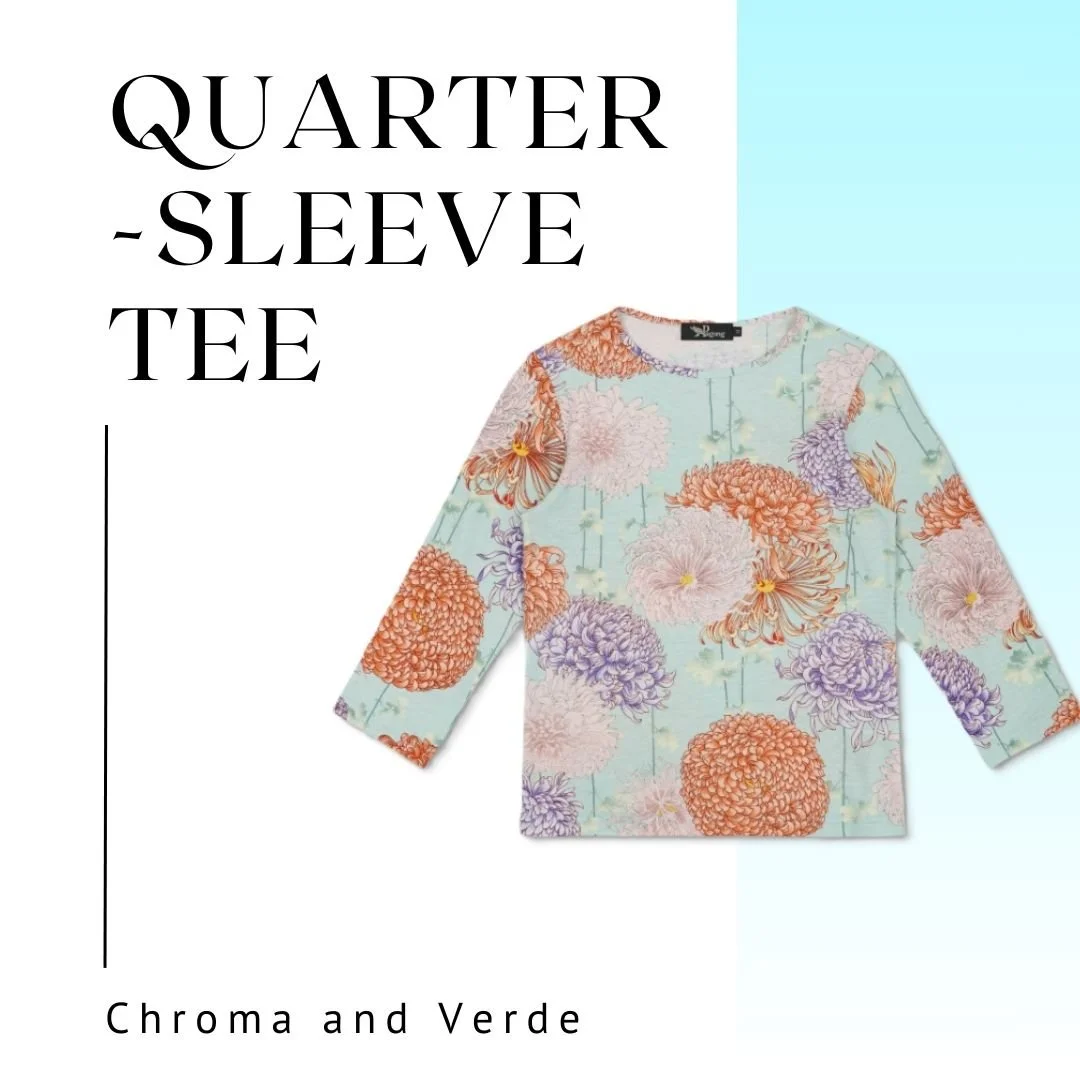
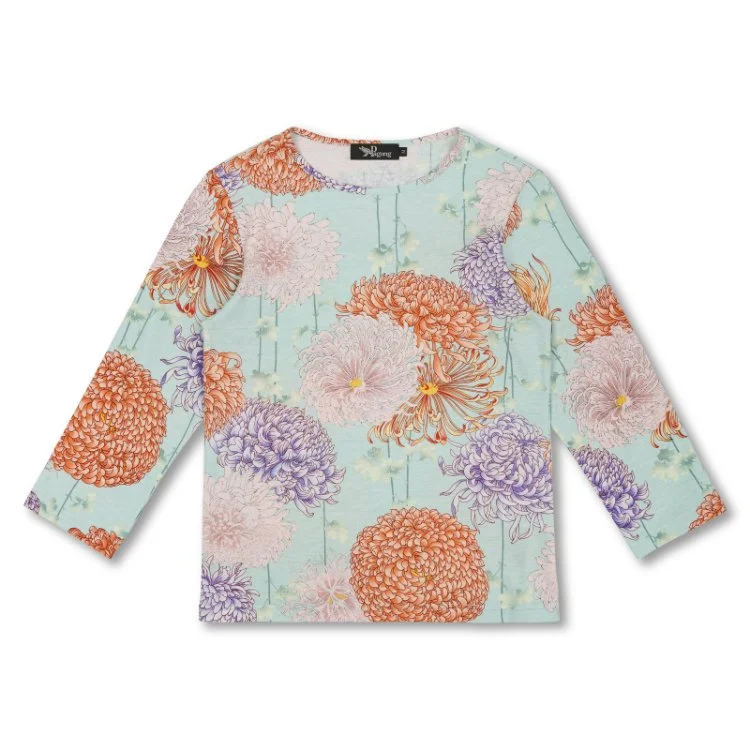
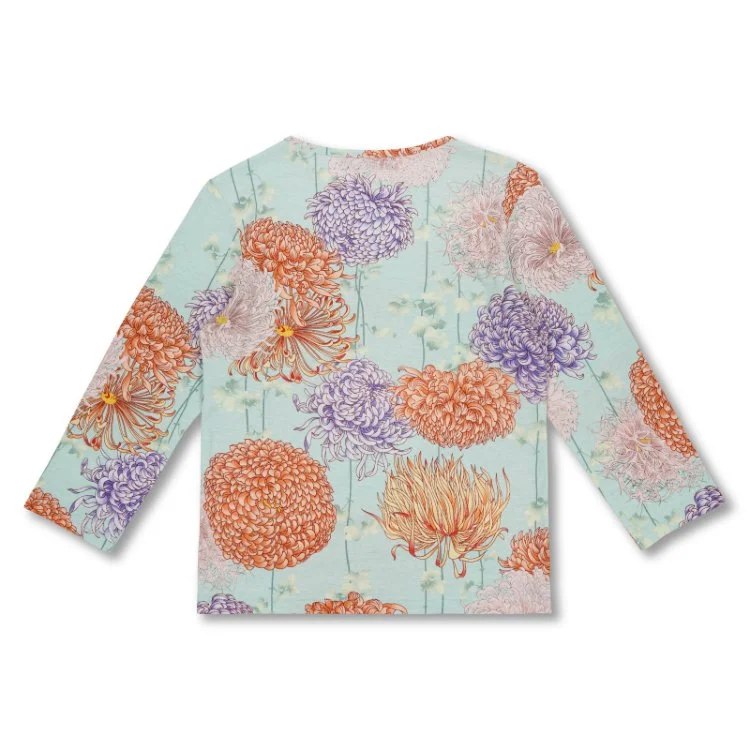
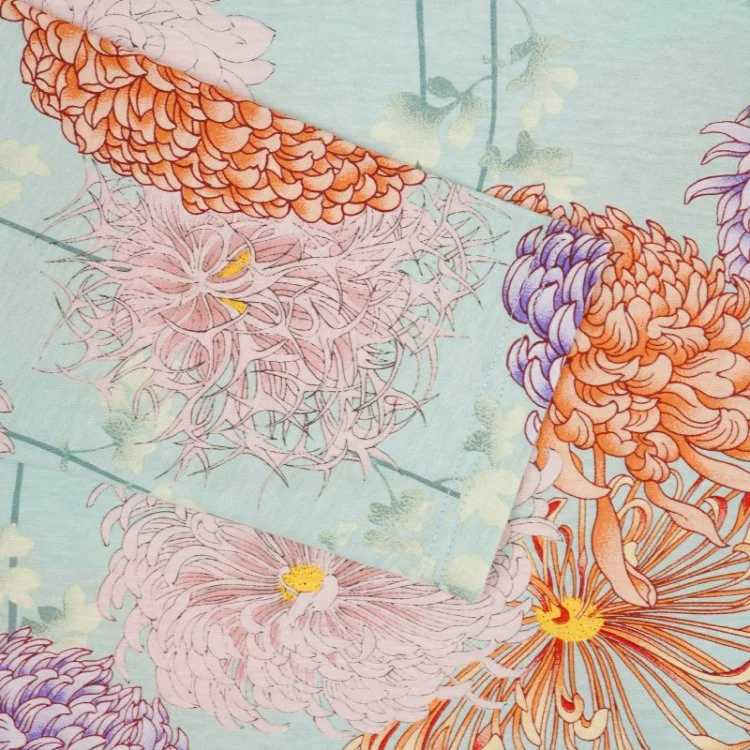
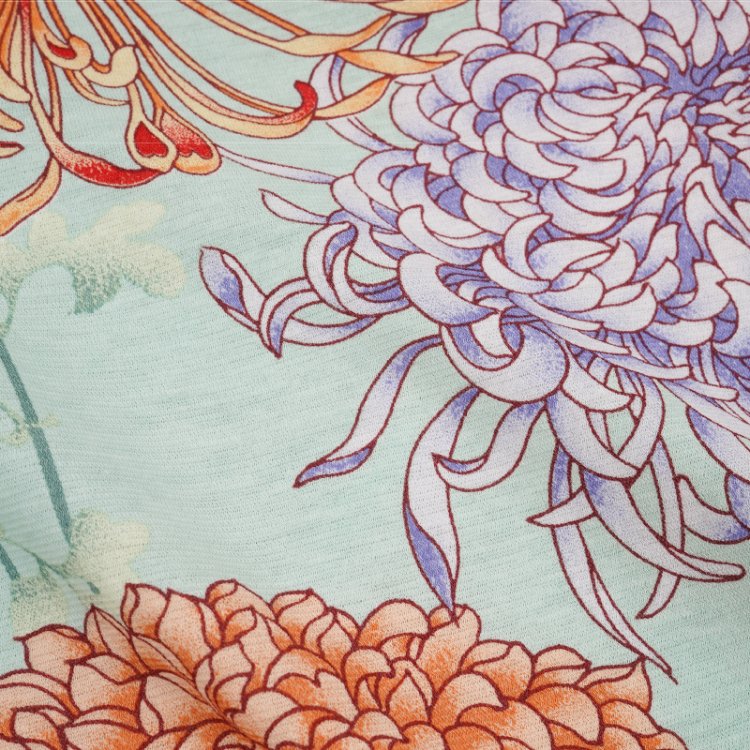
~彩り菊蔦文様~
Chrysanthemums, which have long been a symbol of longevity and immortality in Japan, were introduced from China during the Nara period as medicinal flowers. In ancient China, chrysanthemums were considered a symbol of immortality due to various historical events that linked chrysanthemums to longevity, and on the Double Ninth Festival, also known as the Chrysanthemum Festival, people drank chrysanthemum wine to pray for longevity.