Summer New Releases Coming Soon…

Experience the Spirit of Japanese Summer – New Summer Aloha Shirt Collection
Summer has arrived at Pagong Kyoto, and with it comes our newest collection of Japanese-inspired Aloha Shirts designed to bring color, comfort, and artistic beauty into the season.
This year’s Summer Collection features carefully selected traditional Japanese art motifs combined with lightweight fabrics perfect for warm weather, travel, festivals, and everyday wear. Each piece reflects the spirit of Japanese craftsmanship while offering a modern and comfortable style that can be enjoyed anywhere in the world.
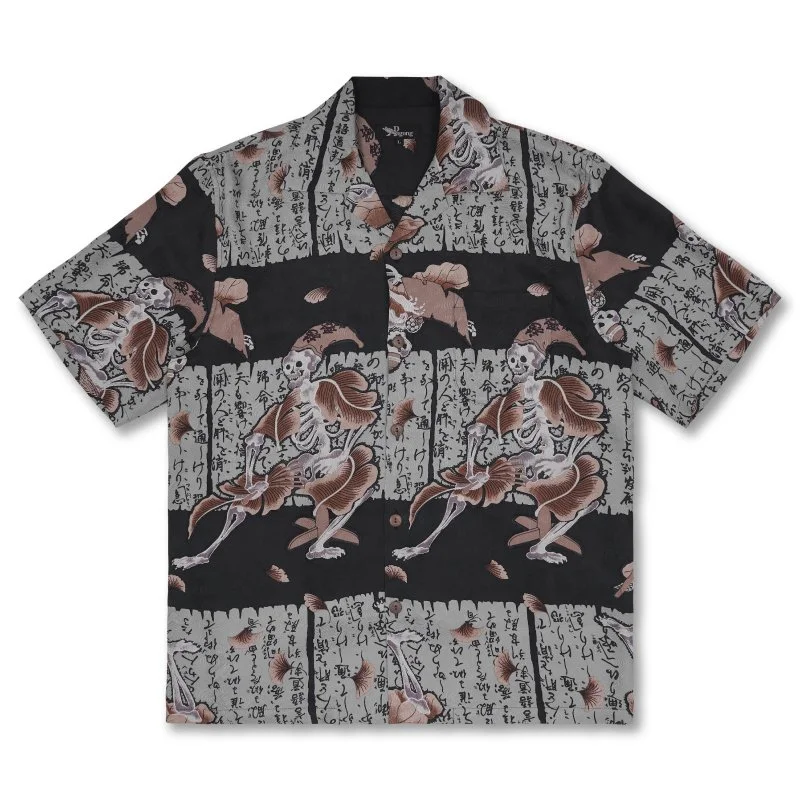
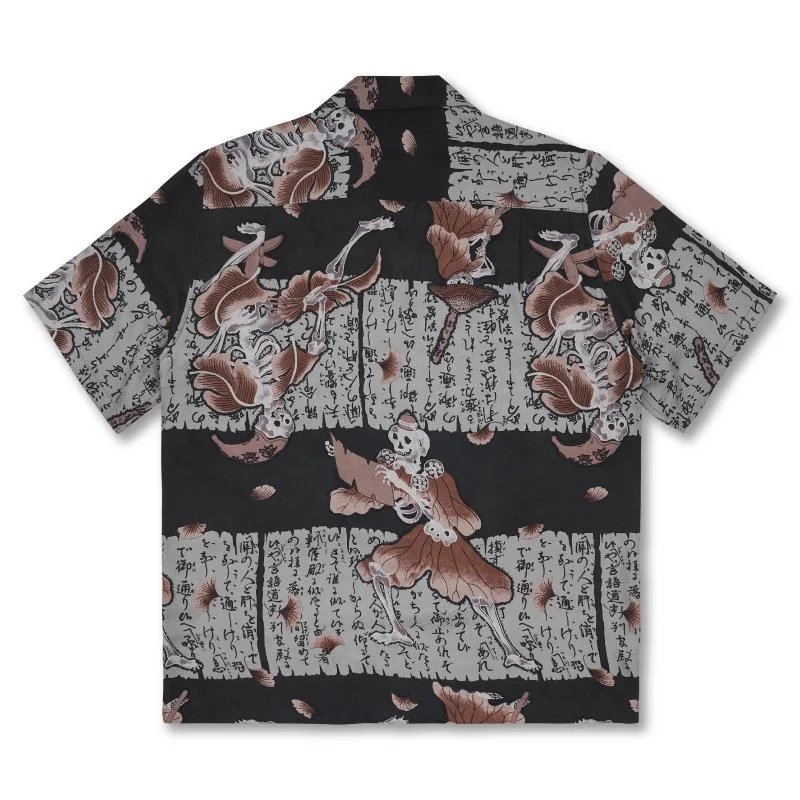
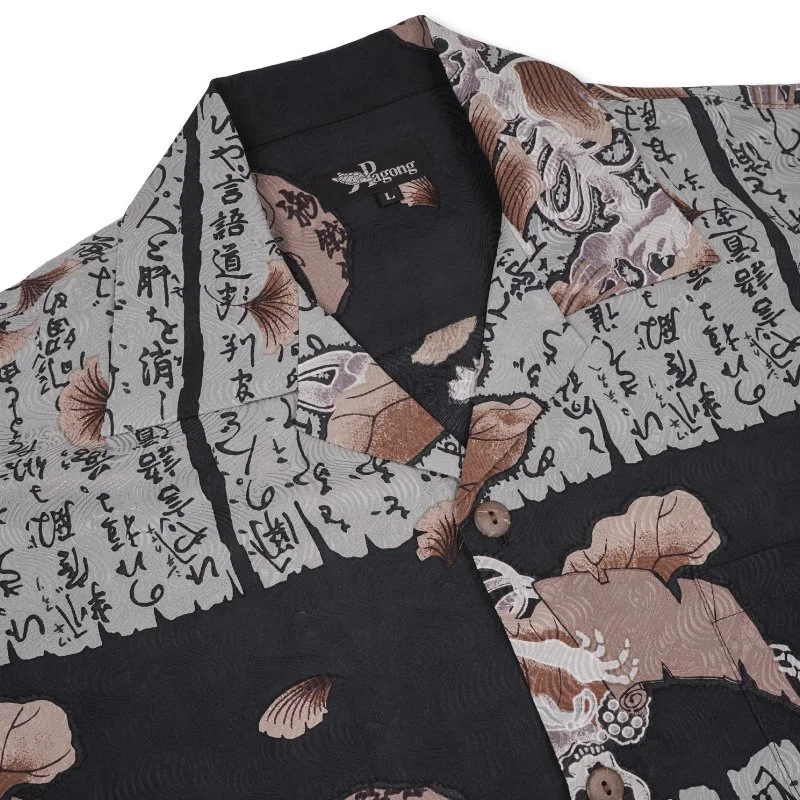
Our newly released collection includes four beautiful silk aloha shirt designs inspired by classic Japanese culture and artwork:
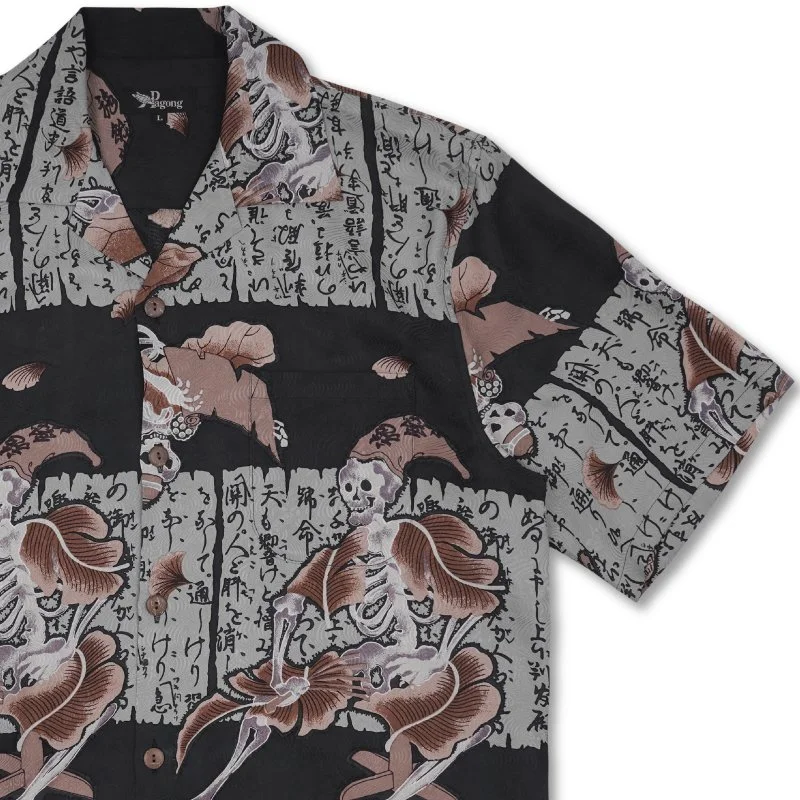
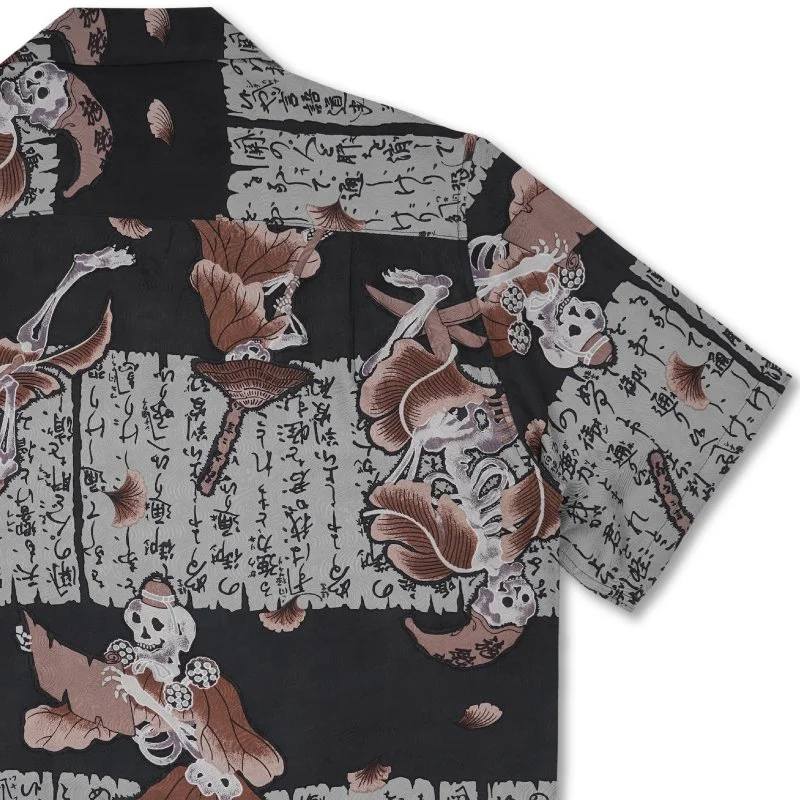
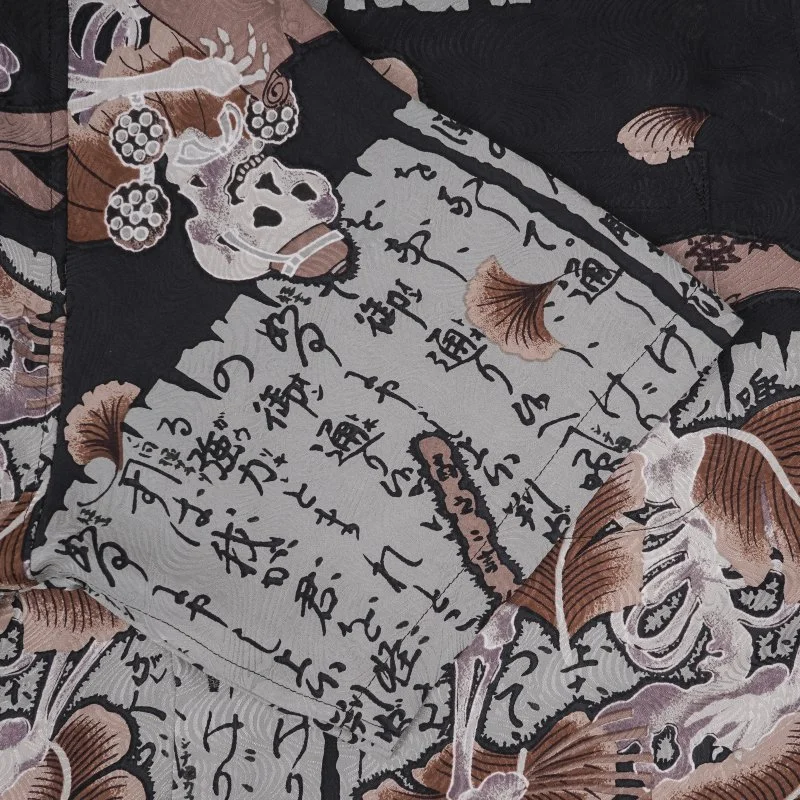
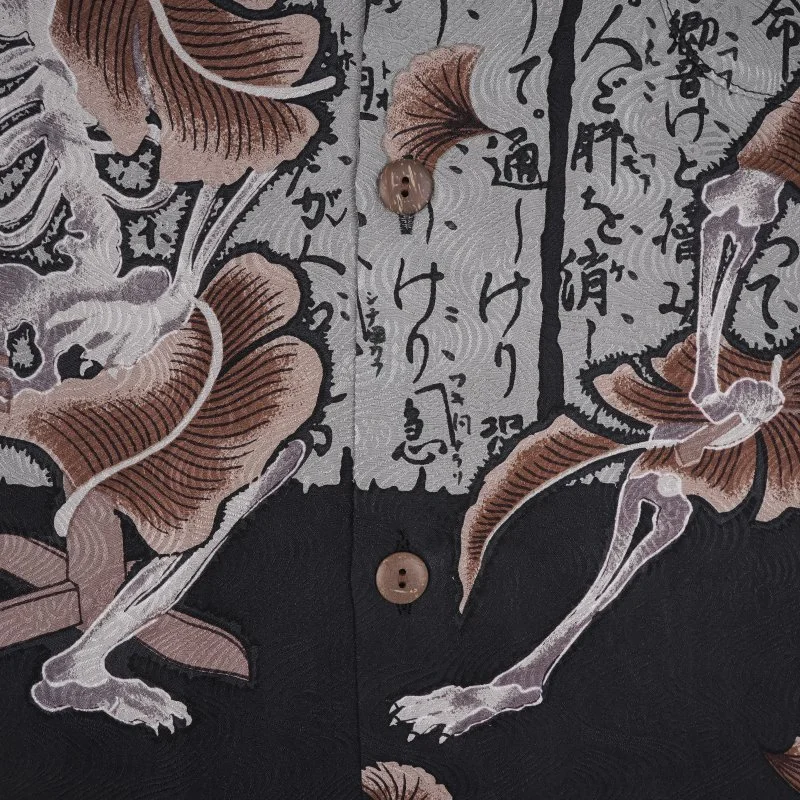
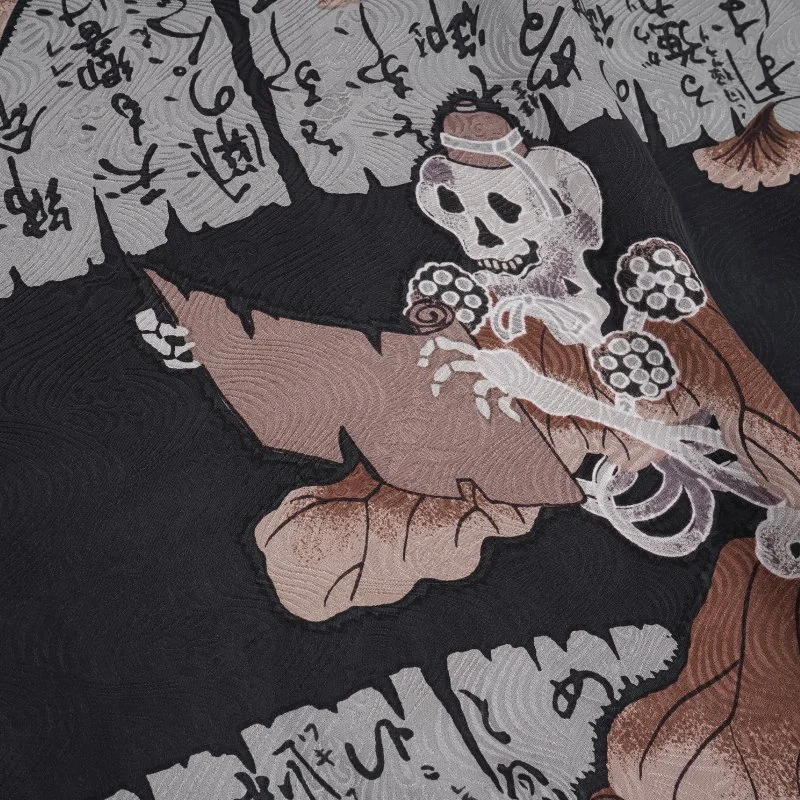
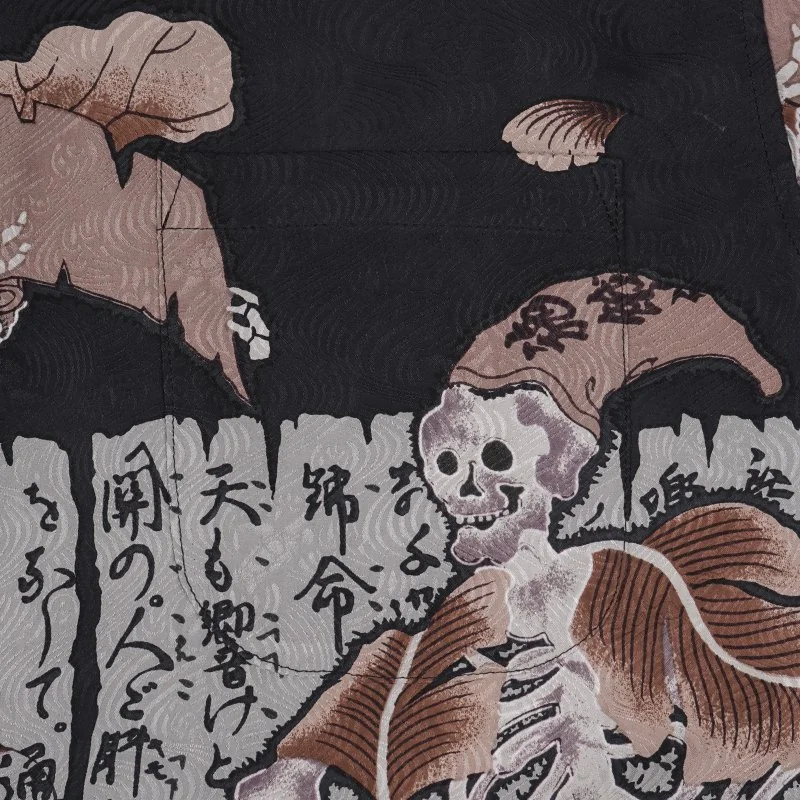
• Kanjincho 勧進帳
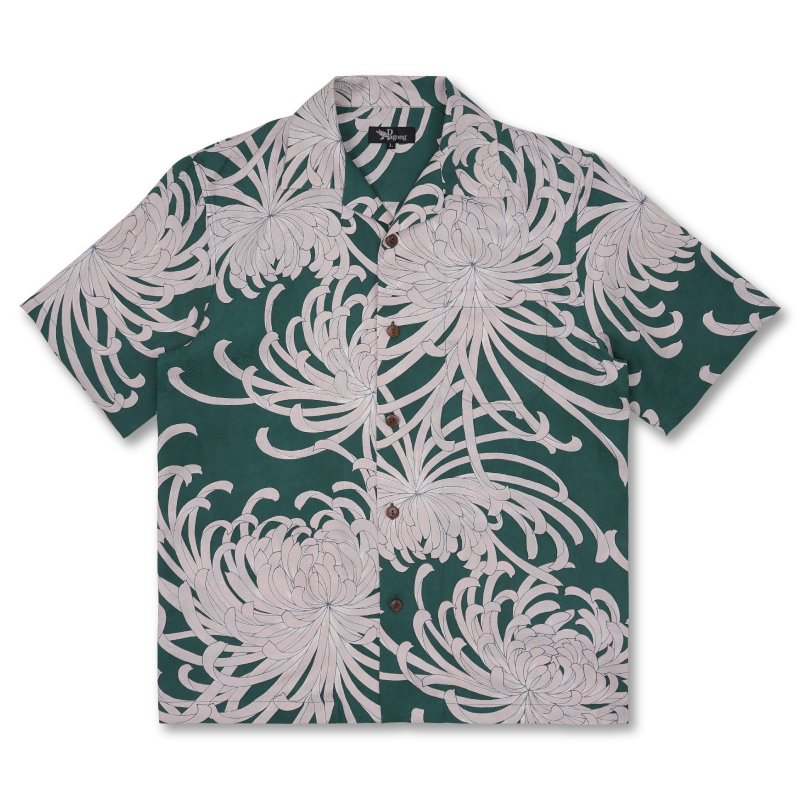
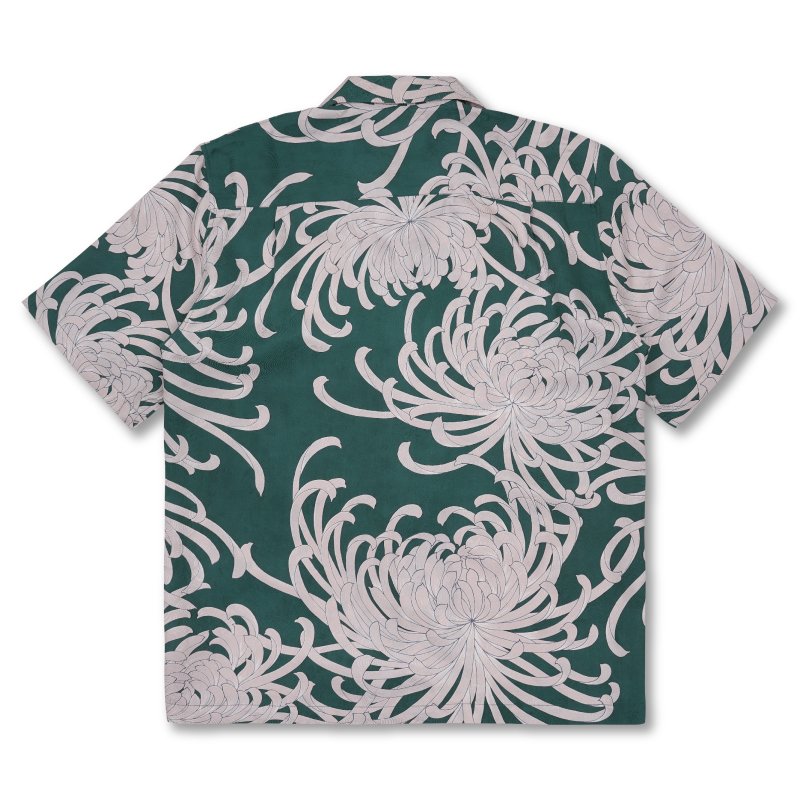
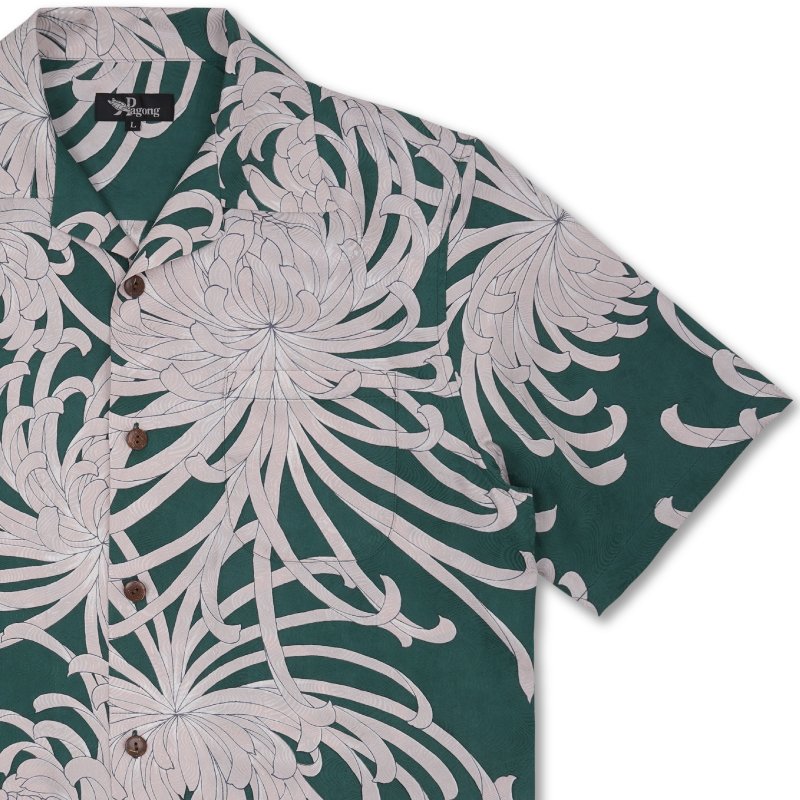
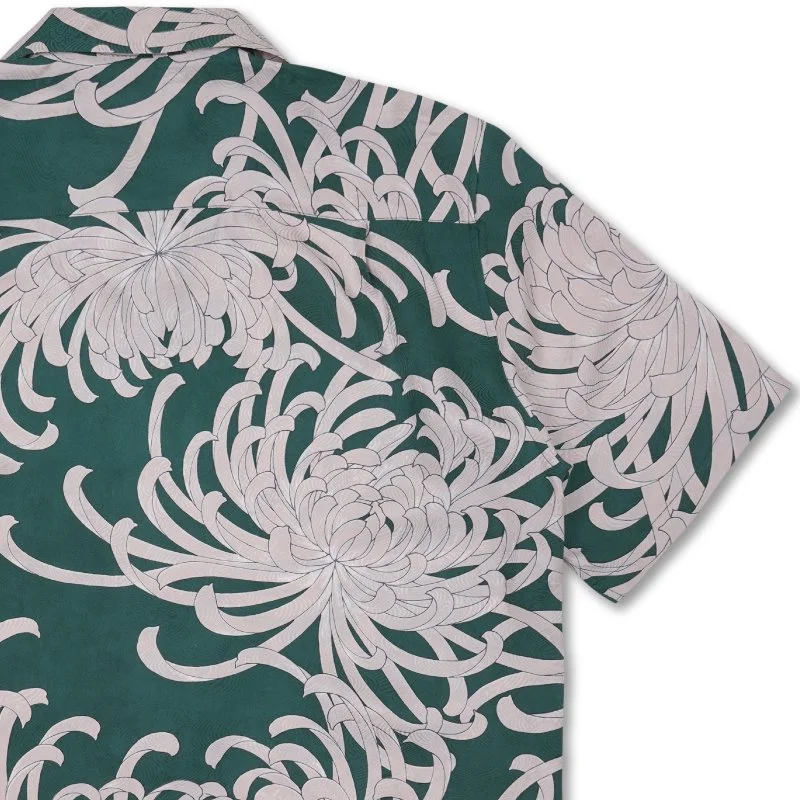
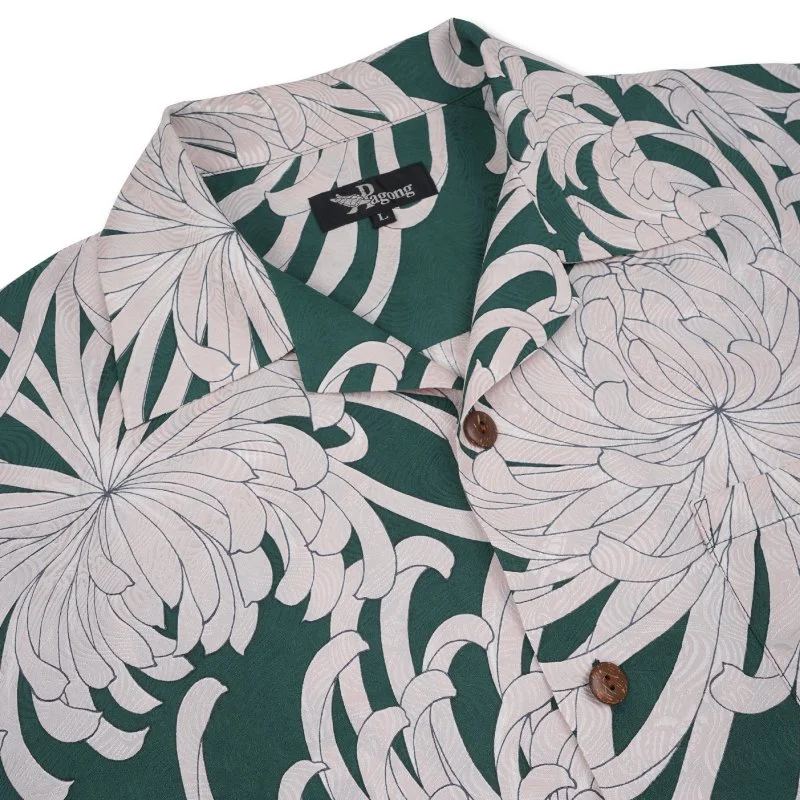
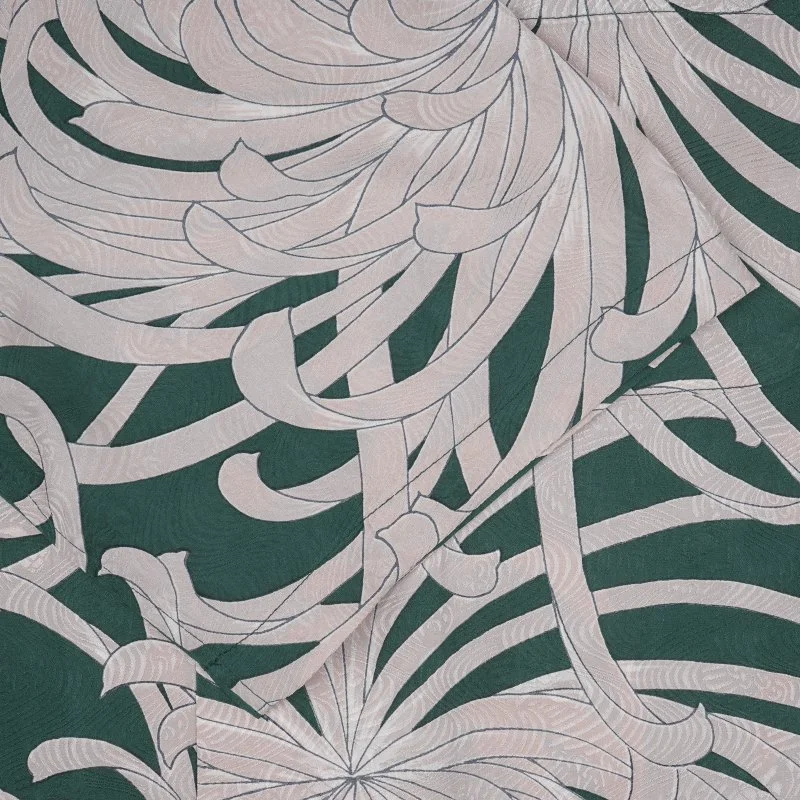
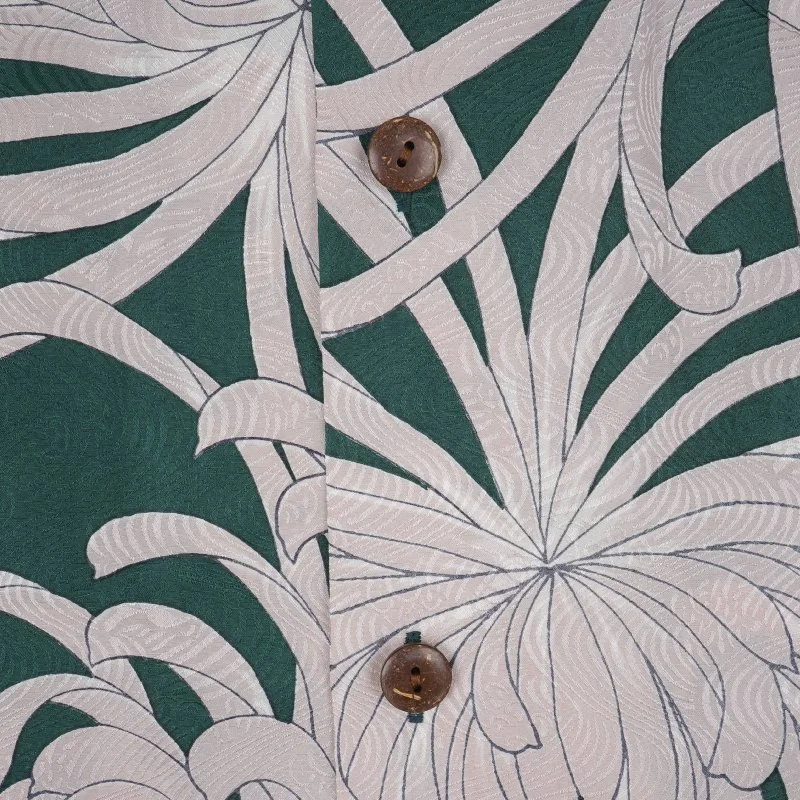
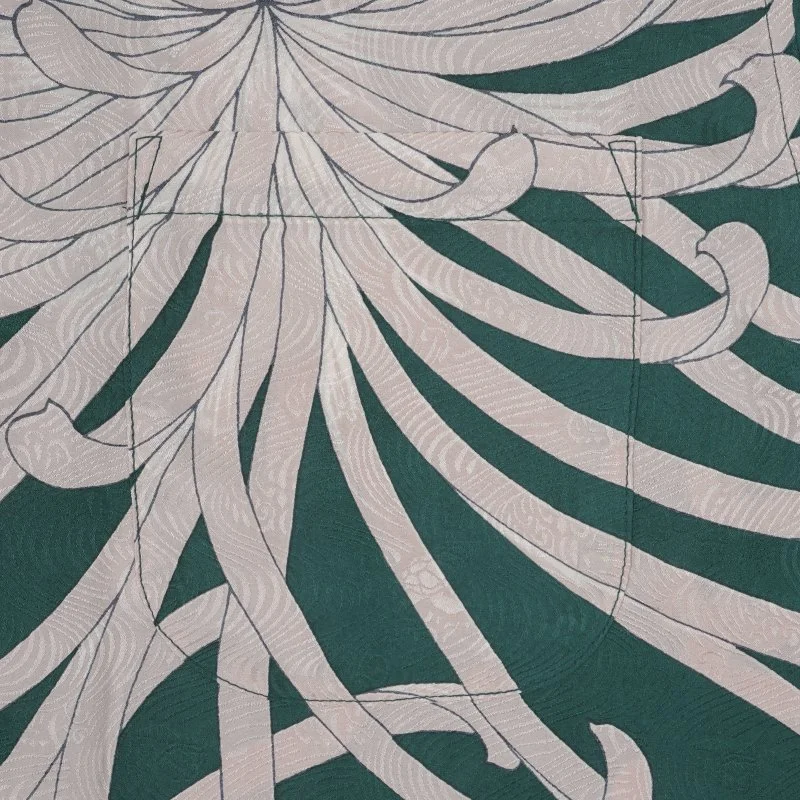
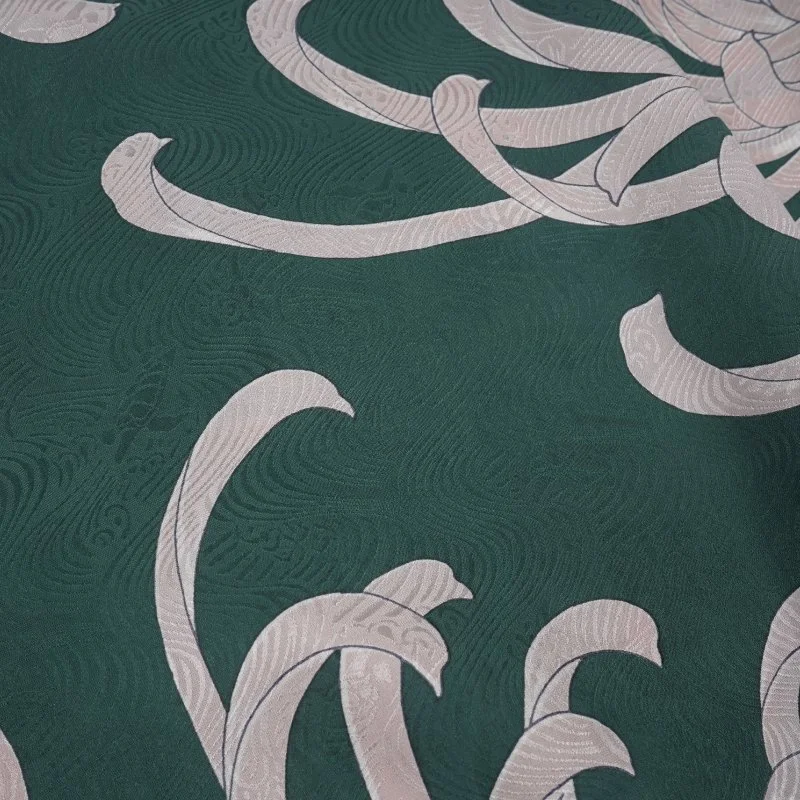
• Dancing Chrysanthemum 乱菊
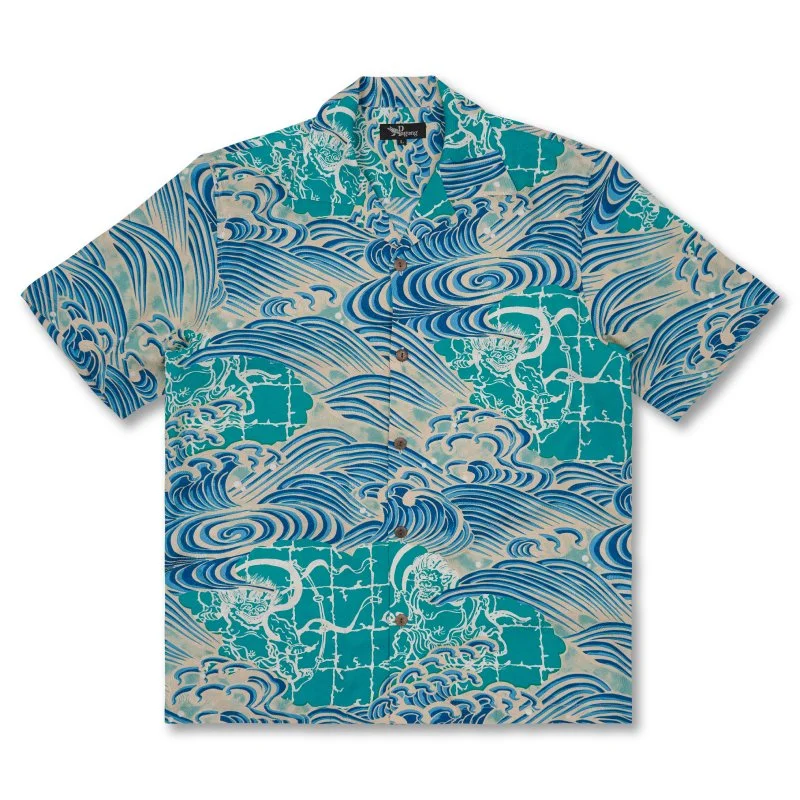
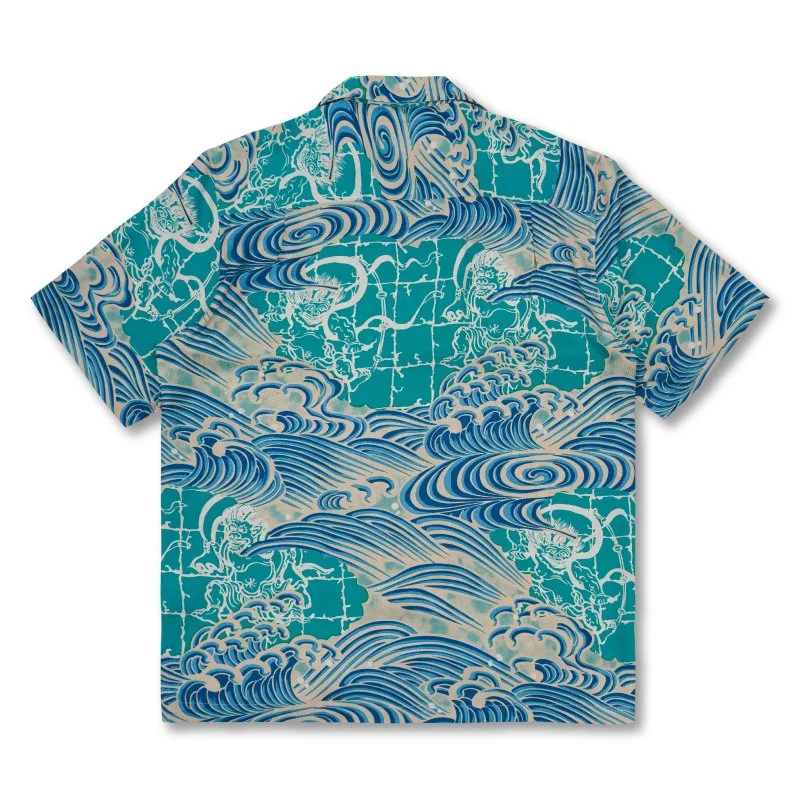
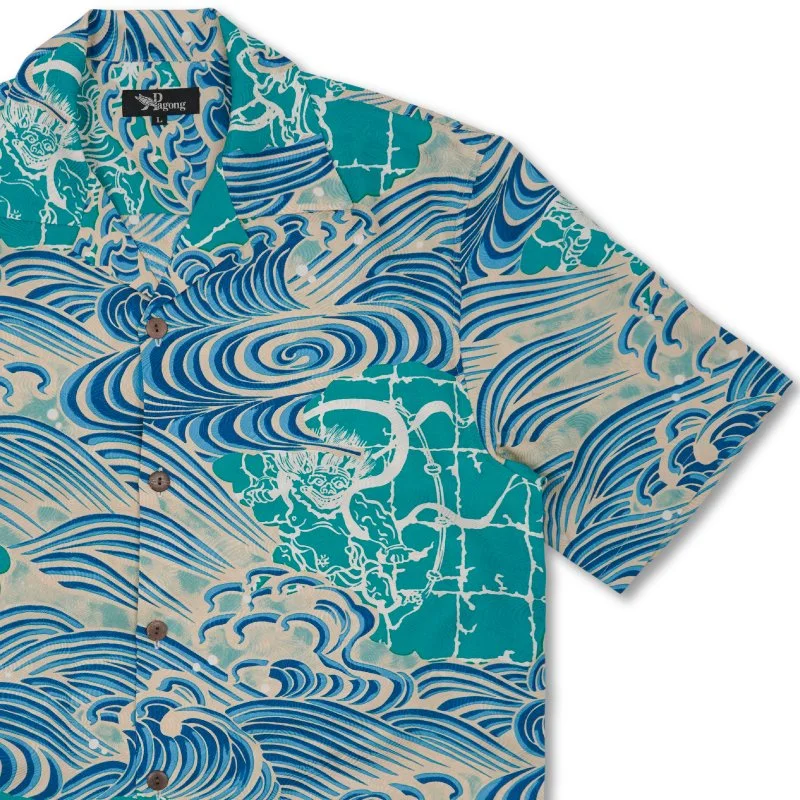
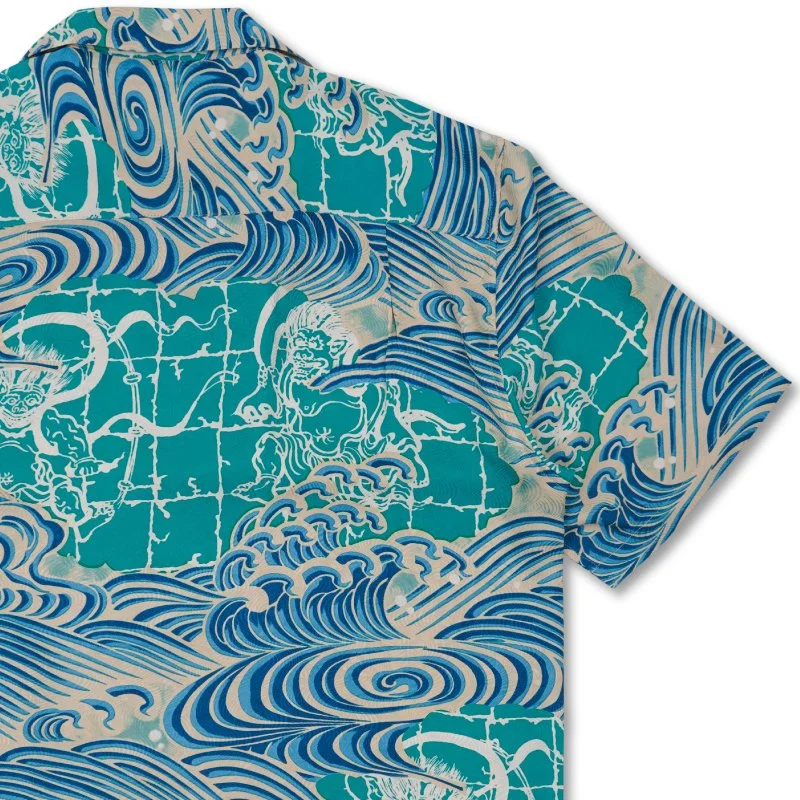
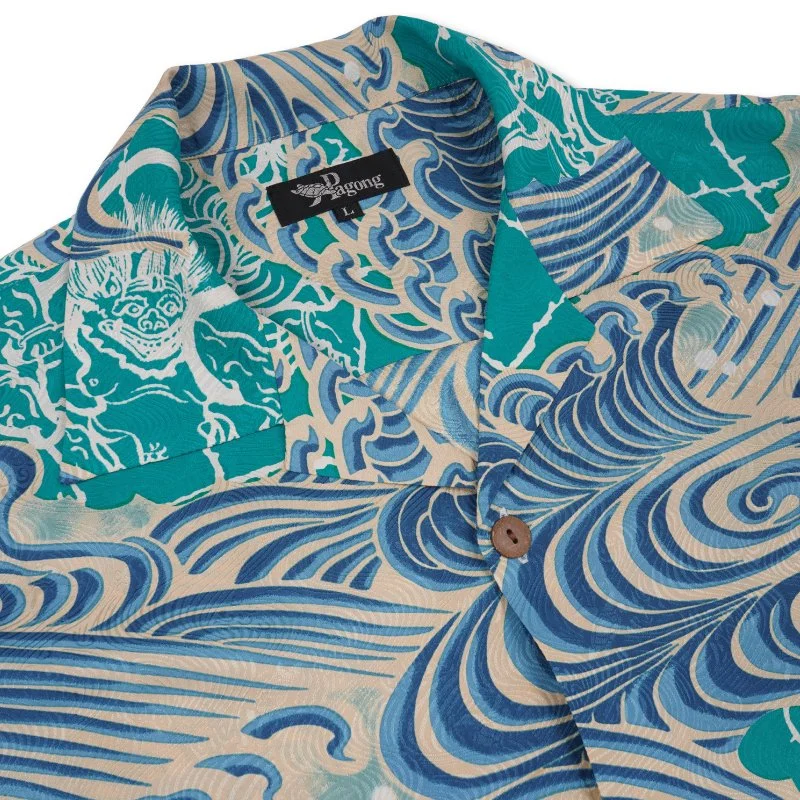
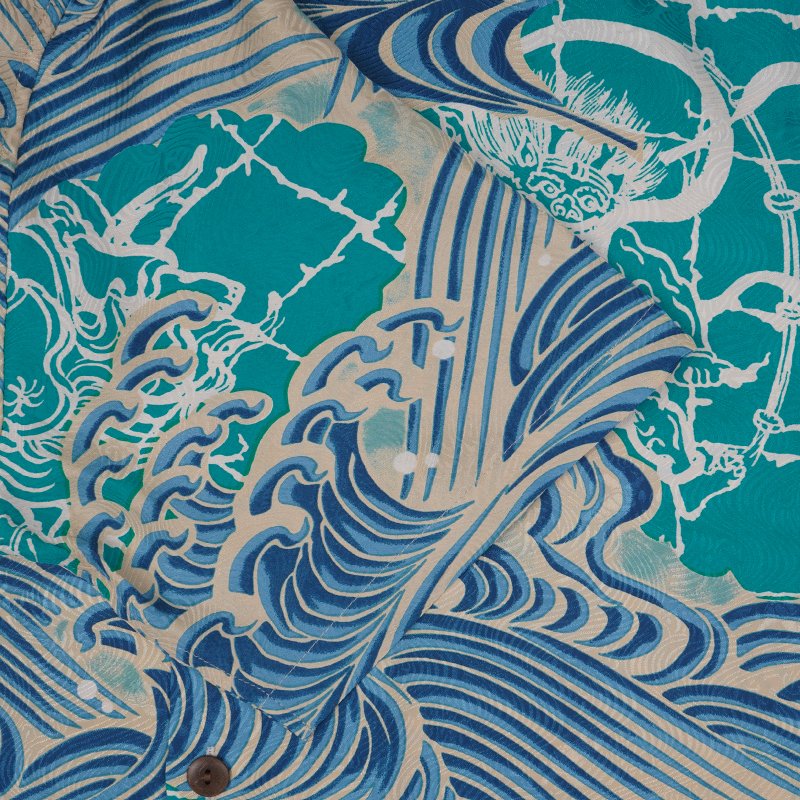
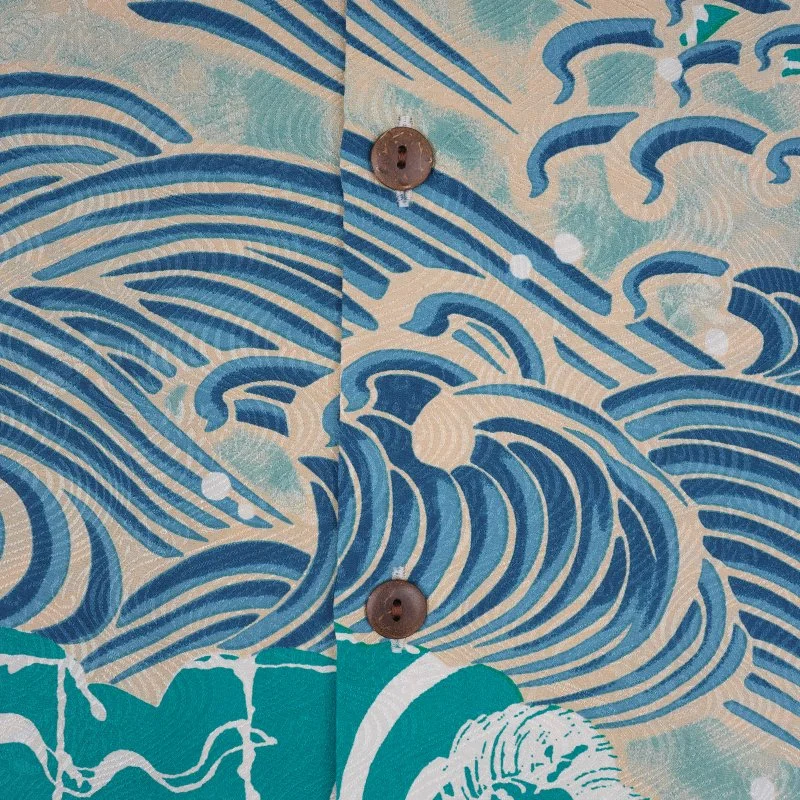
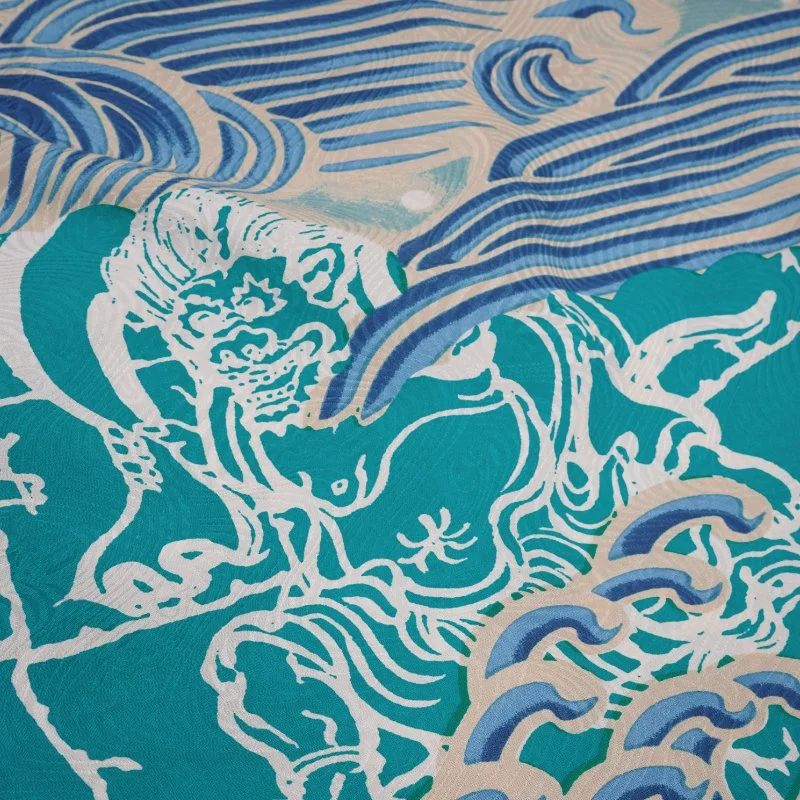
• Fujin and Raijin 波に風神雷神
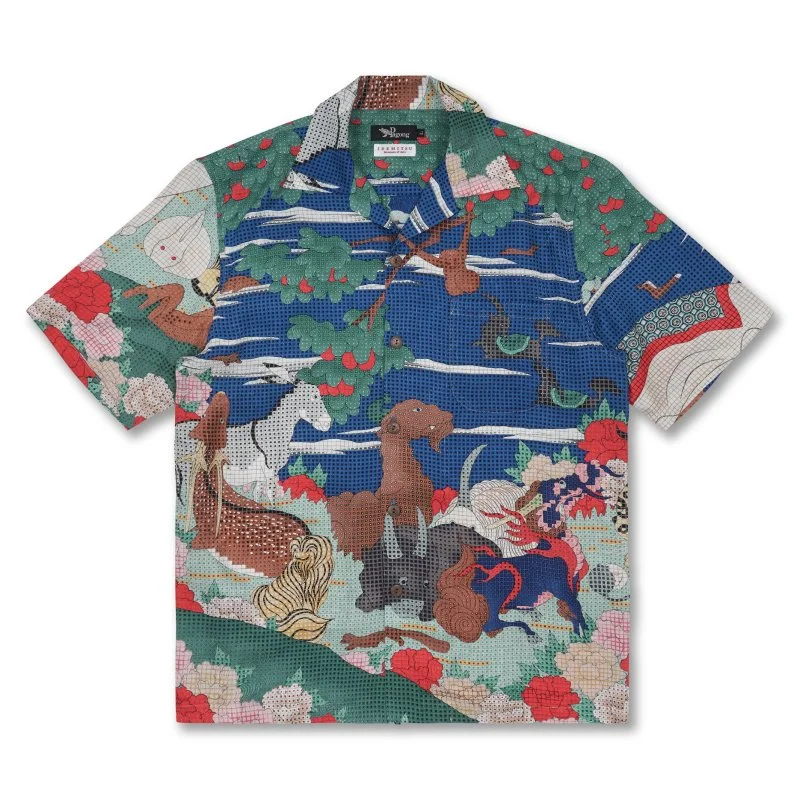
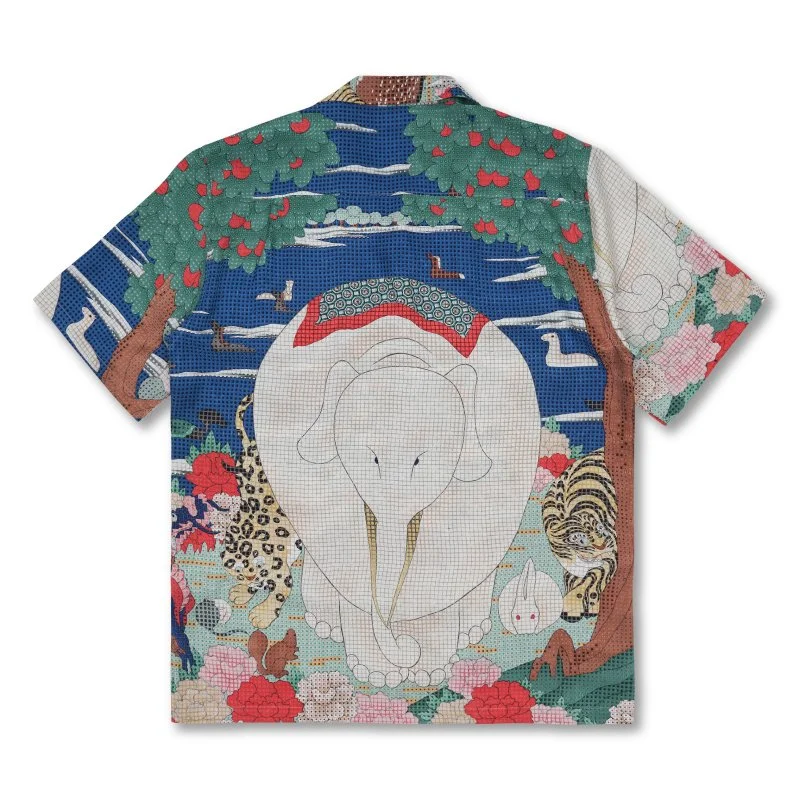
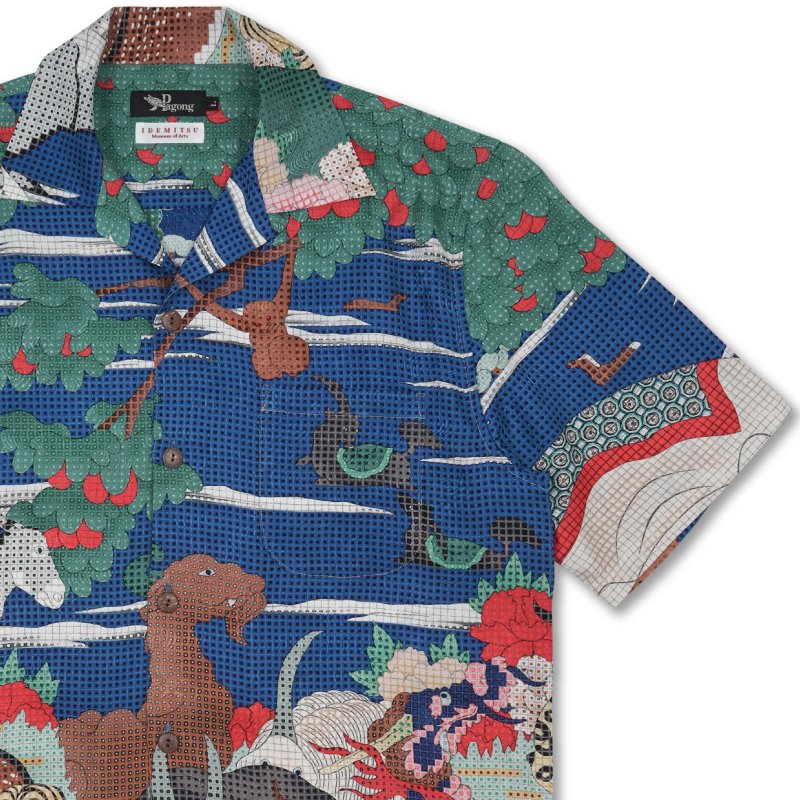
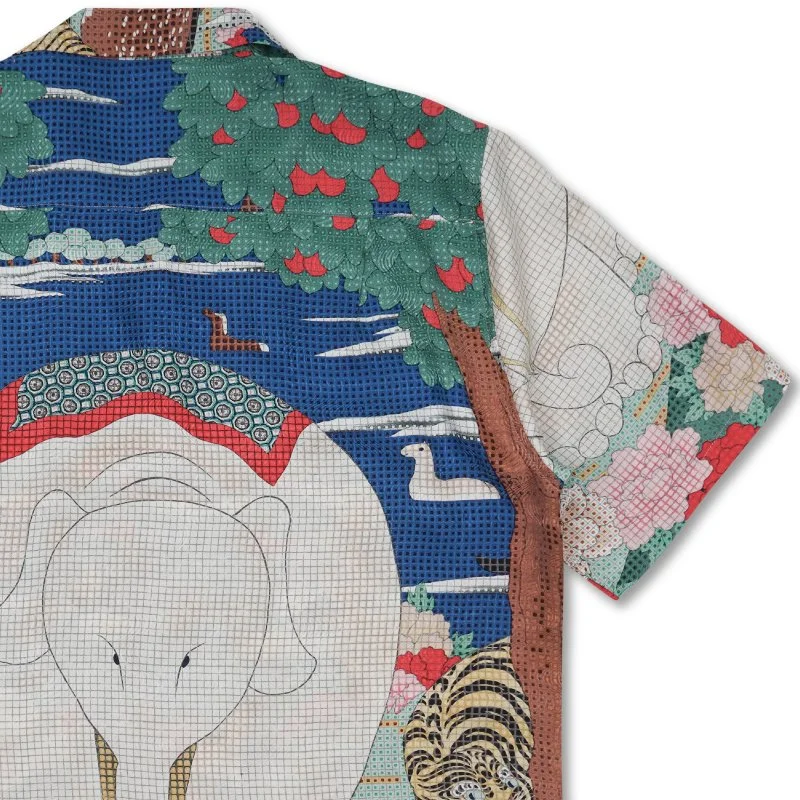
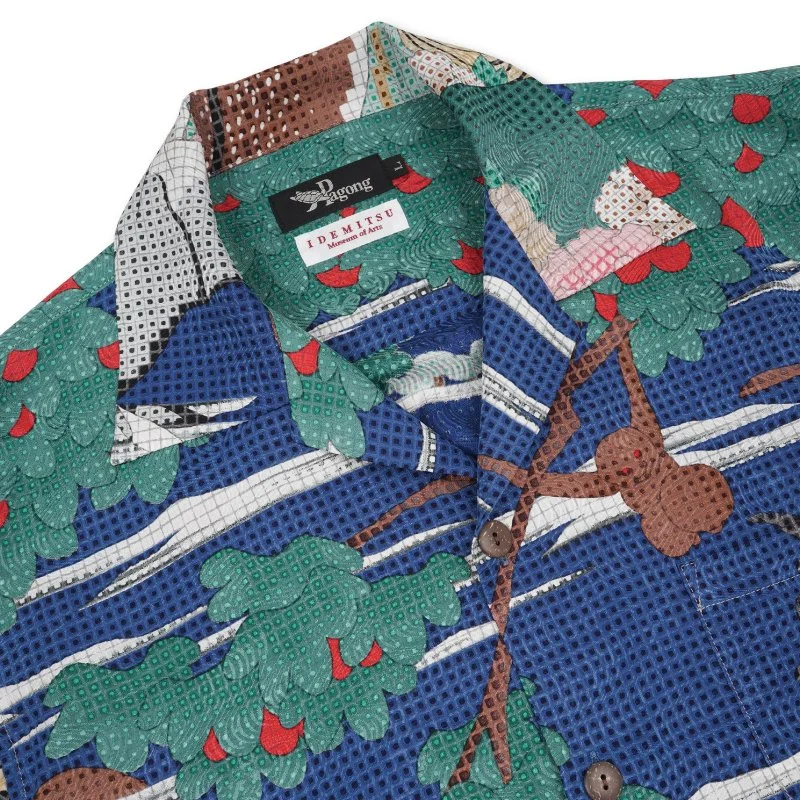
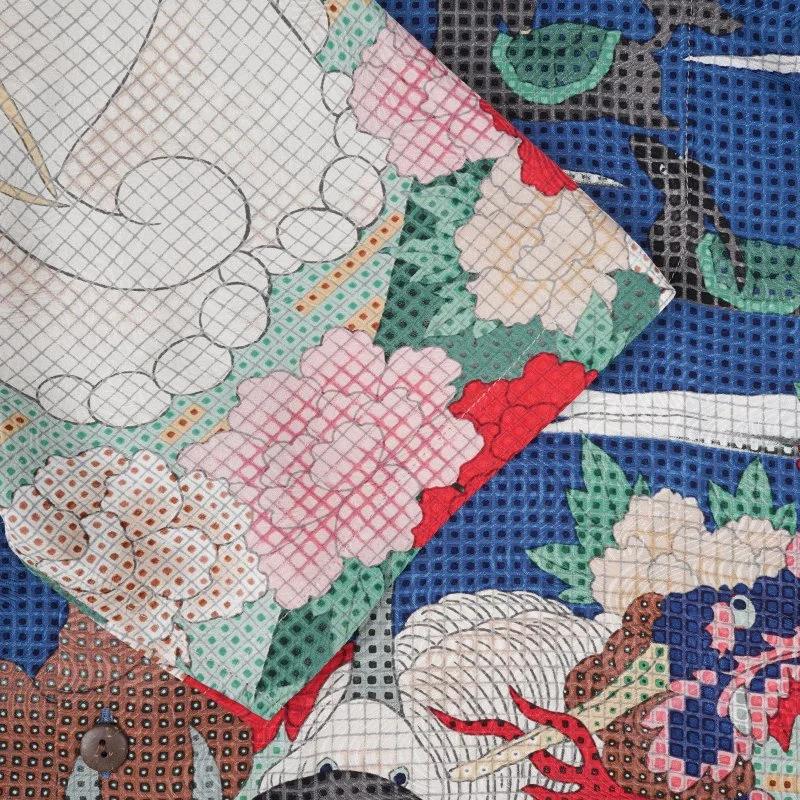
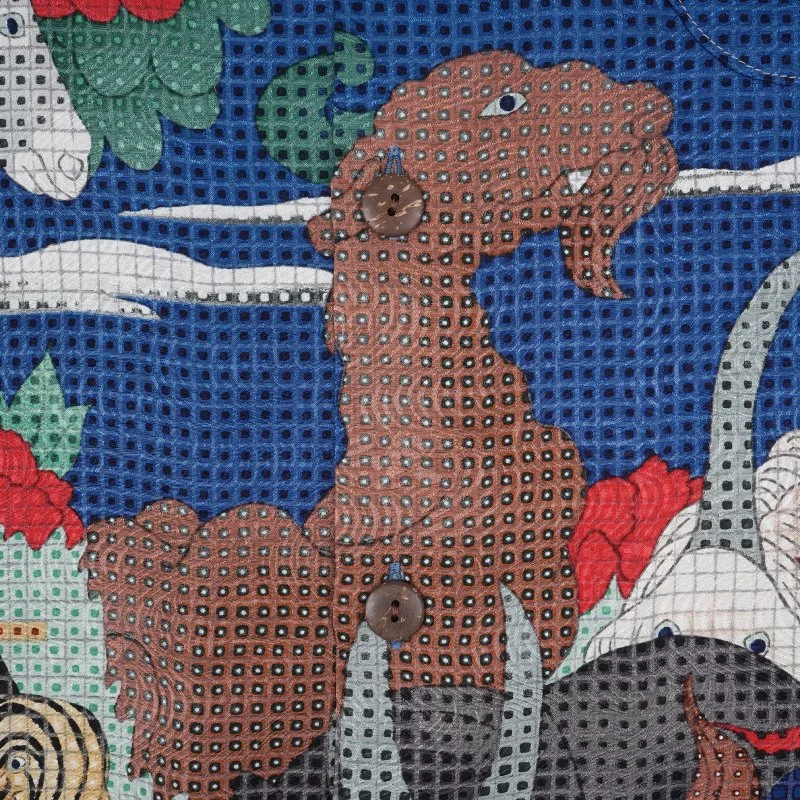
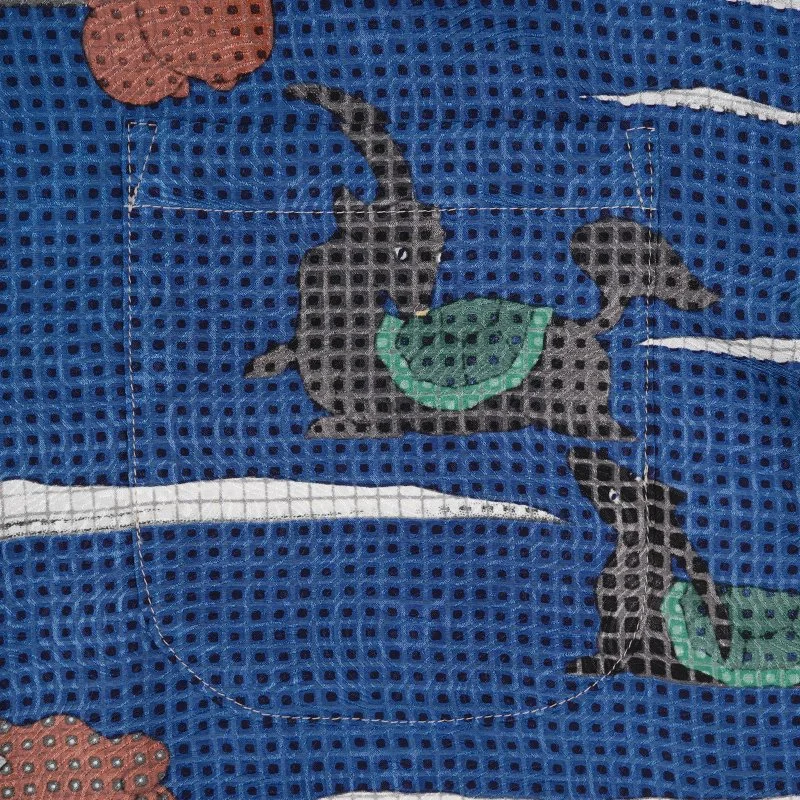
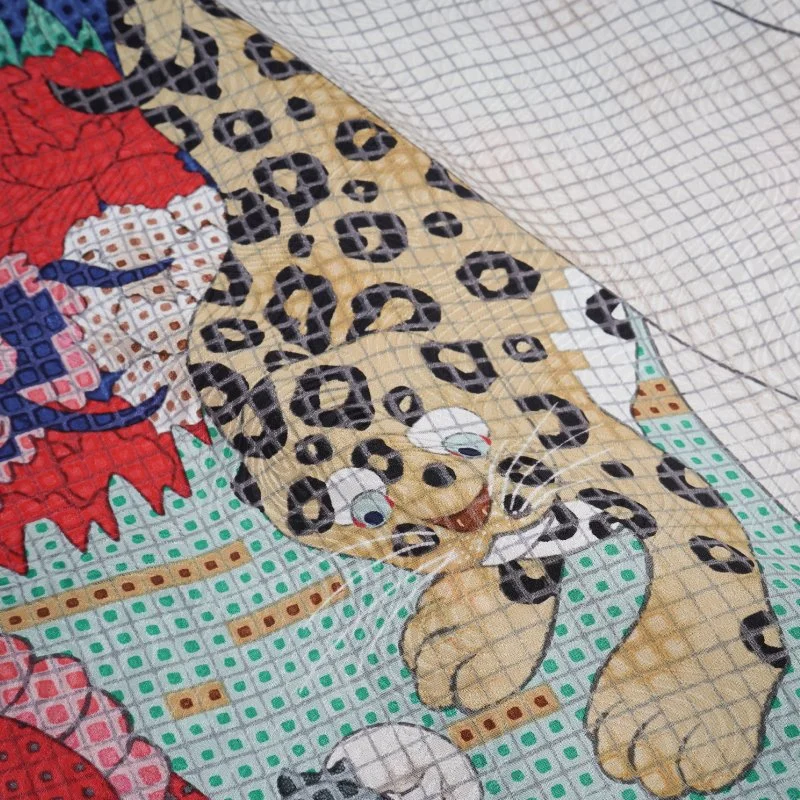
• Birds and Animals in the Flower Garden 鳥獣花木図屏風
Each aloha shirt is crafted using lightweight silk fabric that feels soft, breathable, and comfortable even during the hottest summer days. Whether you are traveling, attending festivals, relaxing on vacation, or simply enjoying everyday life, these shirts are designed to add elegance and individuality to your summer wardrobe.
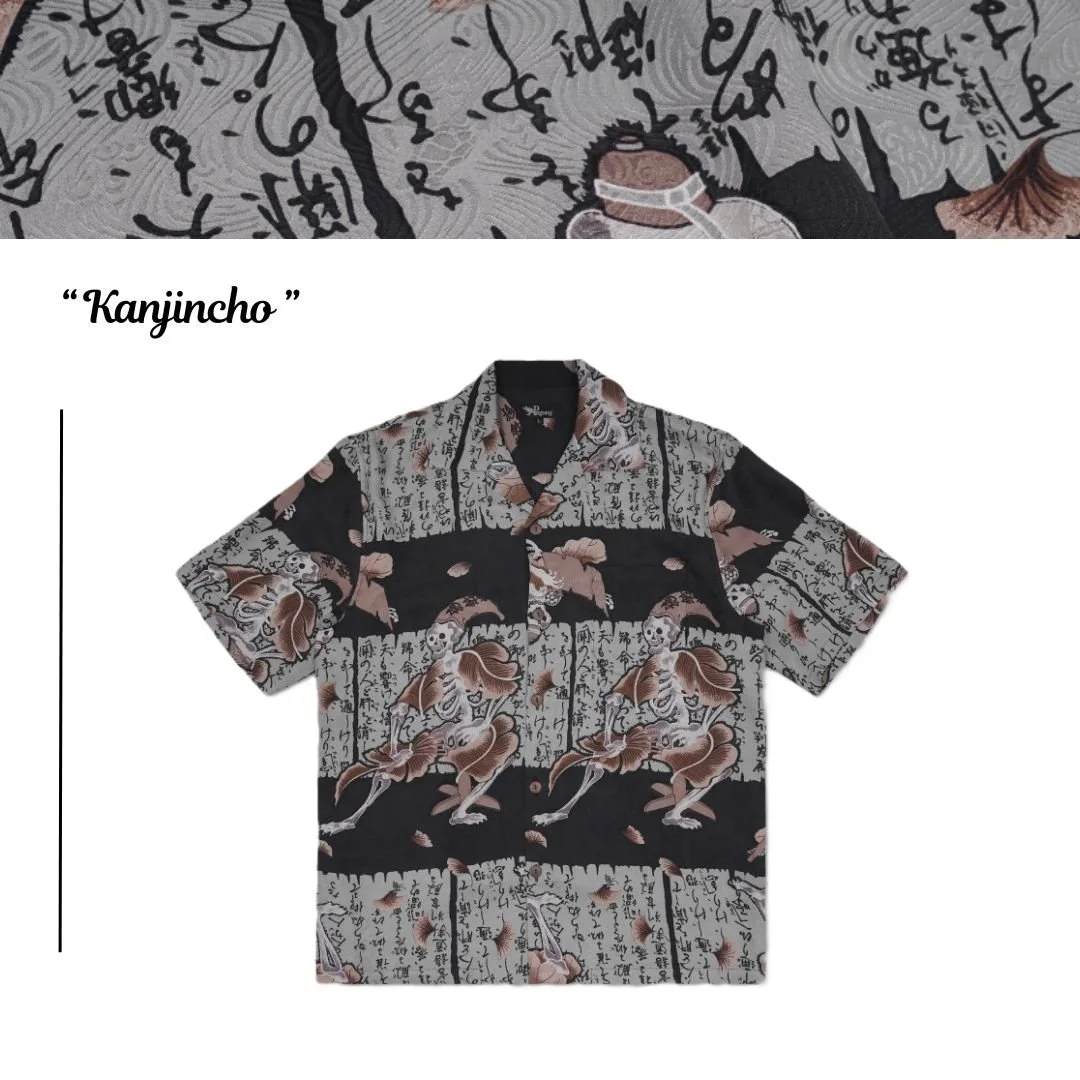
This design draws inspiration from a dramatic moment in the Kabuki play Kanjinchō, set at the Ataka Barrier.
It captures a scene of tension, loyalty, and sacrifice—where devotion is tested and revealed through bold, decisive action.
In this interpretation, the figures are rendered as skeletons, transforming the narrative into something both striking and symbolic. The use of skeletal forms adds a layer of abstraction, emphasizing emotion and intensity over realism, and giving the scene an eerie yet captivating presence.
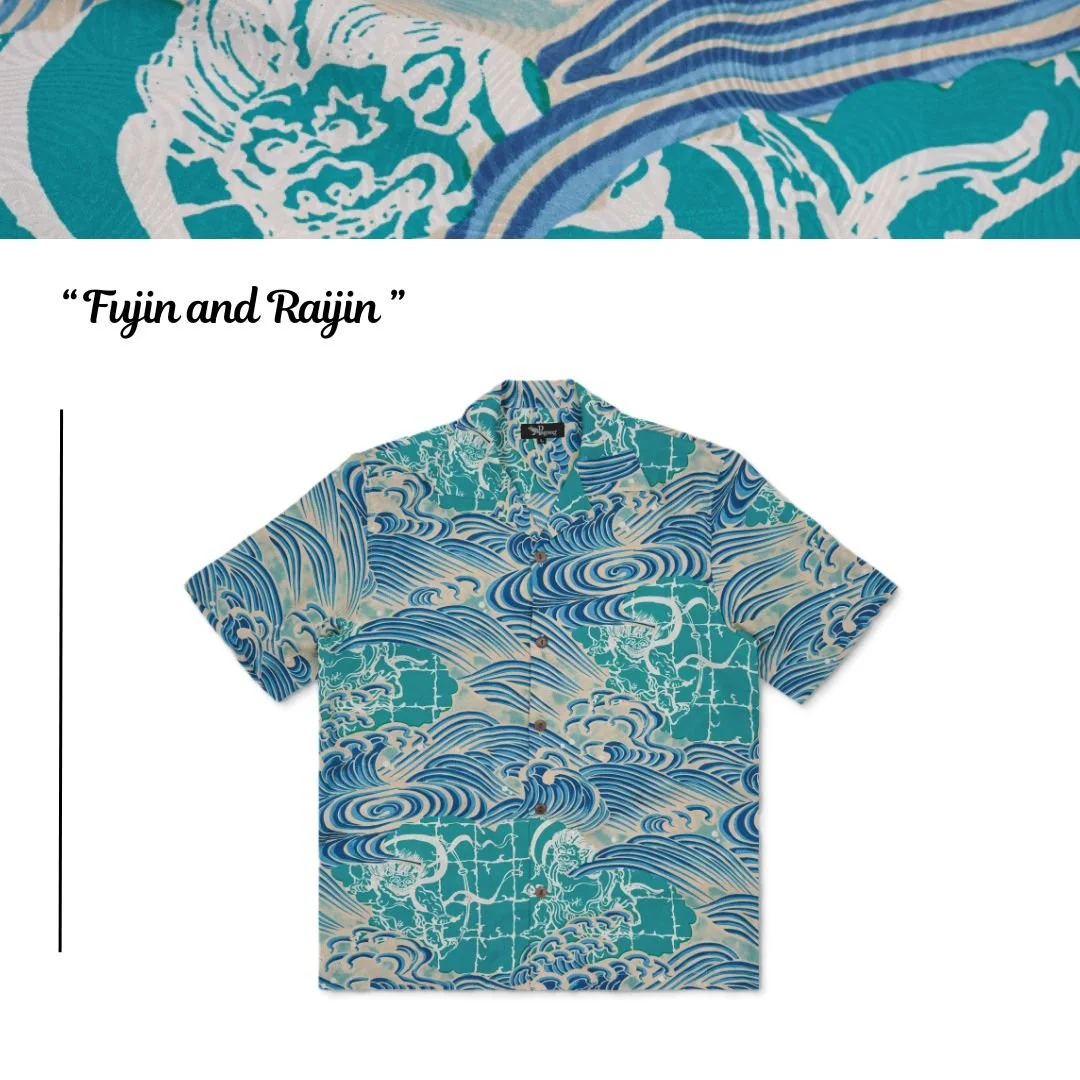
The Wind and Thunder Gods Screen was first painted in the early Edo period by Tawaraya Sōtatsu, a founding figure of the Rinpa tradition. It was later reinterpreted in the mid-Edo period by Ogata Kōrin, from whom the name “Rinpa” is derived. In the late Edo period, Sakai Hōitsu—considered the founder of the Edo Rinpa school—created his own version inspired by Kōrin’s work, which was further echoed by his disciple Suzuki Kiitsu.
By combining the blessings of the wind and thunder gods with the enduring symbolism of waves, this pattern expresses a wish for a life filled with lasting happiness and prosperity.
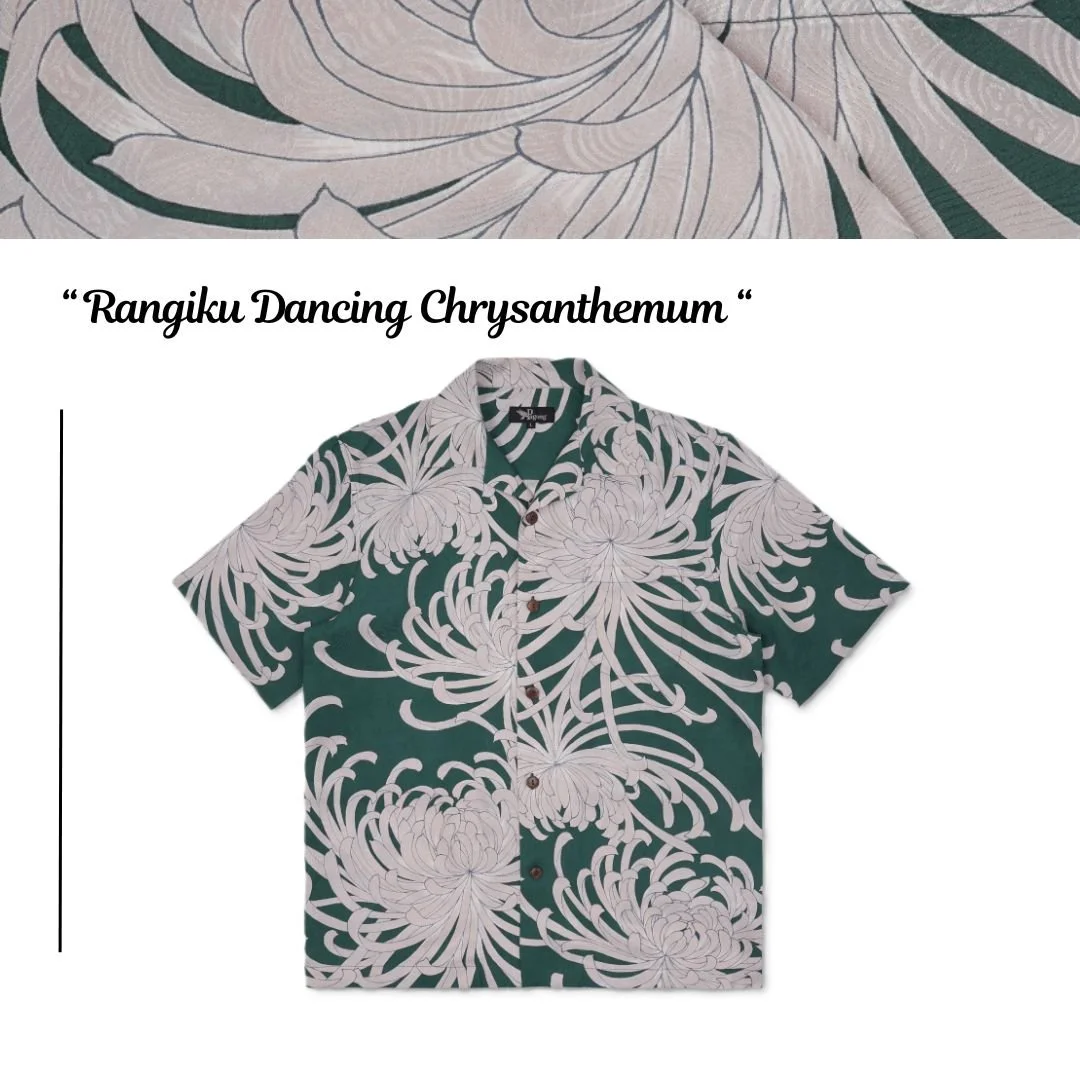
The chrysanthemum is one of the most familiar and beloved motifs in Japan.
It became especially popular as a design for kimono and obi during the Meiji period. In Japan, the chrysanthemum has long been associated with the imperial family, and fabrics featuring this motif were widely produced.
Over time, it has become a flower deeply rooted in the Japanese heart—an enduring symbol of beauty, elegance, and cultural identity.
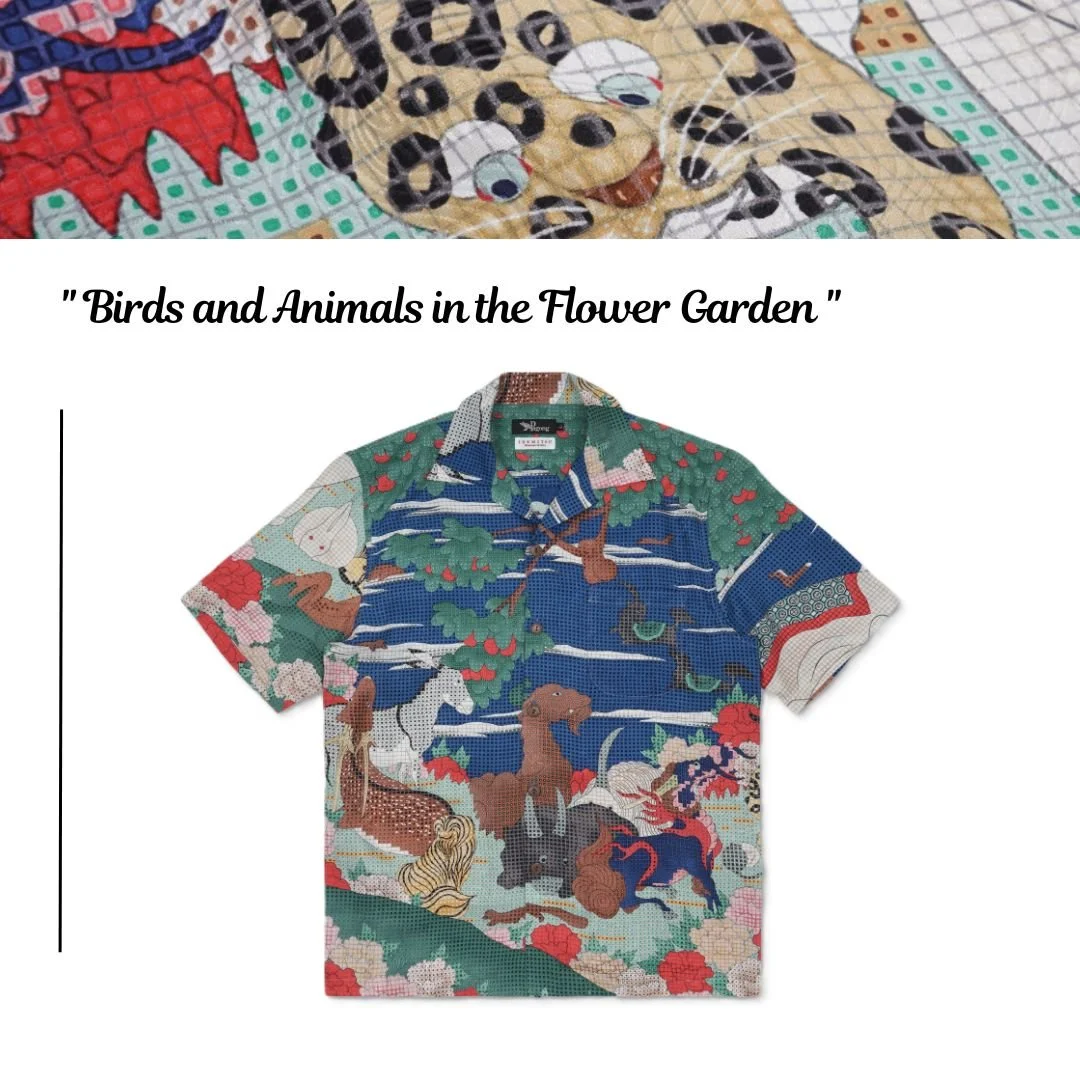
Ito Jakuchu (1716–1800) was a painter active in Kyoto during the mid-Edo period.
Born as the eldest son of the Masuya greengrocer on Nishikikoji Street in Kyoto, he inherited the family business at the age of 23 and took the name Ito Genzaemon IV. At 40, he passed the business to his younger brother and retired, devoting the rest of his life entirely to painting.
With the cooperation of the Idemitsu Museum of Arts, Pagong has undertaken a Kyoto Yuzen dyeing project to recreate Ito Jakuchu’s “Birds, Animals, Flowers, and Trees Screen,” formerly part of the Price Collection.
To celebrate the launch of our Summer Collection, free international shipping will be available on all orders over $150 from May 30th to June 7th.
We hope you enjoy our newest Summer Collection and discover a design that brings joy to your summer season.
Thank you very much for your continued support of Pagong Kyoto.