
Butterfly
蝶 - Cho
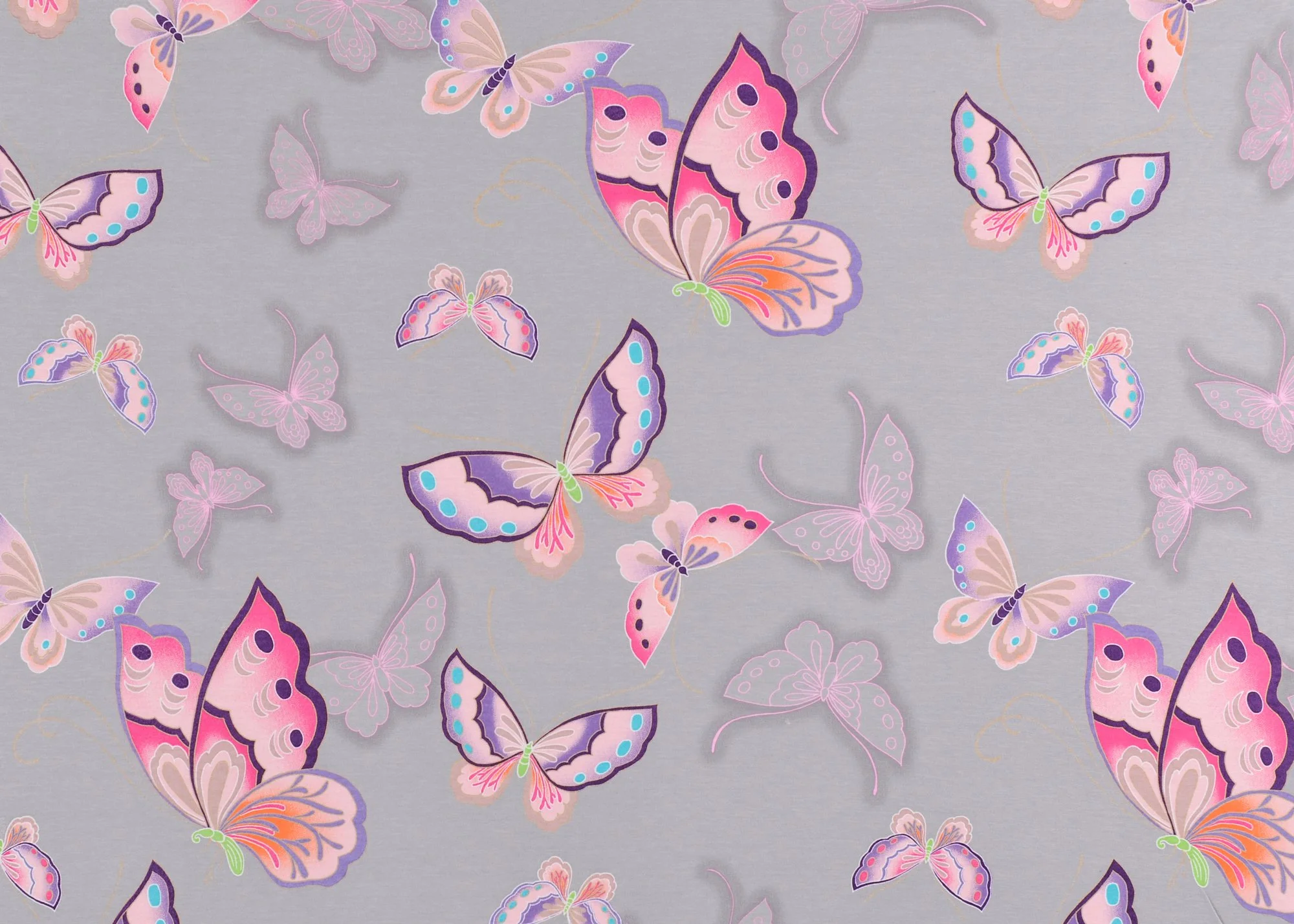
The Story of the Butterfly Pattern
Butterflies began to appear as decorative motifs in Japan around the Nara period, often depicted alongside flowers and birds in crafts and textile designs. From the mid-Heian period onward, as they were incorporated into the formal patterns of court attire, butterflies came to be appreciated as independent motifs, admired for their delicate beauty and graceful movement.
Since ancient times, the butterfly’s mysterious transformation—from egg to caterpillar, to chrysalis, and finally into a winged form—has inspired symbolic interpretations. This process was often associated with the soul’s journey, embodying the idea of transformation and transcendence.
As beings that gain wings and move freely between earth and sky, butterflies came to be seen as symbols of rebirth and resurrection, carrying a quiet sense of spiritual elegance and otherworldly grace.
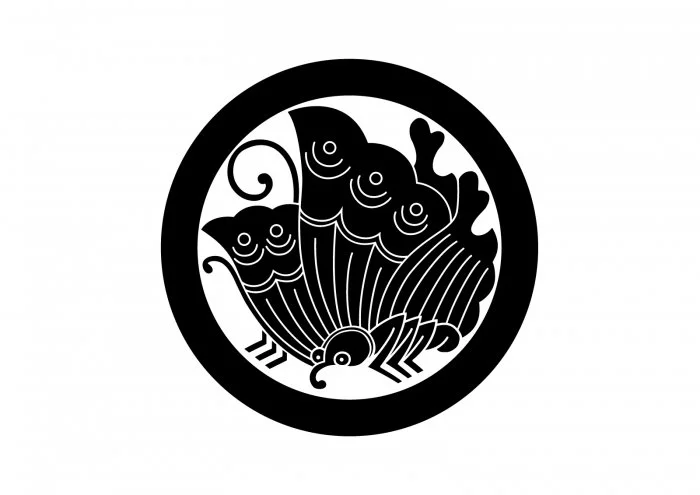
The butterfly motif was especially favored by samurai as a symbol of immortality and eternal life, making it a powerful emblem for those heading into battle. Its transformation and ability to take flight came to represent the soul’s transcendence beyond life and death.
In particular, the Taira clan made frequent use of butterfly imagery on armor and battle surcoats, later adopting the swallowtail butterfly as their family crest. This association further elevated the butterfly’s status as a symbol of elegance, resilience, and noble lineage.
Because butterflies undergo a process of metamorphosis—emerging from their cocoon as beautiful winged beings—they also came to be regarded as auspicious motifs symbolizing success, advancement, and personal transformation.