
Tefu Tefu
てふてふ
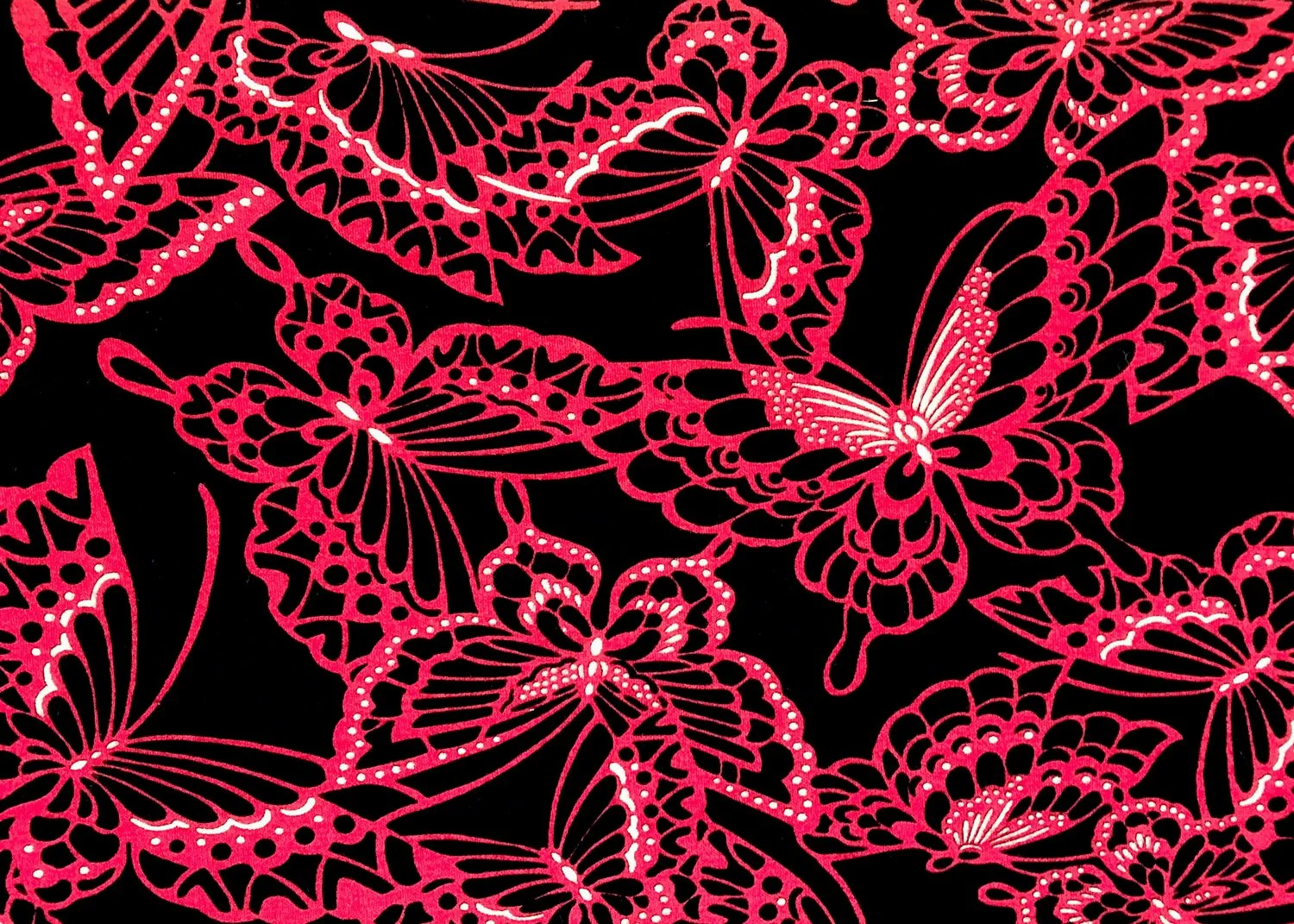
The Story of the Tefu Tefu Pattern
Butterflies have long been cherished as motifs for their graceful form and the mystical nature of their transformation from egg to winged being.
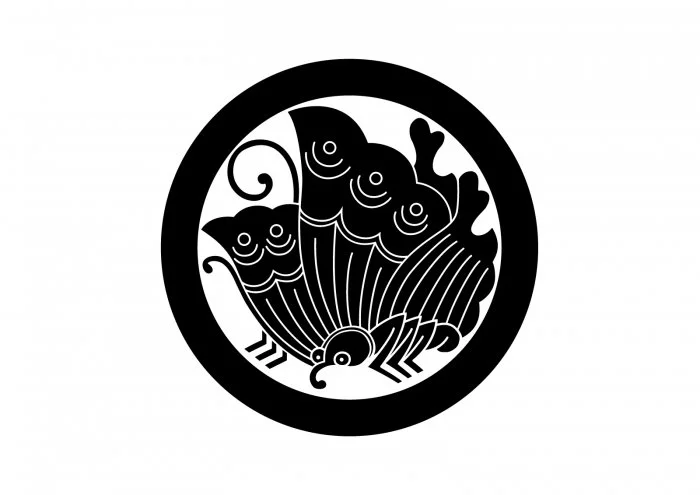
After hatching into a caterpillar, the butterfly enters a chrysalis stage—seemingly lifeless—only to emerge as a beautiful creature that takes flight. This powerful image of transformation and rebirth resonated deeply with samurai, who embraced the butterfly as a symbol of immortality. Living constantly at the threshold between life and death, they sought to embody the butterfly’s mysterious strength as well as its beauty, incorporating it into their crests and emblems.
The butterfly also appears in classical performing arts, most notably in the Noh play Kocho (“Butterfly”). In this story, a monk dwelling in the mountains of Yoshino travels to the capital in early spring, where he admires the plum blossoms blooming in delicate colors at an old palace. A butterfly spirit appears and laments her inability to be present among the early blossoms, asking the monk to recite a sacred sutra on her behalf. That night, as the monk chants and falls asleep, the spirit appears in his dream, dancing joyfully—at last able to connect with the blossoms—before vanishing into the light of dawn. Centered on the butterfly, the tale carries a gentle, uplifting atmosphere, echoing the vitality and promise of early spring.
In this pattern, butterflies are rendered in simplified line drawings, emphasizing their role as symbolic motifs rather than realistic depictions. Through the subtle interplay of line and color, these butterflies can appear lively, serene, or even powerful, revealing a wide range of expressions.
The Tefutefu pattern, in its refined simplicity, invites us to rediscover the many meanings held within the butterfly—beauty, transformation, resilience, and quiet strength.