
Peony and Chrysanthemum
牡丹と菊 - Botan to Kiku
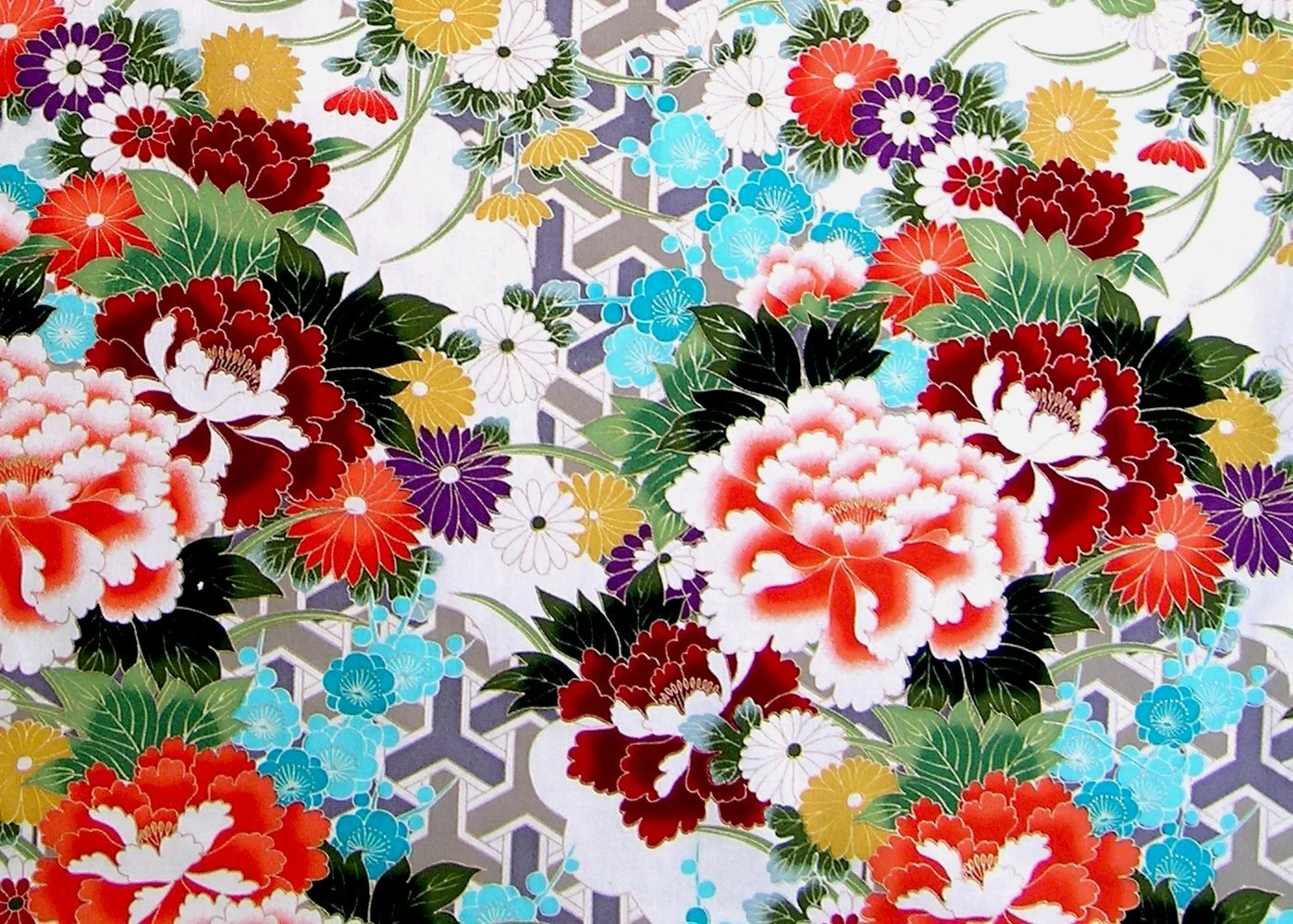
The Story of the Peony and Chrysanthemum Pattern
This pattern reflects the period around the early Showa era, a time when people dreamed of prosperity during years of rapid growth. It is a brilliantly ornate kimono design, suitable for young women to wear on formal occasions.
Centered around the peony—known as the “king of flowers”—a multitude of blossoms bloom in harmony, expressing wishes for peace and prosperity. The design follows the tradition of hyakkazu (a “hundred flowers” motif), symbolizing abundance, elegance, and a harmonious world.
A collection of classical auspicious flowers is beautifully arranged, while the Bishamon-kikkō pattern is stylized to resemble a decorative flower basket, creating the impression of a luxurious ikebana arrangement.
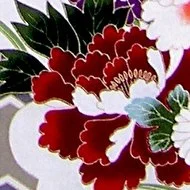
Peony
The peony, with its rich and magnificent appearance, is regarded as the “king of flowers” and a symbol of wealth and nobility. It is also associated with the attainment of prosperity and status. Peonies appear in classical literature such as The Pillow Book, indicating that they were appreciated by Heian aristocrats.
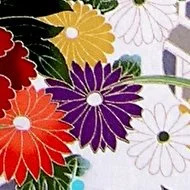
Chrysanthemum
The chrysanthemum has long been associated with longevity. Ancient legends tell of a youth who achieved extraordinary long life by drinking dew from chrysanthemum leaves, leading to its association with immortality. In Japan, this symbolism became part of court culture, and the Chrysanthemum Festival (held on September 9) was celebrated with poetry and chrysanthemum wine to pray for health and well-being.
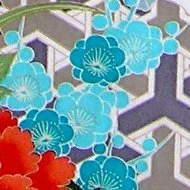
Plum Blossom
Blooming ahead of other flowers in the cold of late winter and early spring, the plum blossom symbolizes resilience and good fortune. Its graceful form and fragrance made it especially beloved in early Japanese poetry, including many verses in the Manyoshu, reflecting its deep cultural significance.
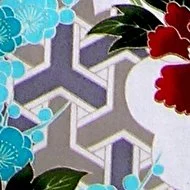
Bishamon-kikkō Pattern
The Bishamon-kikkō is a geometric pattern based on interlocking hexagonal shapes resembling a turtle shell. It is said to be inspired by the armor design associated with Bishamonten, a guardian deity, and is considered a symbol of protection and strength.