
Red and White Horizontal Bands and Cherry Blossom Design
紅白段桜花文摺箔 - Kōhaku dan ōkamon suri haku
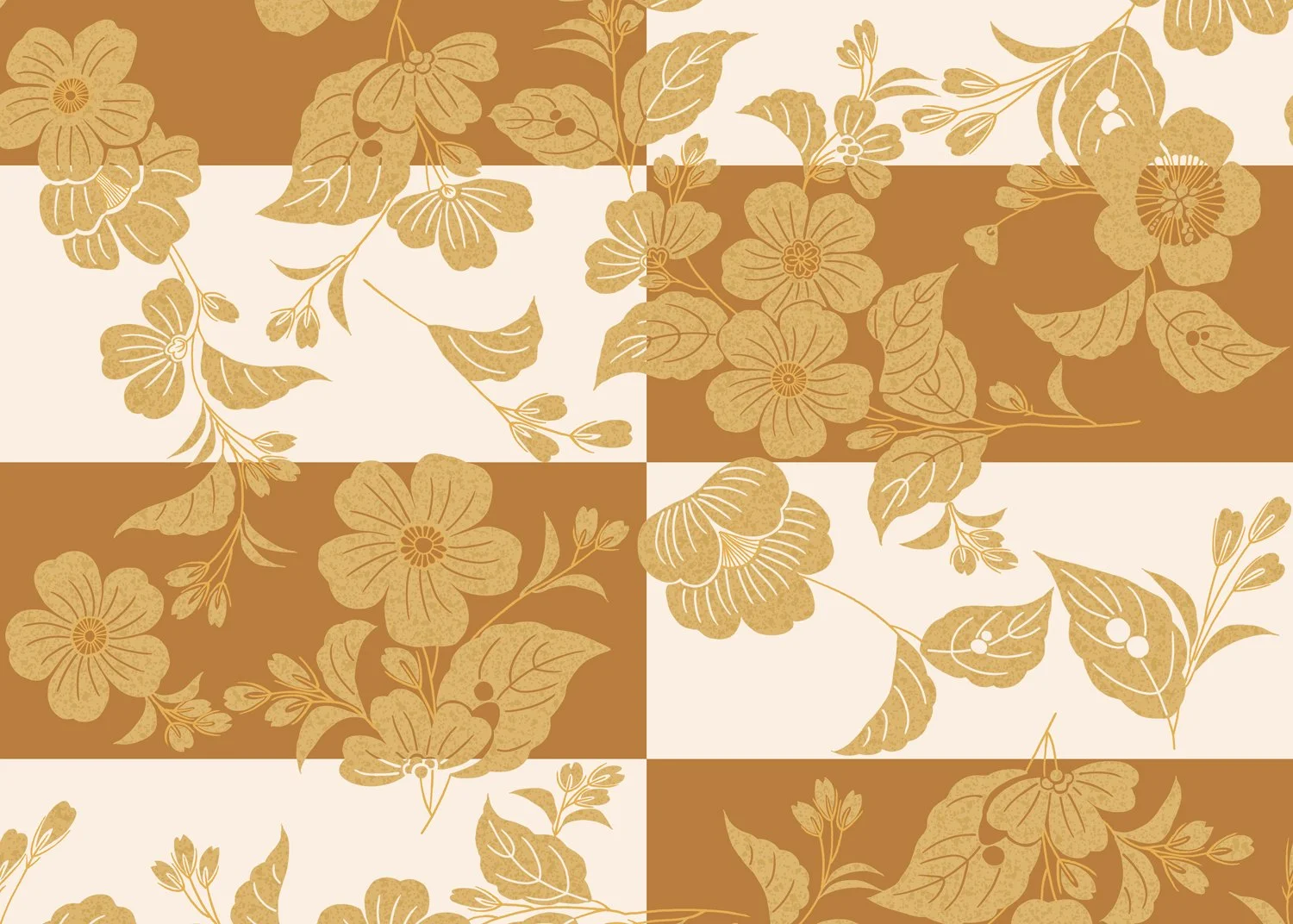
The Story of the Red and White Horizontal Bands and Cherry Blossom Design Pattern
In 2020, Pagong participated in a project led by the Kyoto Municipal Institute of Industrial Technology and Culture, presenting a contemporary reinterpretation of traditional Kyoto aesthetics under the concept theme:
“Momoyama Mode — a refined elegance with quiet grace.”
The project reimagined the world of Noh costumes held in the collection of the Hayashibara Museum of Art, adapting their visual language into modern lifestyle design, and presenting it from Kyoto to the world.
The Momoyama period in Kyoto was a time of transformation, when Japan opened itself to the world and actively embraced new cultural influences, including elements from the West. It was also a formative era in which many of today’s traditional Japanese arts were shaped and refined.
From the museum’s collection of outstanding Noh costumes from this period, the design “Kōhaku-dan Sakura Hana-mon Surihaku” was reinterpreted through Pagong’s Kyoto Yuzen dyeing technique.
“Momoyama Mode” is based on the elegant and delicate aesthetic spirit embodied in this motif, expressing a sense of refined beauty that feels both classical and contemporary.
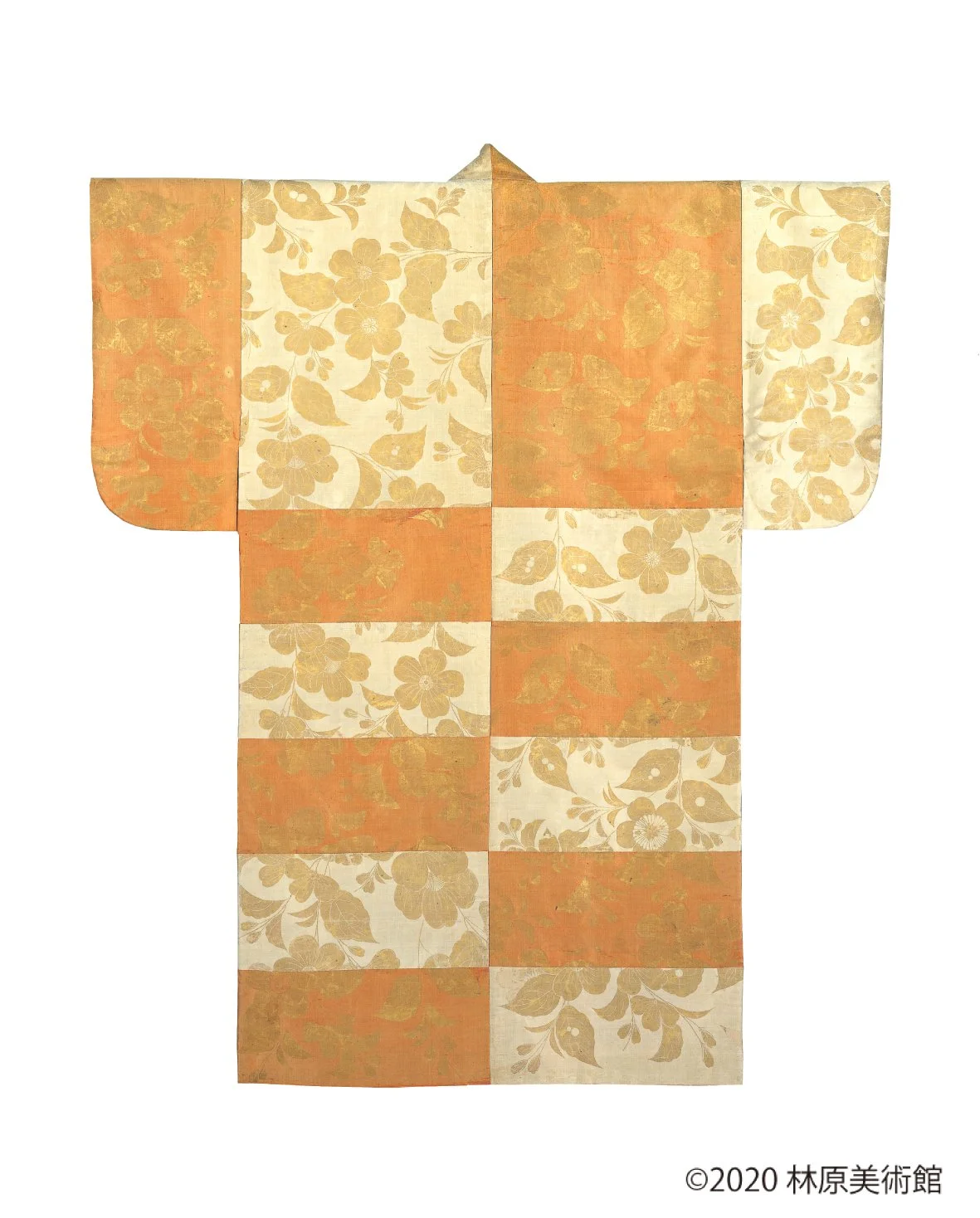
The original textile design, Noh Costume: Surihaku Kōhaku Dan Sakura Hanamon, is designated as an Important Cultural Property of Japan.
The upper section features a katami-gawari (split-design) in red and white dyeing, while the lower section is composed of alternating red and white textile panels sewn in stepped layers. It is known that this was originally a full katami-gawari composition, later reworked in the early Edo period into its current stepped arrangement below the waist.
Against the red-and-white ground, branches of weeping cherry blossoms are rendered through gold leaf surihaku decoration. The composition contrasts the bold, gracefully cascading flowers and leaves that extend from the shoulder with the delicate, fine branching structure, creating a striking visual tension.
Both in color and design, the work strongly reflects the aesthetic sensibility of the Momoyama period and stands as an outstanding example of its time.
Originally, such kosode garments were favored by women of the upper classes during the Momoyama period and later became established as part of Noh costume tradition. The stepped pattern composition evokes a sense of shifting time and emotion, while the delicate cherry blossoms suggest both gentle beauty and a quiet, dignified strength.
Overall, the colors and motifs express the youthful vitality and dynamic energy characteristic of the Momoyama period.