
Treasure
宝尽し - Takarazukushi
The Story of the Treasure Pattern
This auspicious pattern brings together a variety of lucky treasures, each symbolizing prosperity, protection, and good fortune. Originating from traditional Chinese auspicious motifs, it was introduced to Japan and gradually transformed into a distinctly Japanese aesthetic during the Muromachi period, eventually becoming widely used as a kimono design.
Each motif within the pattern carries its own symbolic story:
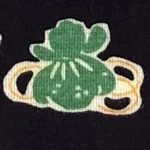
The money bag represents not only a purse for carrying coins but also a container for amulets, incense, and personal blessings—symbolizing abundance and spiritual protection.
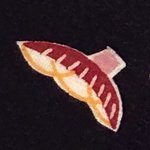
The hidden hat is a mystical object said to grant invisibility when worn, allowing one to escape danger and protect oneself from harm.
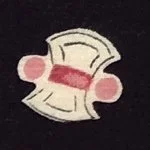
Weights were historically used for measuring valuable goods and were often crafted from gold or silver, symbolizing stored wealth and emergency reserves.
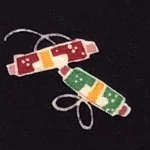
Buddhist scrolls represent sacred texts and hidden teachings, embodying wisdom, spiritual depth, and protection through knowledge.
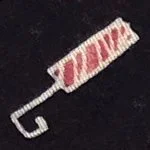
The treasure key symbolizes access and guardianship—protecting valuables and unlocking hidden spaces of fortune and inheritance.

Finally, cloves (chōji) were highly prized not only as a fragrance but also as a medicinal substance, symbolizing refinement, healing, and luxury.
This particular composition is found on the koshimaki—a summer ceremonial garment worn by high-ranking samurai women of the Shogunate and daimyo families during the Edo period. The koshimaki (a form of uchikake) was worn over a katabira kosode with a narrow obi, then elegantly draped over the knot, creating a layered and highly formal silhouette. With its dark brown ground and richly embroidered treasure motifs, it is considered equivalent in formality to a winter uchikake.
Later, this treasure motif design was adapted into dyed komon kimono patterns, allowing its symbolism of wealth, protection, and prosperity to become more widely appreciated.