
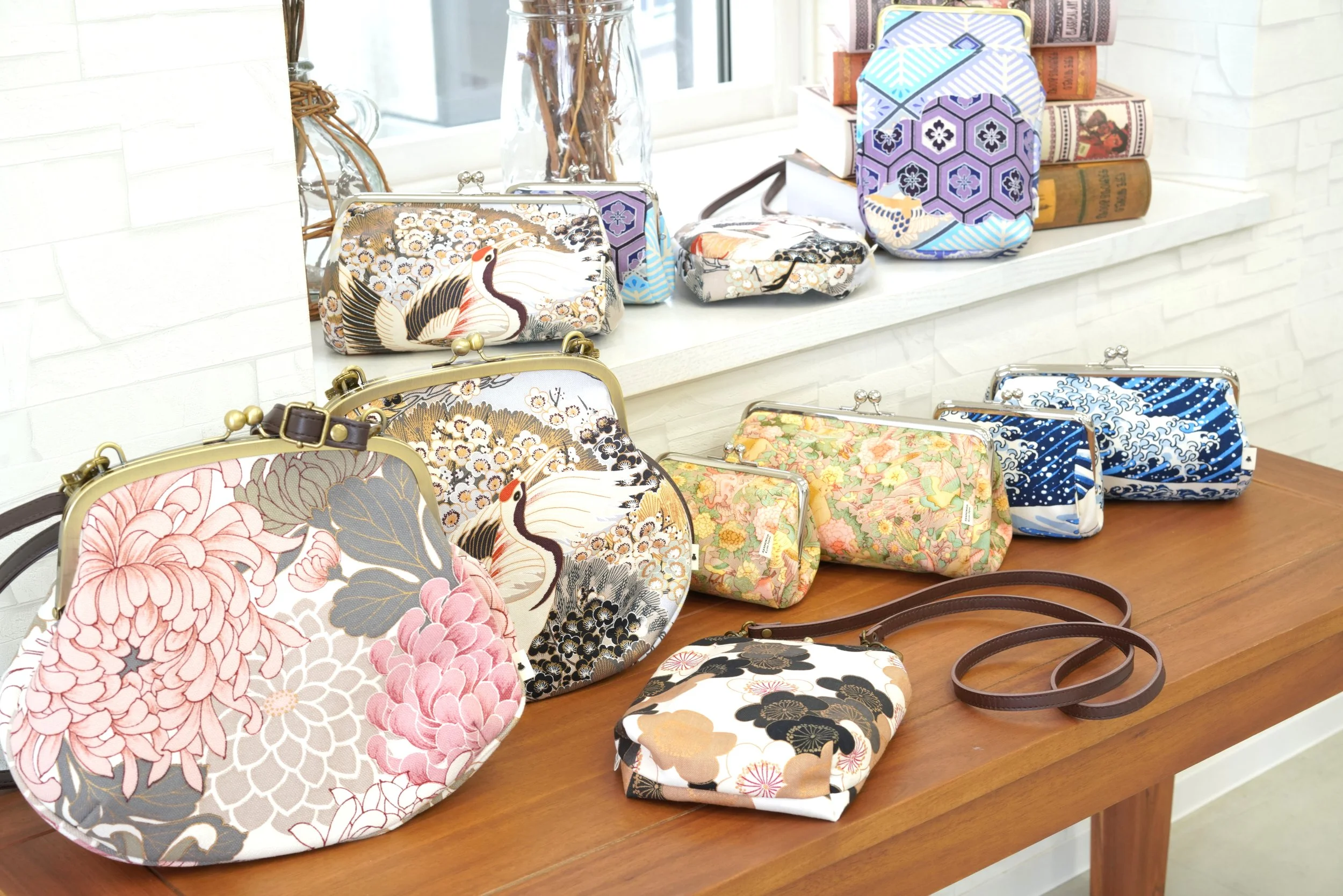
New Arrivals
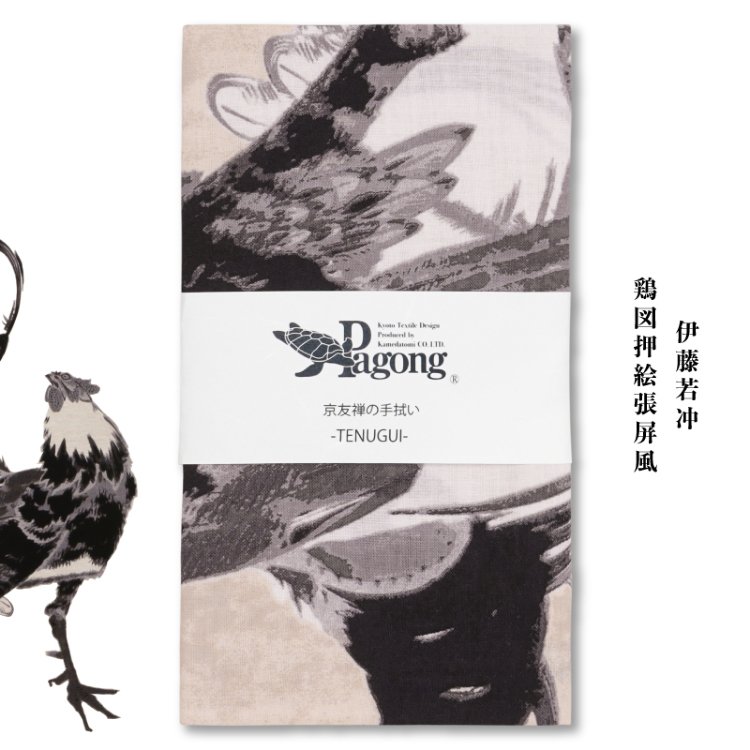
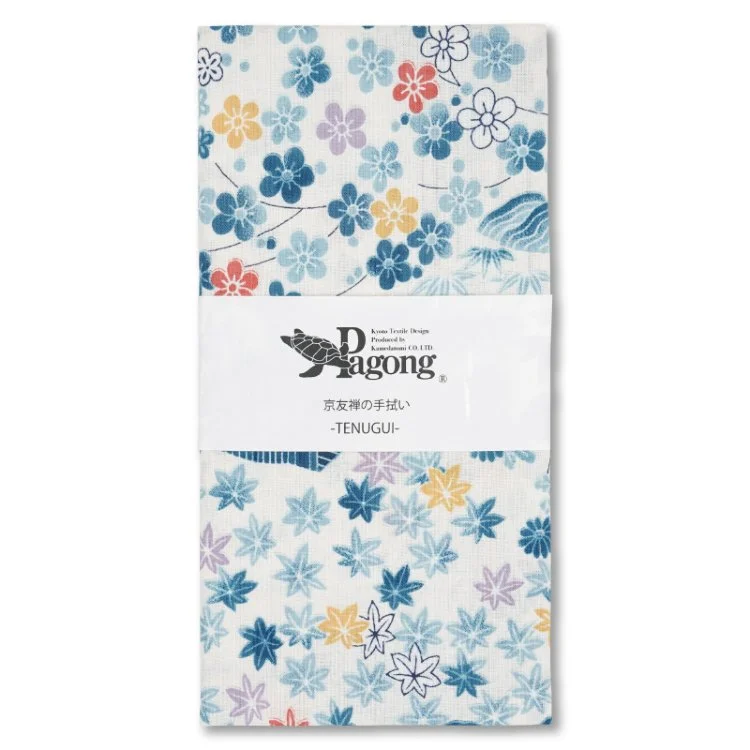
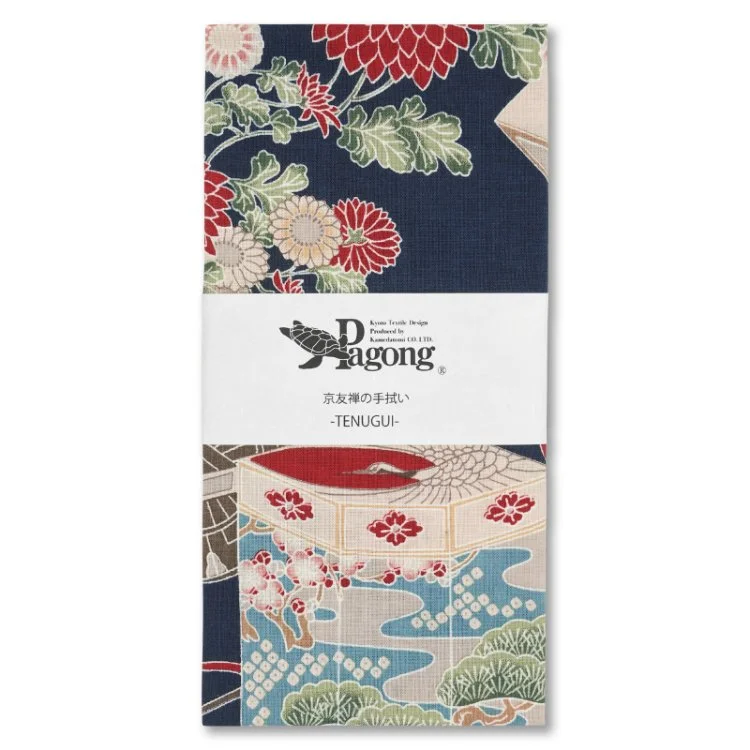
Tour & Gift Card
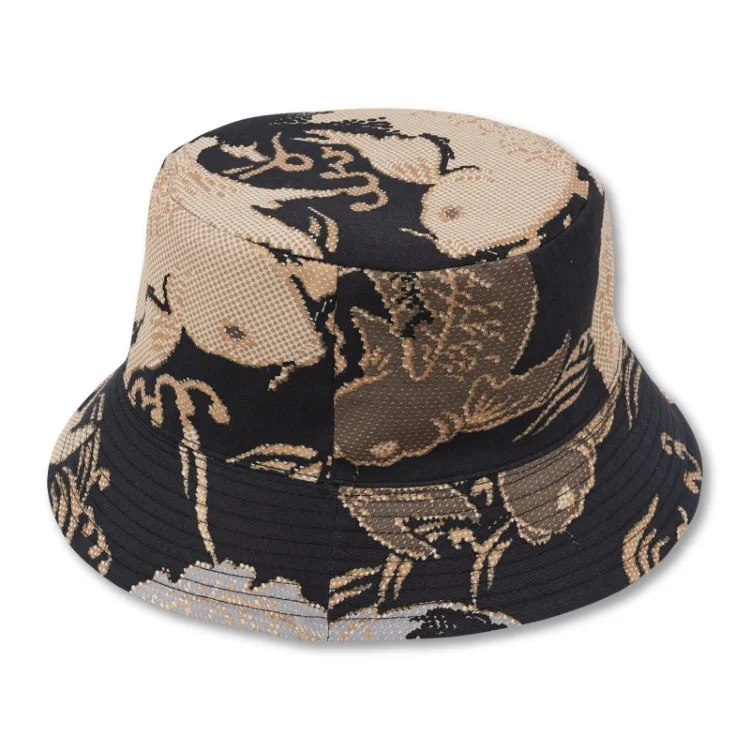
Hat
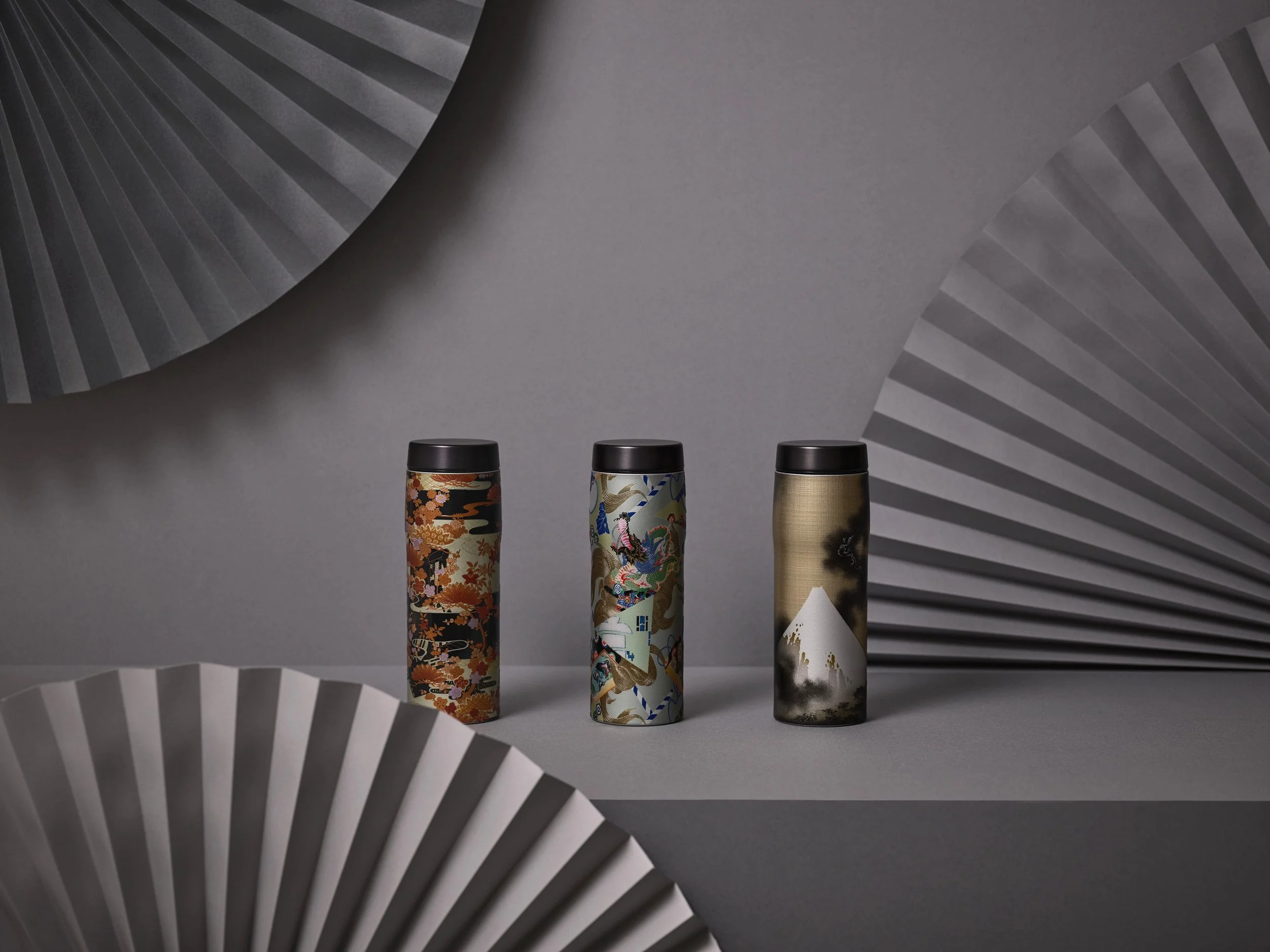
Kimono Bottle
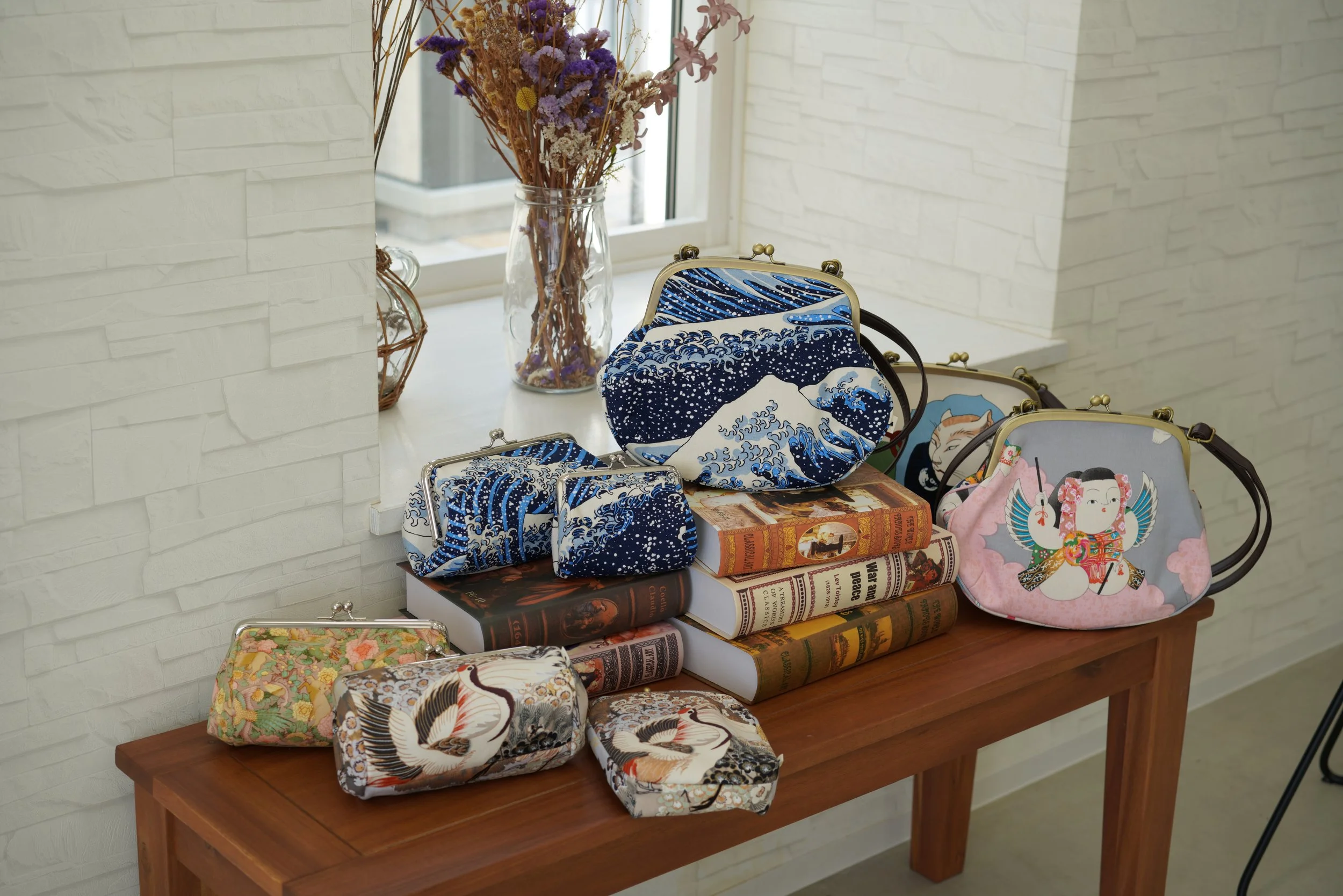
Bags
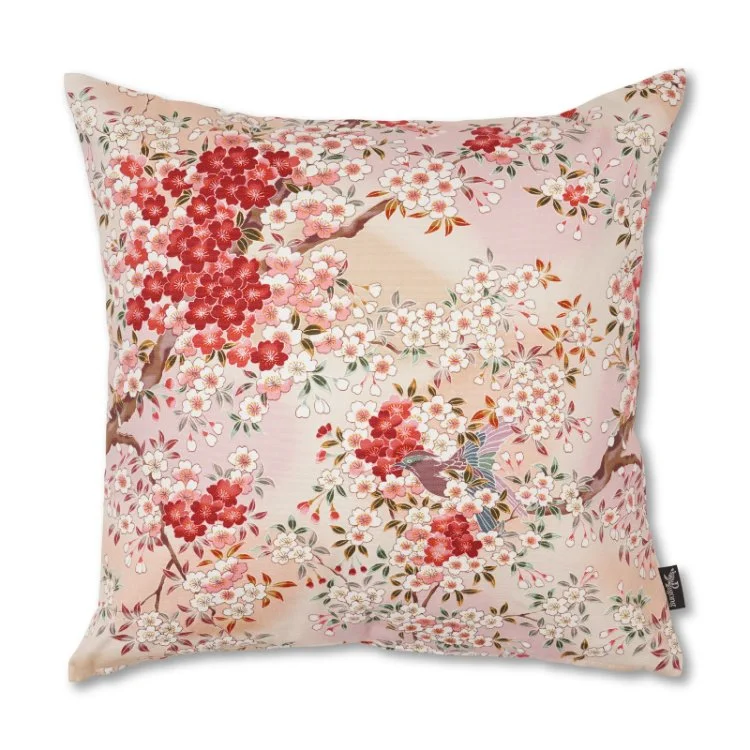
Interior
Kimono Bottle
Tiger Corporation and Kamedatomi Pagong Collaboration
Tiger Corporation, which marked its 100th anniversary in 2023, collaborates with Kameda Tomizome Factory (Pagong), a Kyoto-based atelier specializing in traditional Yuzen hand-printing since the Taisho era.
This second series of vacuum-insulated bottles faithfully reproduces rich colors and intricate patterns using modern technology. Each piece features a subtle three-dimensional, tactile finish, blending heritage craftsmanship with contemporary design.
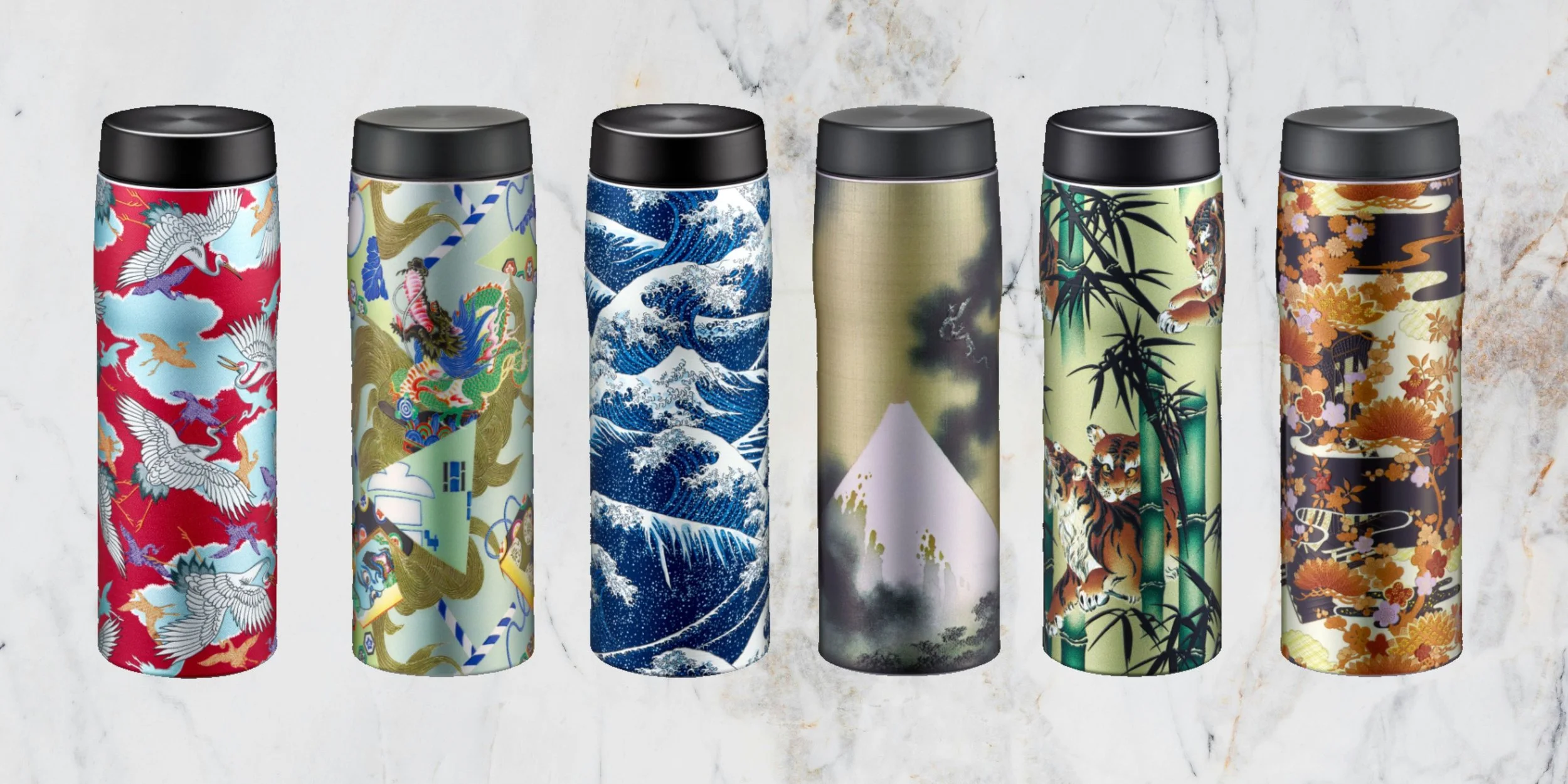
New Pattern
New Pattern - Fans of the Kyoto Summer Serenity
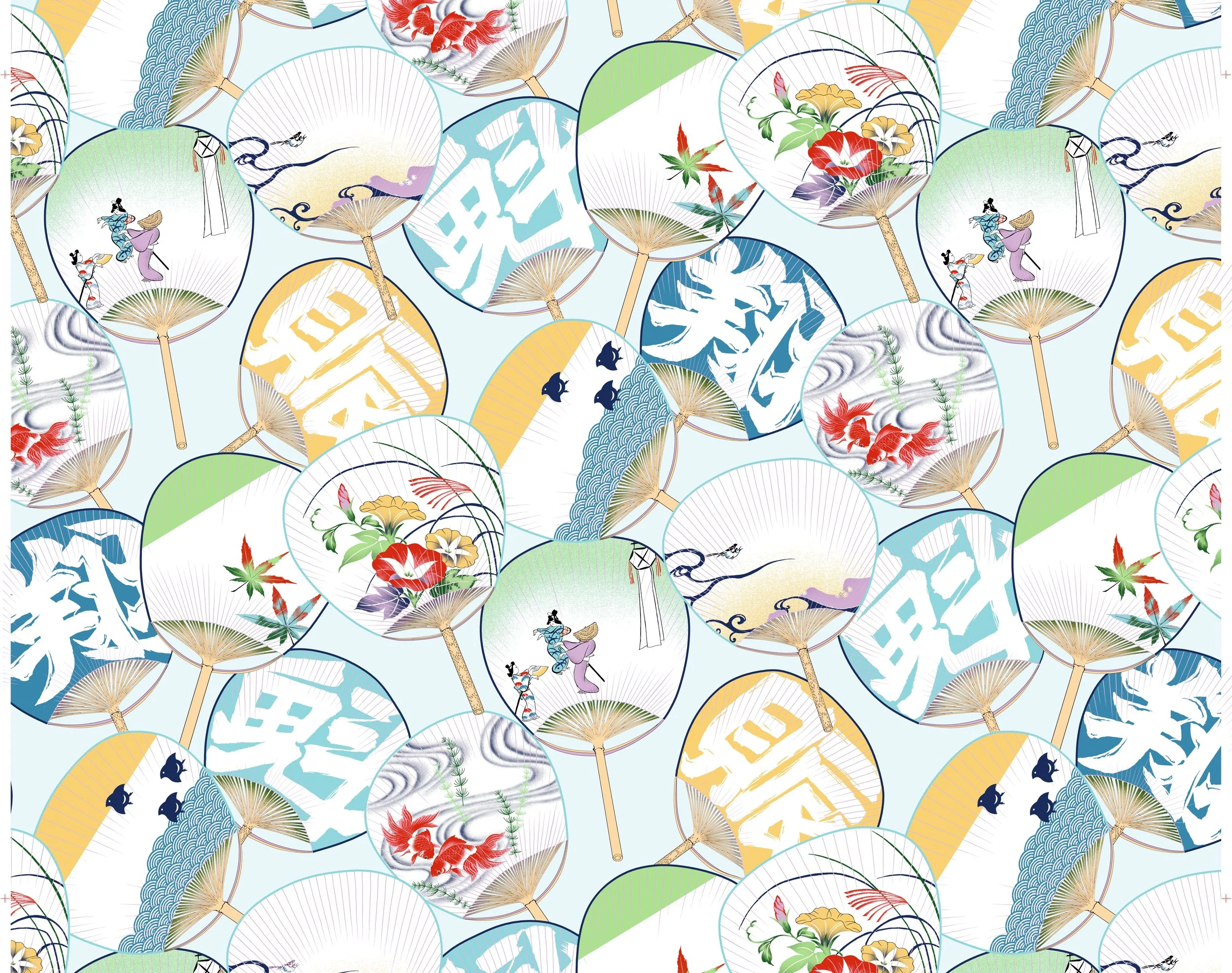
Inspired by Kyoto-style uchiwa fans, long cherished in daily life as symbols of comfort and coolness, this design expresses Kyoto’s distinctive elegance and the longing for purity and serenity amid the summer heat.
Pagong Choice


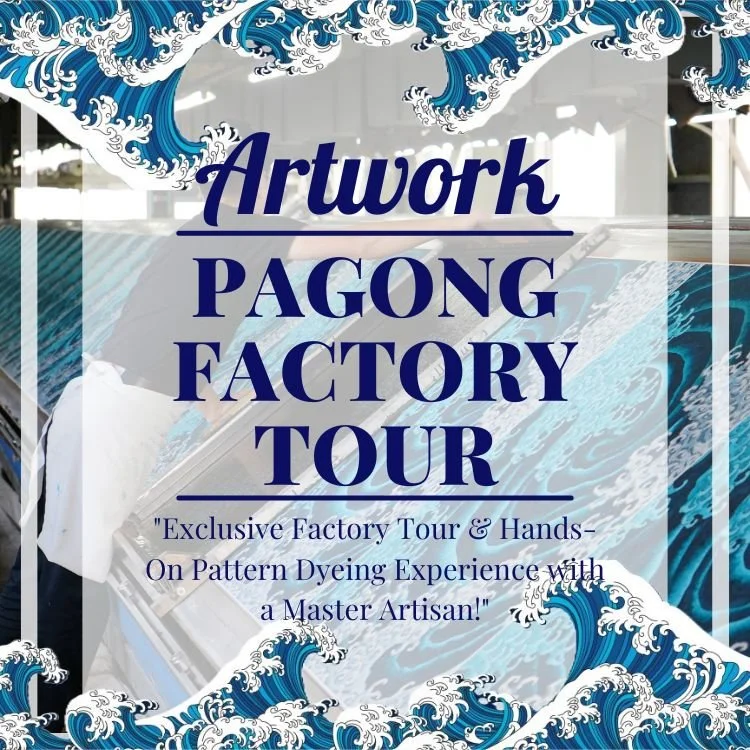
PAGONG TOUR 2026
Dyeing Pattern: “Hokusai’s Great Wave”
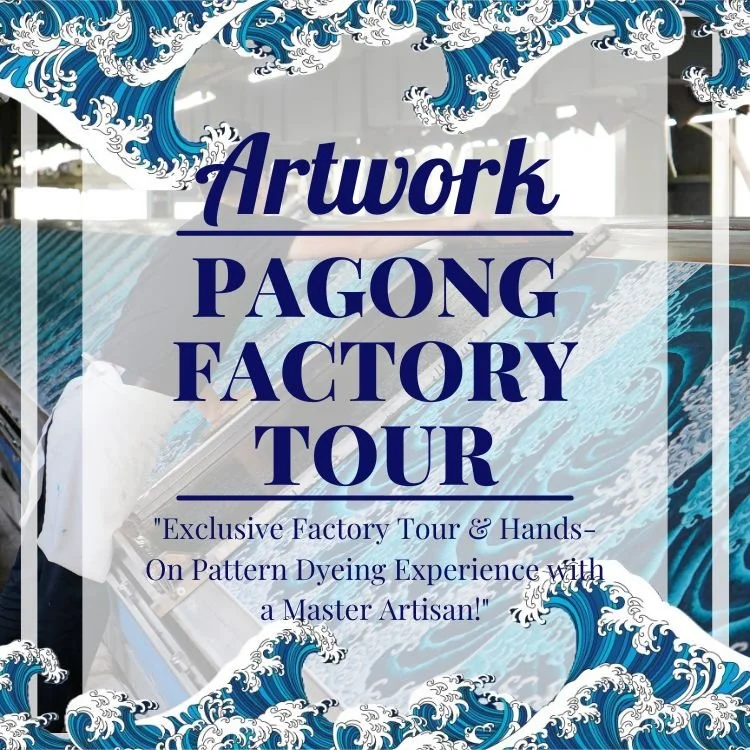
We sincerely appreciate your continuous support. We are delighted to share this exciting news with you!
We are organizing the Pagong Factory Tour 2026 – a special event designed just for you. This tour is not only an opportunity to explore our factory but also a chance to experience pattern dyeing firsthand! You will be guided by our master artisan and receive step-by-step instructions on this traditional craft.
Additionally, each participant will receive a tote bag.
We can make tote bags from the material you have dyed and send to your address. However, please note that it will take about one month.
Color / Black and Gold Care Instruction
Japanese name/ 鯉 (KOI)
-About-
In Japan, the carp or koi, represents good luck, prosperity, and good fortune. Also, the word “koi” is pronounced the same as another word meaning love and affection.The legend of “The Dragon’s Gate on The Yellow River” is well-known in Japan. The story tells of a carp swimming up a waterfall, evolving into a dragon, which ultimately leads to enlightenment. Based on this legend, Japan has the custom of “Koinobori“, or the displaying of “flying” fish banners on Boy’s Day, with the hope that their male child or children become dragons (great men) in the future.Being highly respected and closely tied to Japan’s national identity, the carp signifies perseverance (due to the tendency of fish to swim upstream), and steadfastness, for the overcoming of obstacles with ultimate victory, no matter what the odds.Color is also relevant when it comes to traditional Japanese carp. Blackcarp symbolize loveand the facing of challenges, with redcarp indicating energy and vitality. The most highly-prized is the white carp, with a red dot on its forehead which resembles the Japanese flag.
Actual items may look slightly different than their photo depending on cutting.
・Size:8.2 x 5.7 x 1.7 inch
・Belt :47 inch
・Made in Japan
・Currency : US Dollar (USD)