Color/ Black Care Instruction
Japanese name/額波 (Gakunami)
-About-
What is now commonly referred to as tattoos or body art was traditionally known in Japan as horimono—literally “carved designs.” Among these, the distinctive traditional style is called wabori, meaning “Japanese-style tattooing.”
The origins of tattooing in Japan are said to date back as far as the prehistoric era. Some theories suggest that forms of body marking existed even in ancient times.
Written records from the Yayoi period, such as the Records of Wei, describe how people decorated their faces and bodies with markings. This suggests that tattooing was already part of everyday life and cultural expression, deeply rooted in early Japanese society.
During the Edo period, tattooing developed into a form of fashion and self-expression. It became especially popular among men whose work involved physical labor and frequent exposure of the skin—such as firefighters, couriers, and carpenters.
For these individuals, tattoos were a way to express courage, pride, and personal identity. Elaborate and vividly detailed designs became a symbol of strength and spirit.
Some believe that tattoos also served a practical purpose: while minimal clothing allowed for greater mobility, body art provided a sense of dignity and visual presence when the body was exposed.
Another major influence on the popularity of tattooing was the Chinese classic Water Margin. Its heroic characters, often depicted with dramatic body tattoos, captured the imagination of people in Japan and inspired similar styles in tattoo art.
Over time, wabori evolved into a highly refined art form—combining storytelling, symbolism, and craftsmanship. Even today, it remains a powerful cultural expression, carrying with it layers of history, identity, and aesthetic tradition.
・Made in Kyoto
・Kyo-Yuzen dye method
・Hand-wash
・Currency : US Dollar (USD)

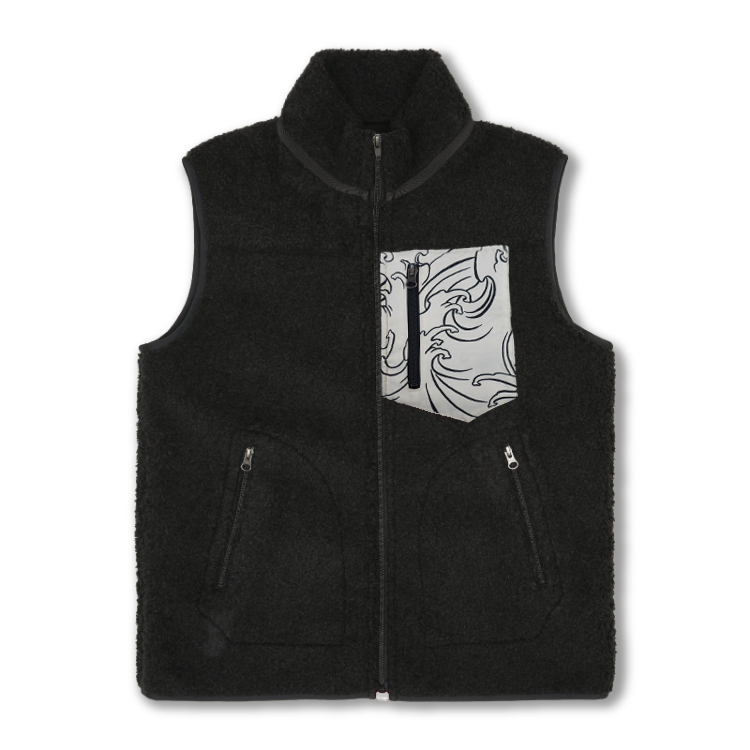 Image 1 of 7
 Image 2 of 7
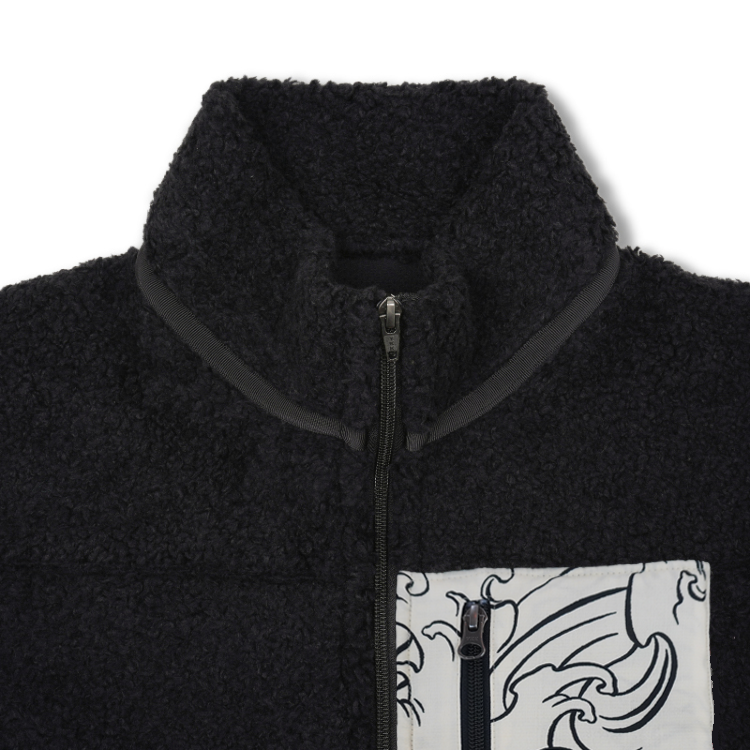 Image 3 of 7
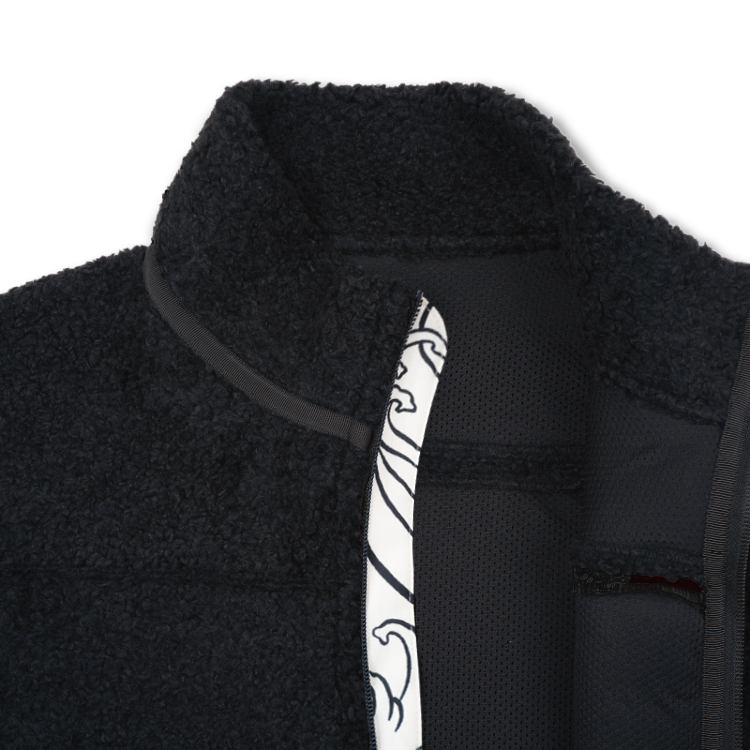 Image 4 of 7
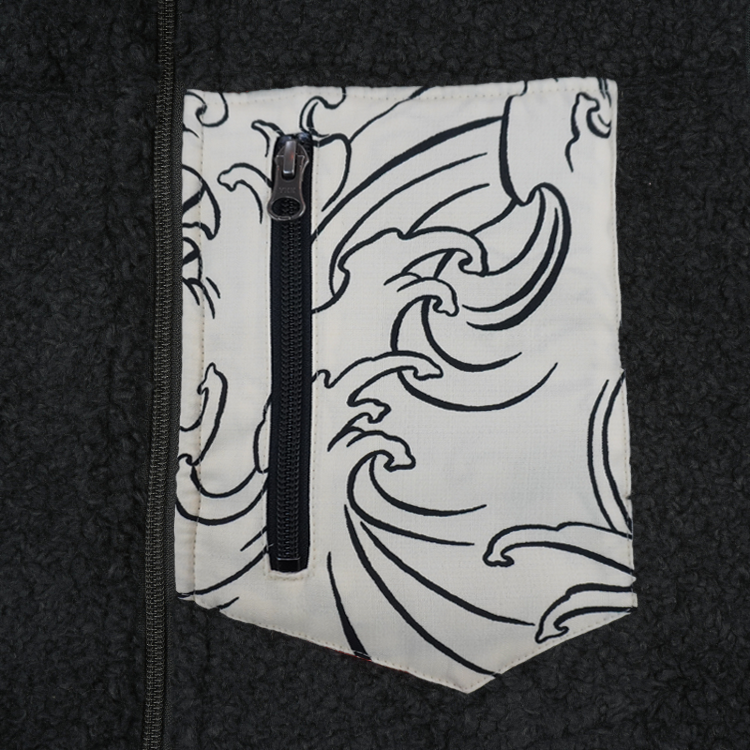 Image 5 of 7
 Image 6 of 7
 Image 7 of 7


