
New Arrivals
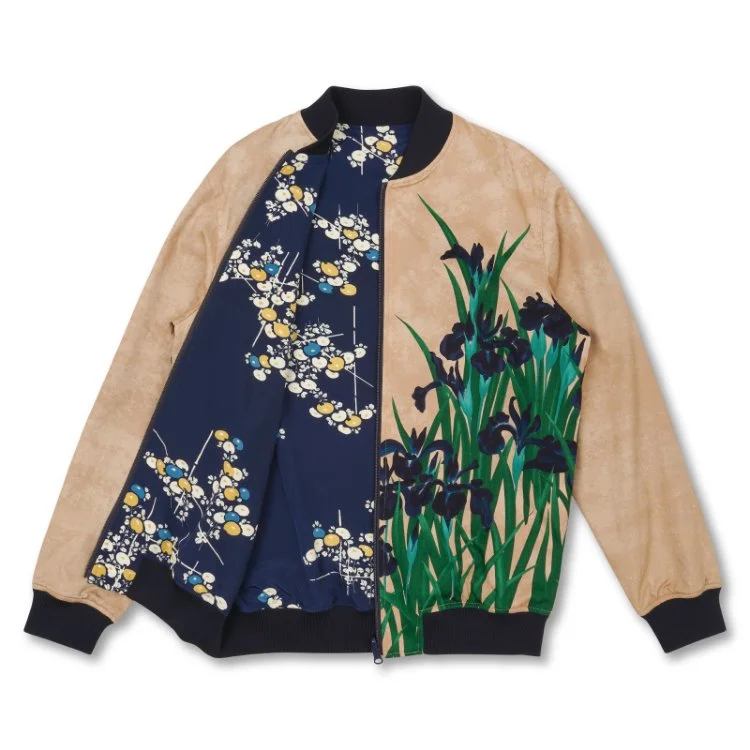
Jackets
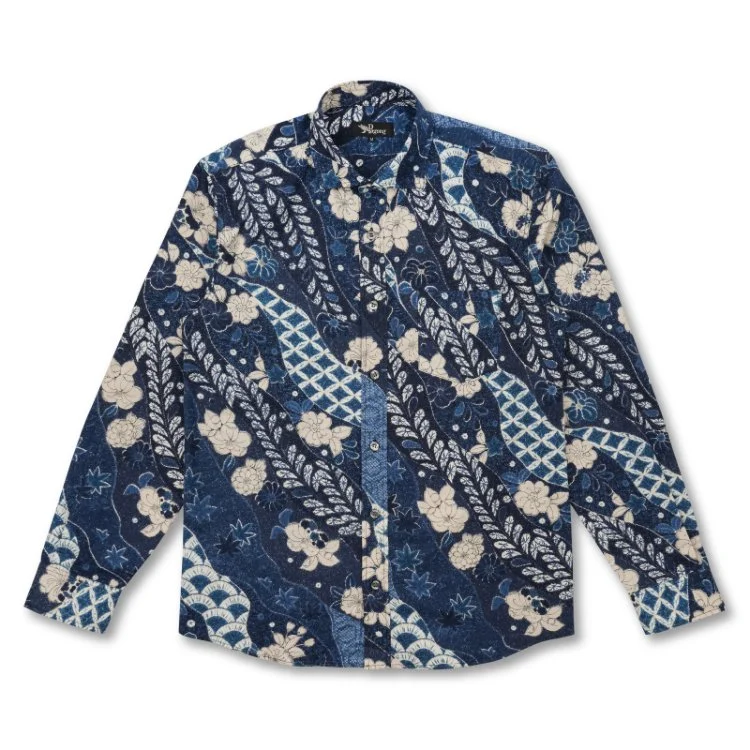
Shirts
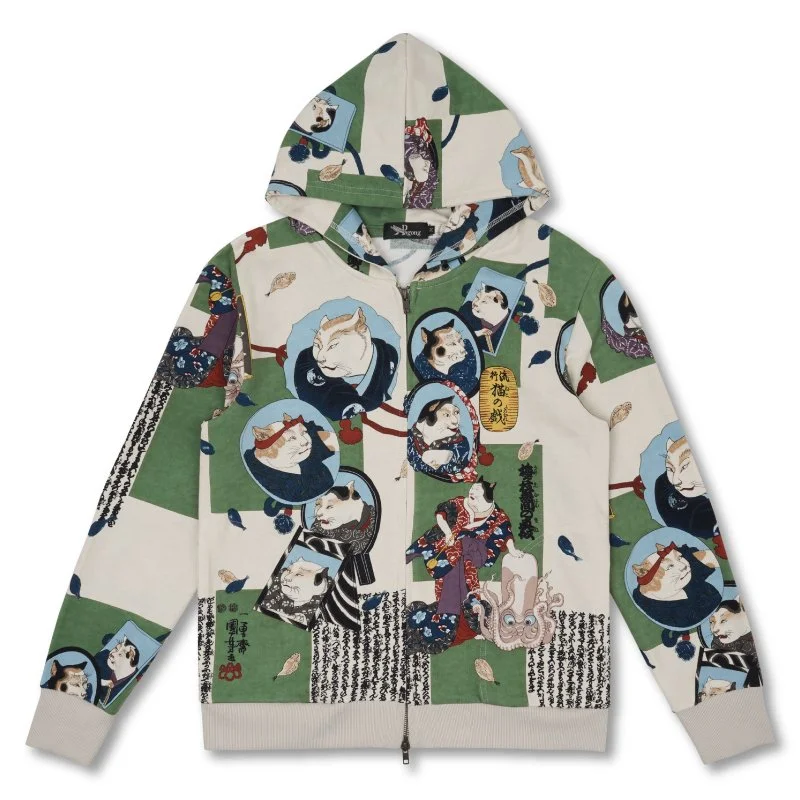
Hoodies

Cardigans
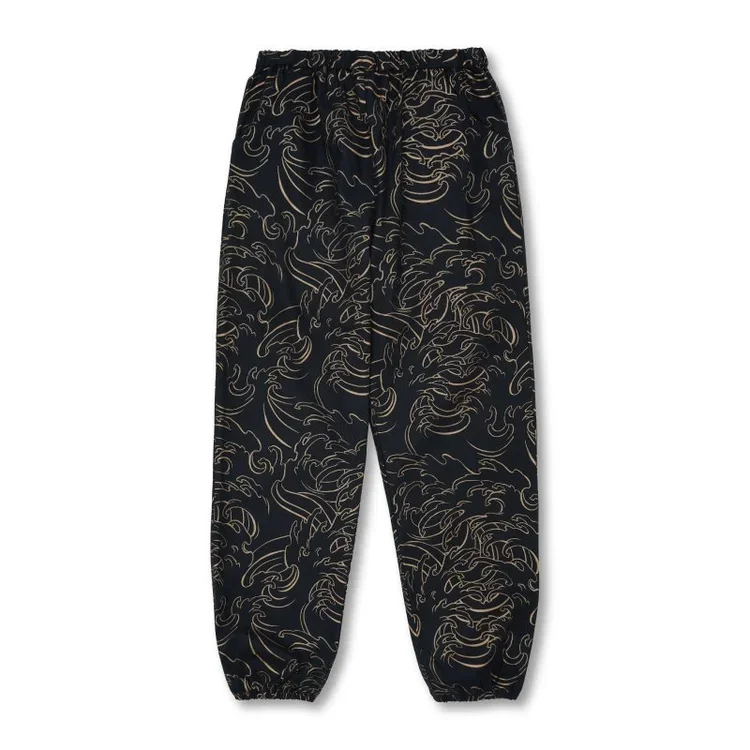
Pants
New Release
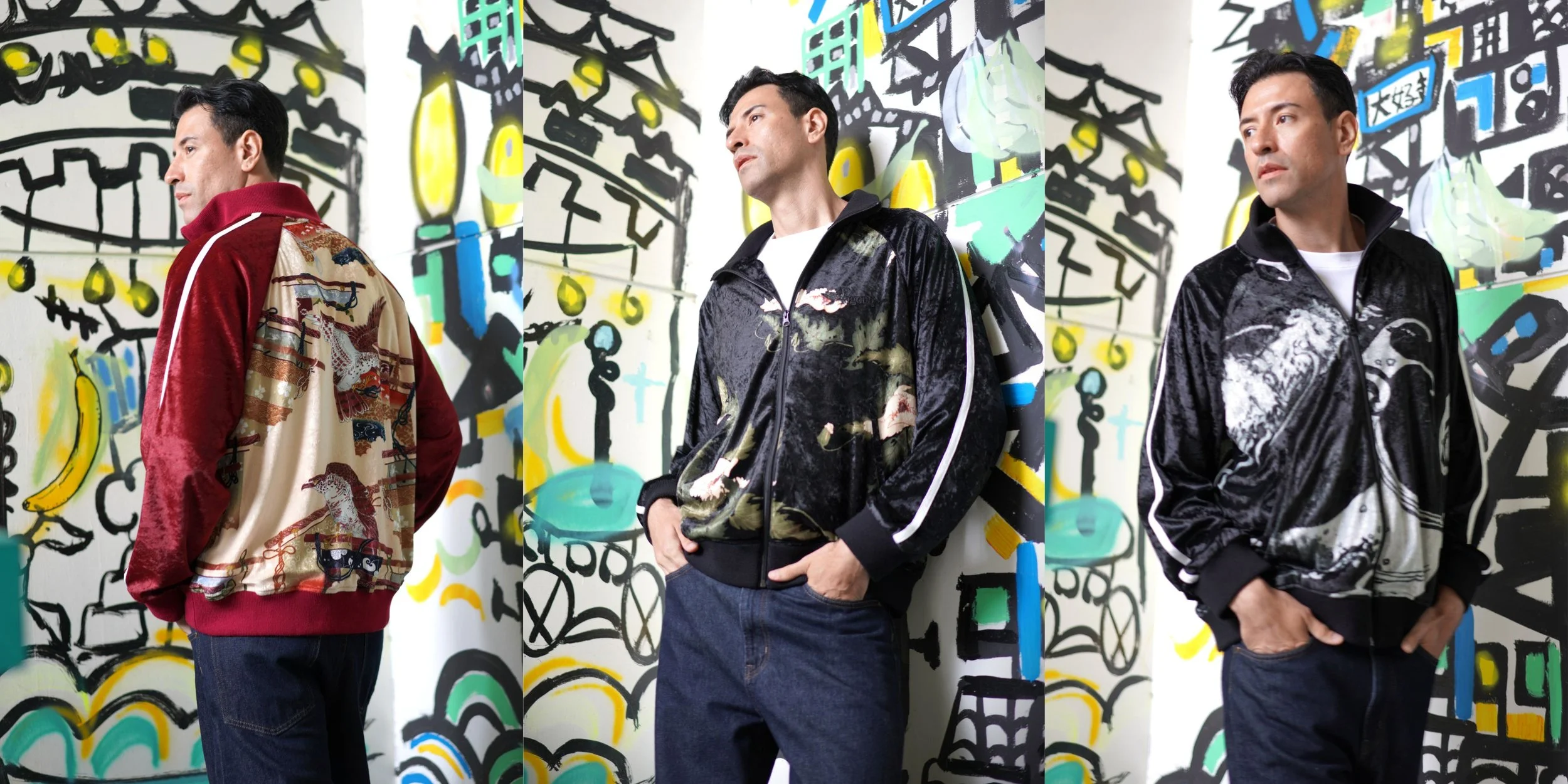
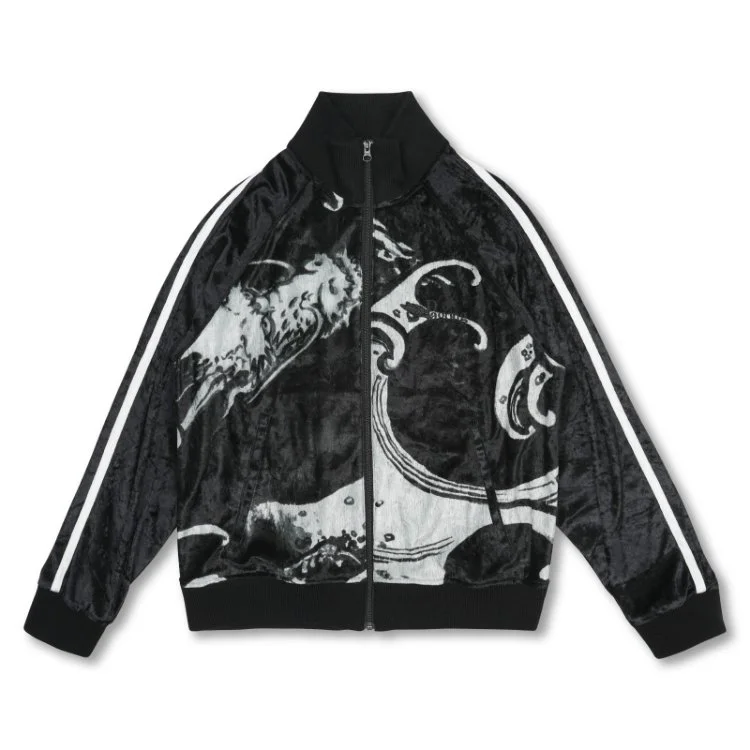
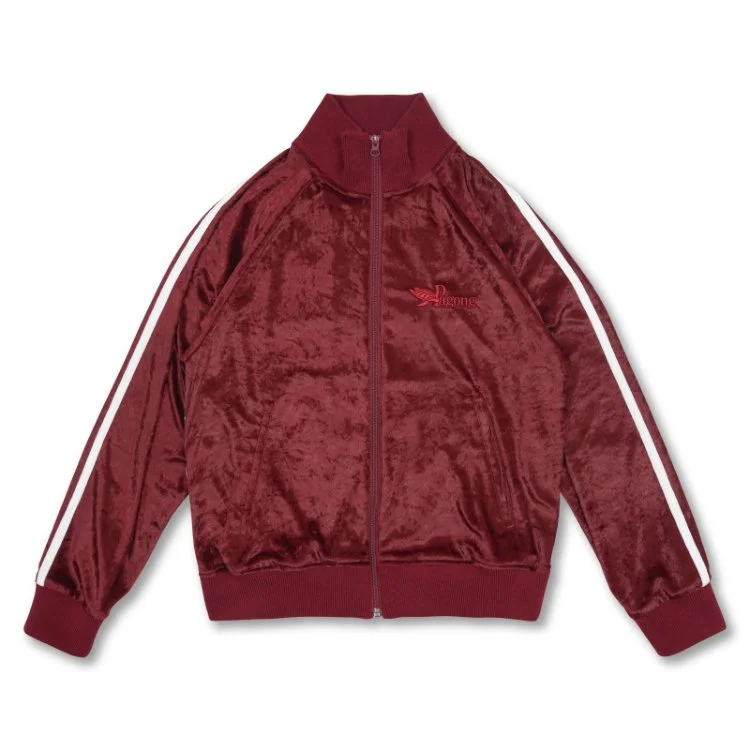
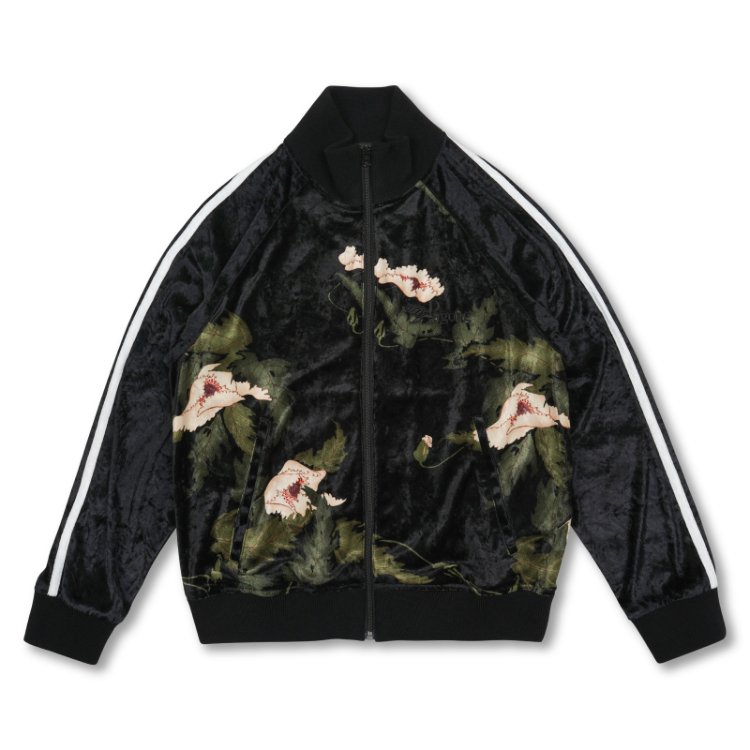
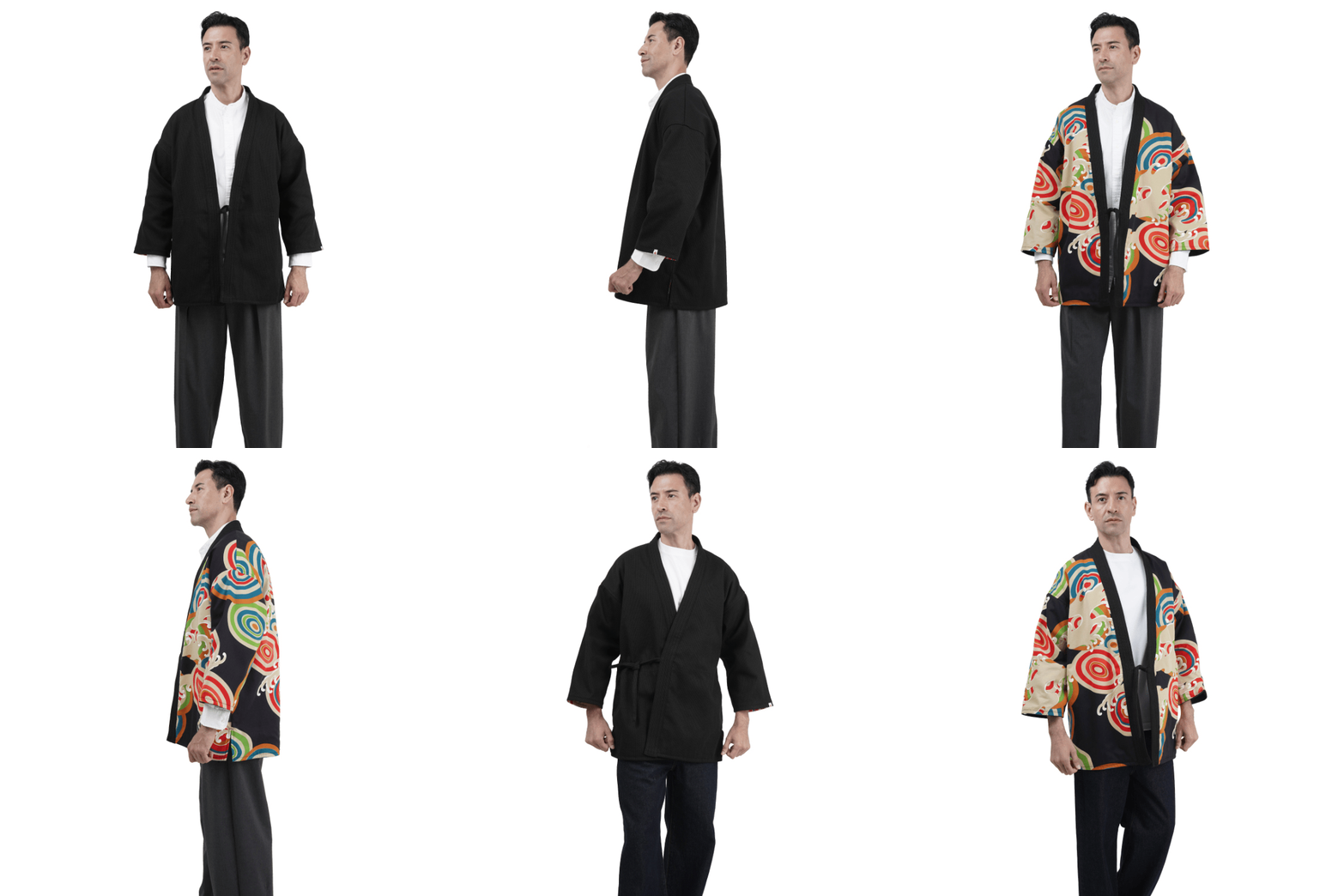
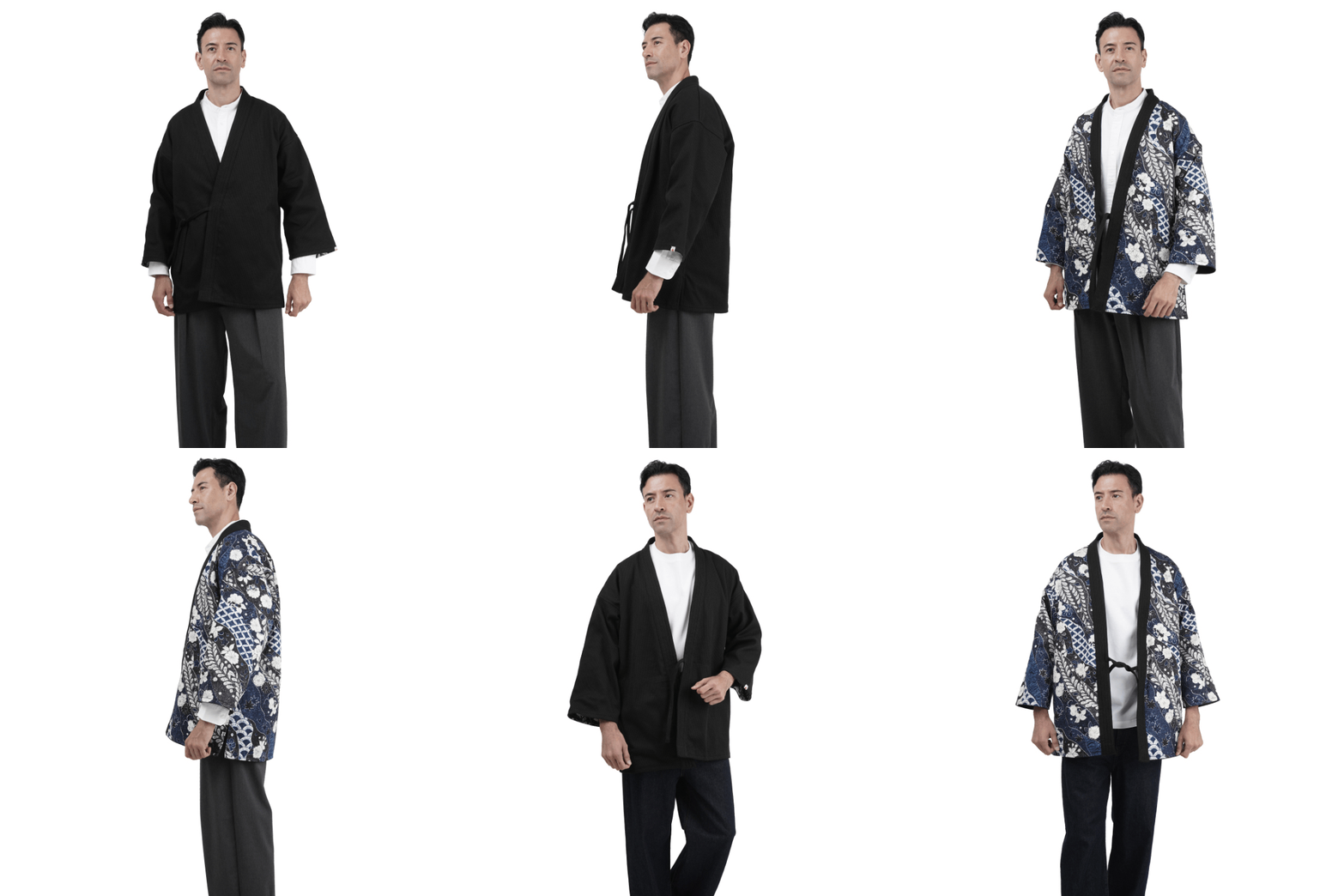
Sashiko Reversible Jackets
This piece is a collaboration between Kyusakura, a martial arts brand founded in 1918, and Kyoto-based Pagong, known for traditional Yuzen craftsmanship.
Sashiko, once used in Edo-period firefighters’ uniforms, is valued for its durability and unique texture that softens over time. Today, it remains essential in judo and kendo wear.
With over a century of history—including supplying uniforms for the 1964 Tokyo Olympics—Kyusakura continues to preserve this craft.
This reversible design blends tradition with modern versatility.
New Release
New Pattern - Fan of Kyoto’s Summer Serenity
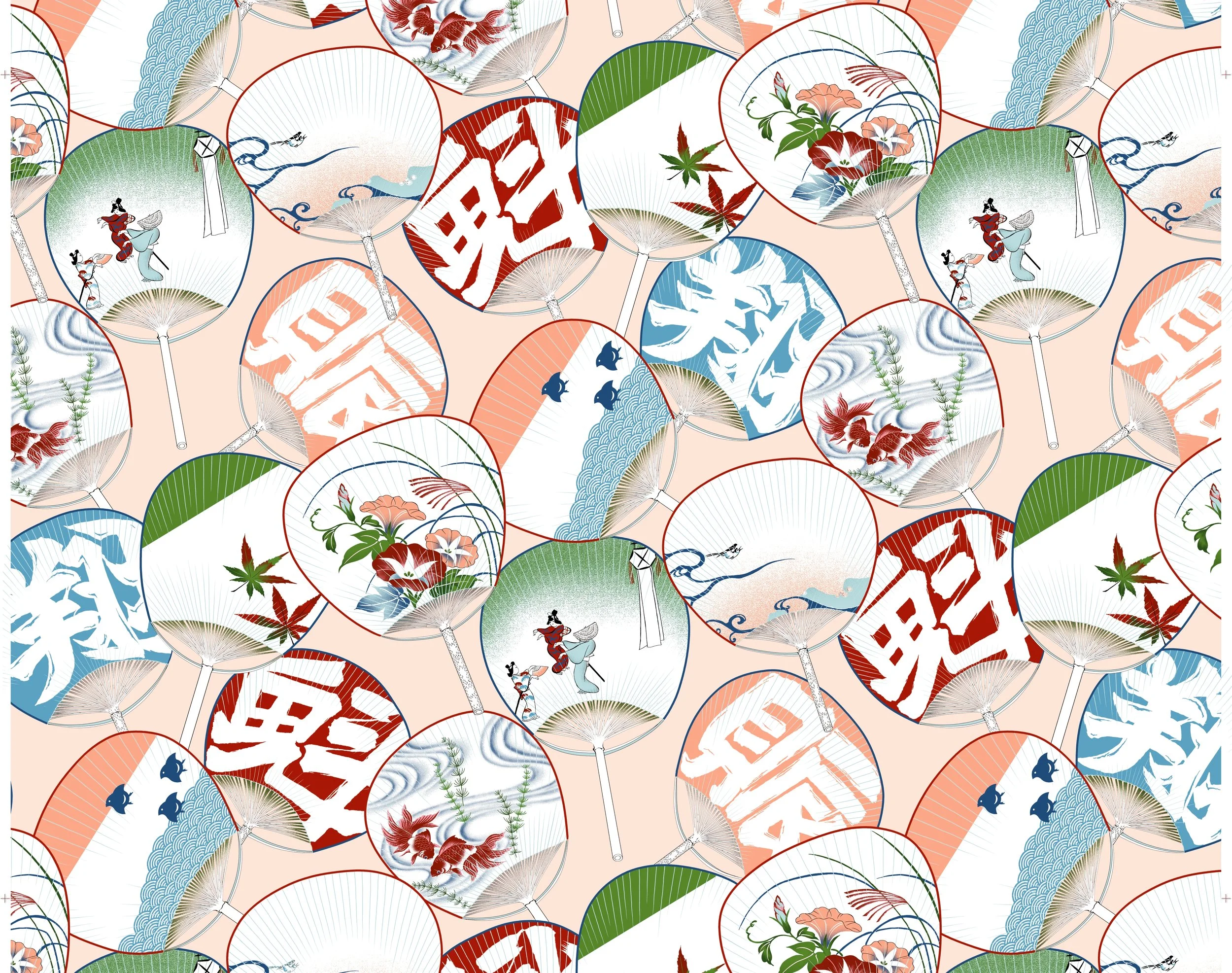
Inspired by Kyoto-style uchiwa fans, long cherished in daily life as symbols of comfort and coolness, this design expresses Kyoto’s distinctive elegance and the longing for purity and serenity amid the summer heat.
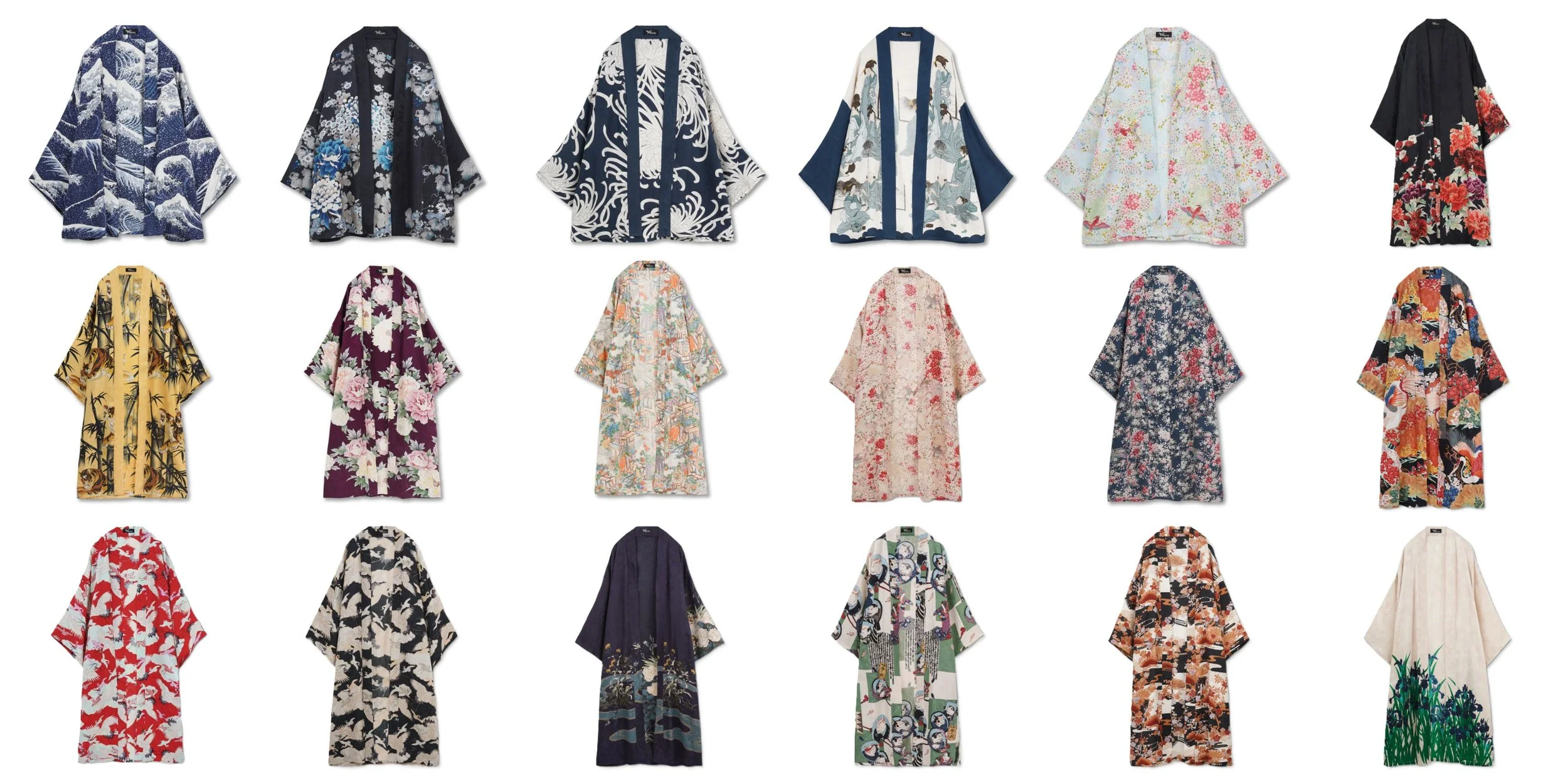
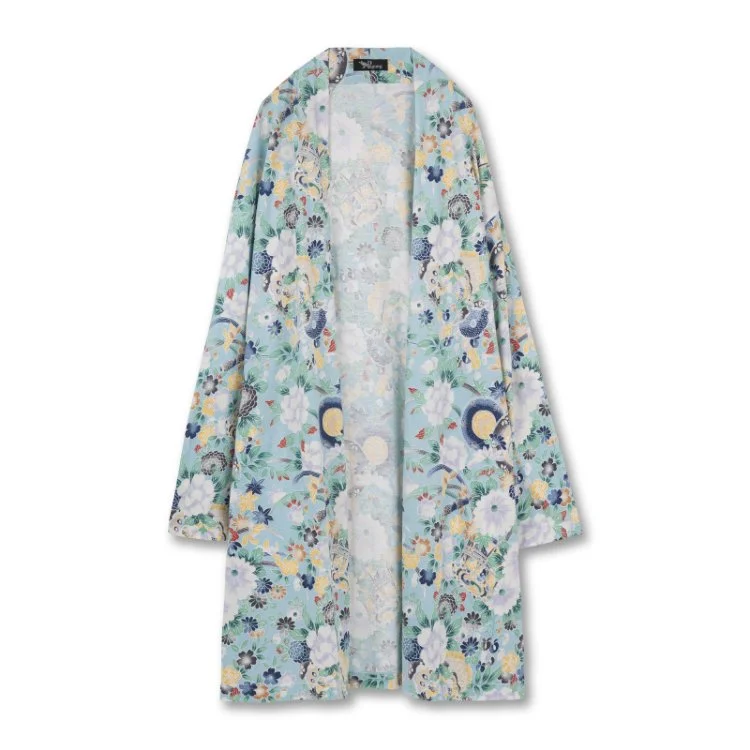
Silk Haori
Rooted in Kyoto’s rich heritage, our Unisex Silk Haori is a timeless expression of craftsmanship and style. Handcrafted and hand-dyed using traditional Yuzen techniques, each piece carries its own character. The smooth silk texture and relaxed silhouette create a refined look that can be worn freely by anyone, beyond boundaries of gender or season.
Care Instruction
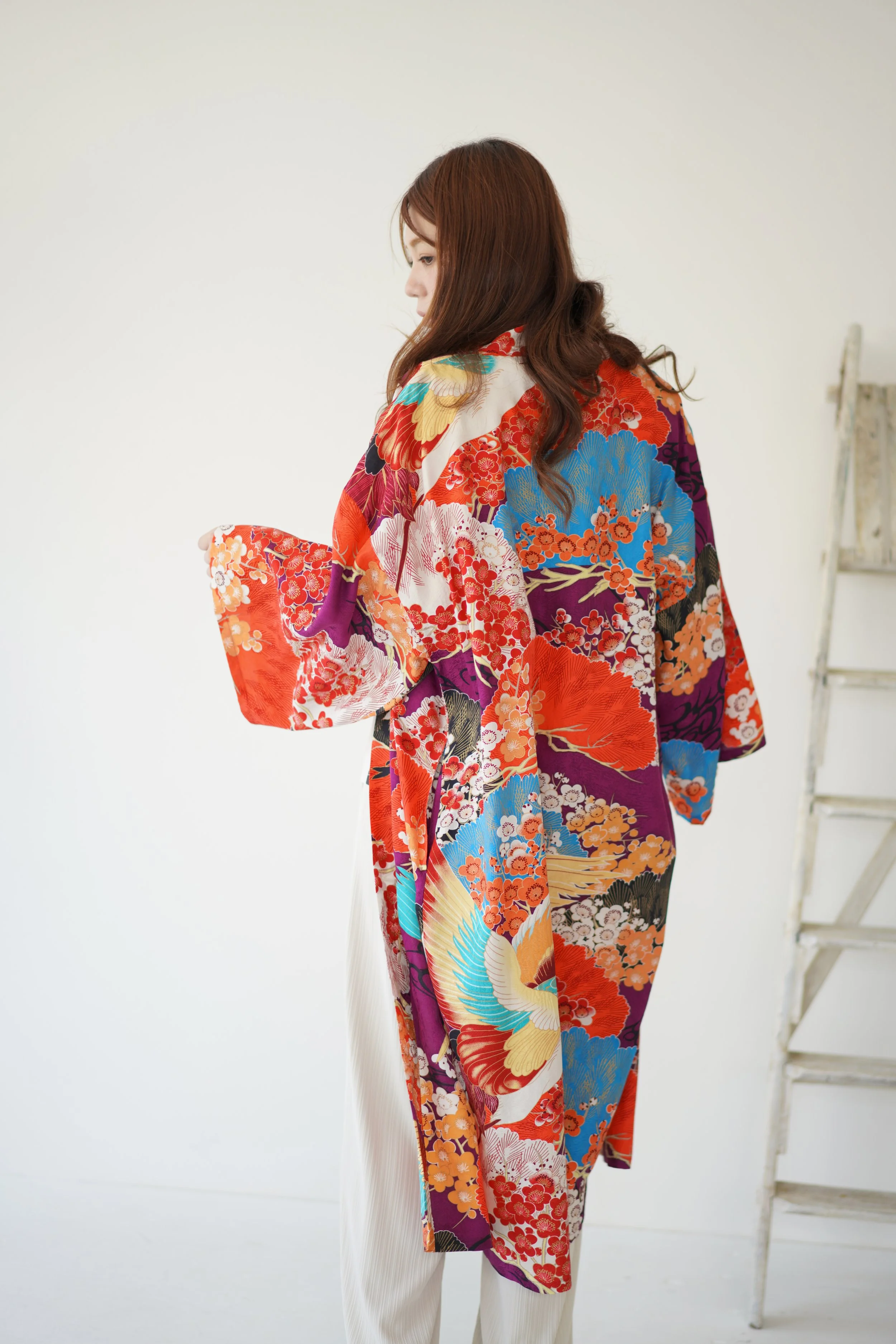
Japanese name/ 鷹に几帳 ( Taka ni Kichou )
-About-
A Symbol of Strength and Aspiration
The hawk is a classic motif traditionally used for boys’ garments, and even today it is commonly seen in kimono worn for special occasions such as children’s celebrations.
Known for its sharp vision and powerful presence, the hawk can spot its prey from great distances and strike with remarkable speed. Its keen eyes, strong beak, and sharp talons embody courage, precision, and strength. For these reasons, it has long been admired by warriors and leaders.
The hawk began to appear as a kimono motif in the late Edo period, often combined with other auspicious elements.
In this design, the hawk is paired with kichō—a traditional interior furnishing used as a partition or screen. This elegant element adds a refined, classical atmosphere, and the combination of hawk and kichō has been a well-established motif in Japanese design.
Beyond its bold appearance, the hawk carries deeper symbolic meanings. It represents the ability to see clearly and discern what truly matters, as well as the strength to seize opportunities without letting them slip away.
Falconry itself was historically associated with authority and power, further reinforcing the hawk’s image as a symbol of success and ambition.
As a motif, the hawk expresses wishes for growth, achievement, and a bright future—carrying the hope that the wearer will rise with strength and confidence, reaching great heights in life.
・Model Height 5.7 feet (175cm) Size-M
・100% Cotton (Rib)96% Cotton 4% Polyurethane
・Made in Japan
・Dye Technique-Kyo-Yuzen
・Hand-wash
・Currency : US Dollar (USD)